1 / 5
 MGW Glass
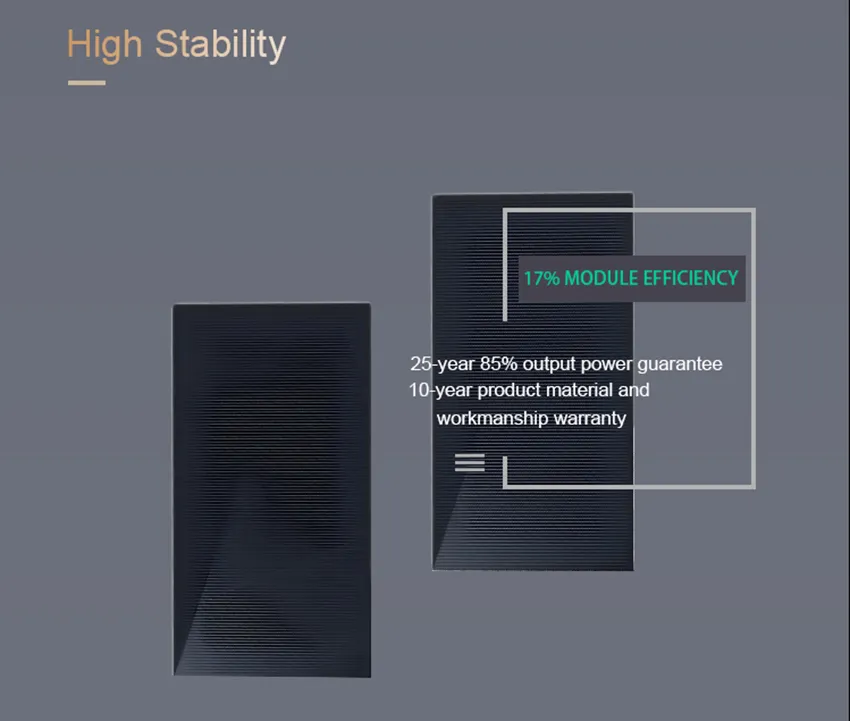
| Specifications | Parameter Range | Applicable Scenarios | Thickness / Transmittance | Power Output |
|---|---|---|---|---|
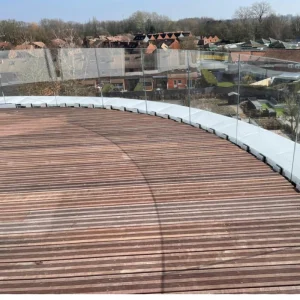
| Home | 1200×600mm / 1600×800mm / 1200×1600mm | Home Roofs / Balcony Railings | 10-12mm / 10%-60% | 100W-300W/unit |
| Commercial | 2400×1200mm / 3000×1500mm / 2300×1215mm | Factory Walls / Power Plants | 22mm / 10%-60% | 500W-1000W/unit |
| Custom | 1000-4000mm available | Curtain Walls / Landscape | 6-20mm / 10%-60% | By Size |
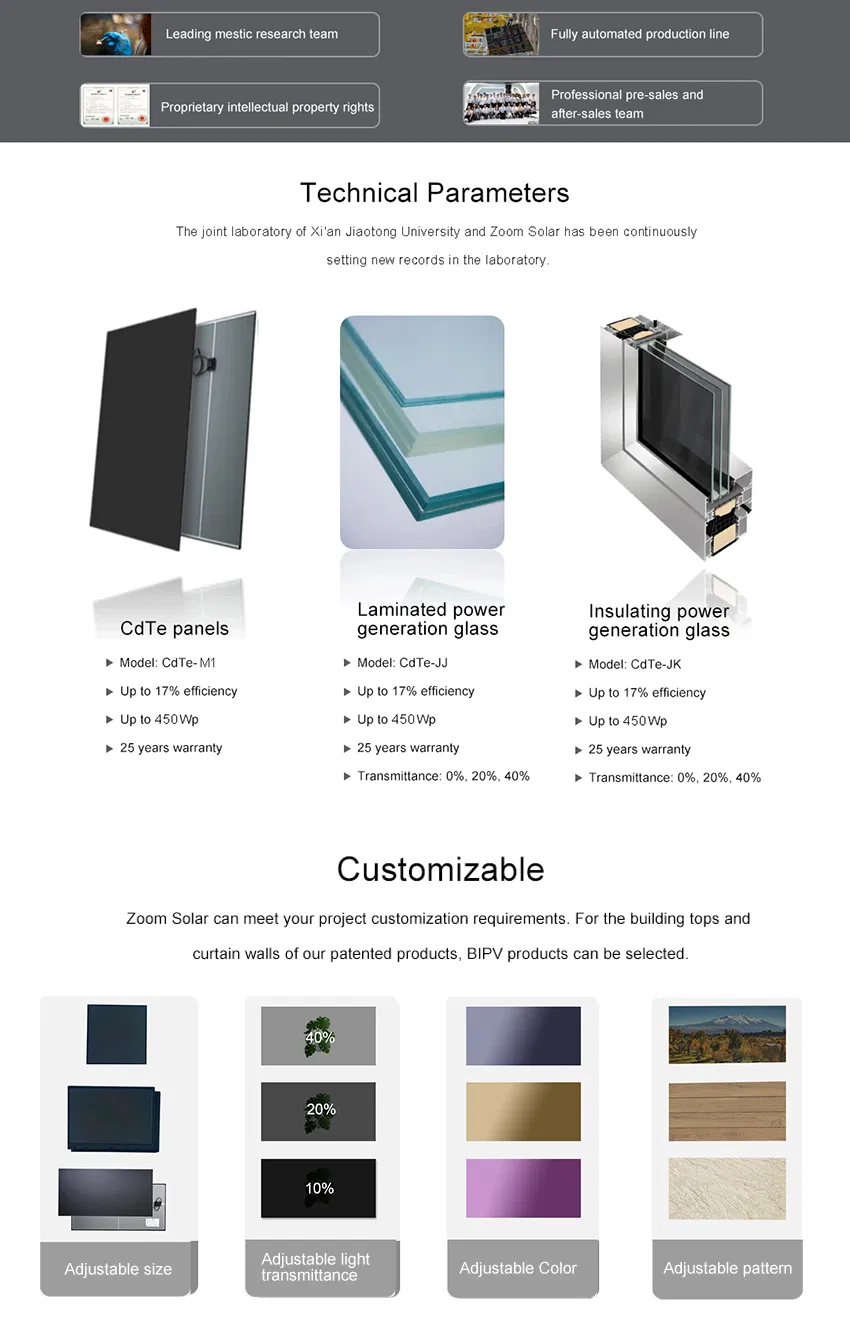
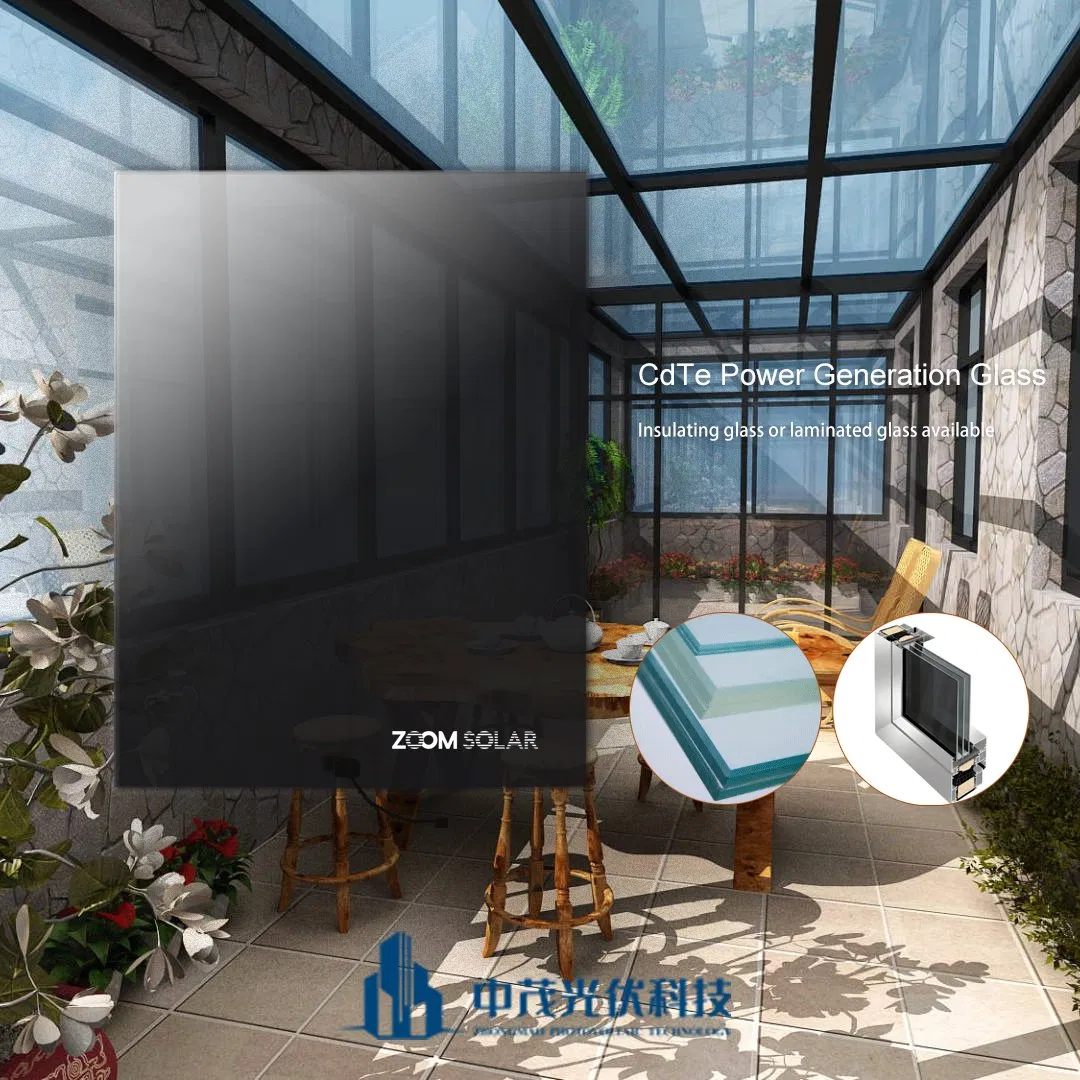
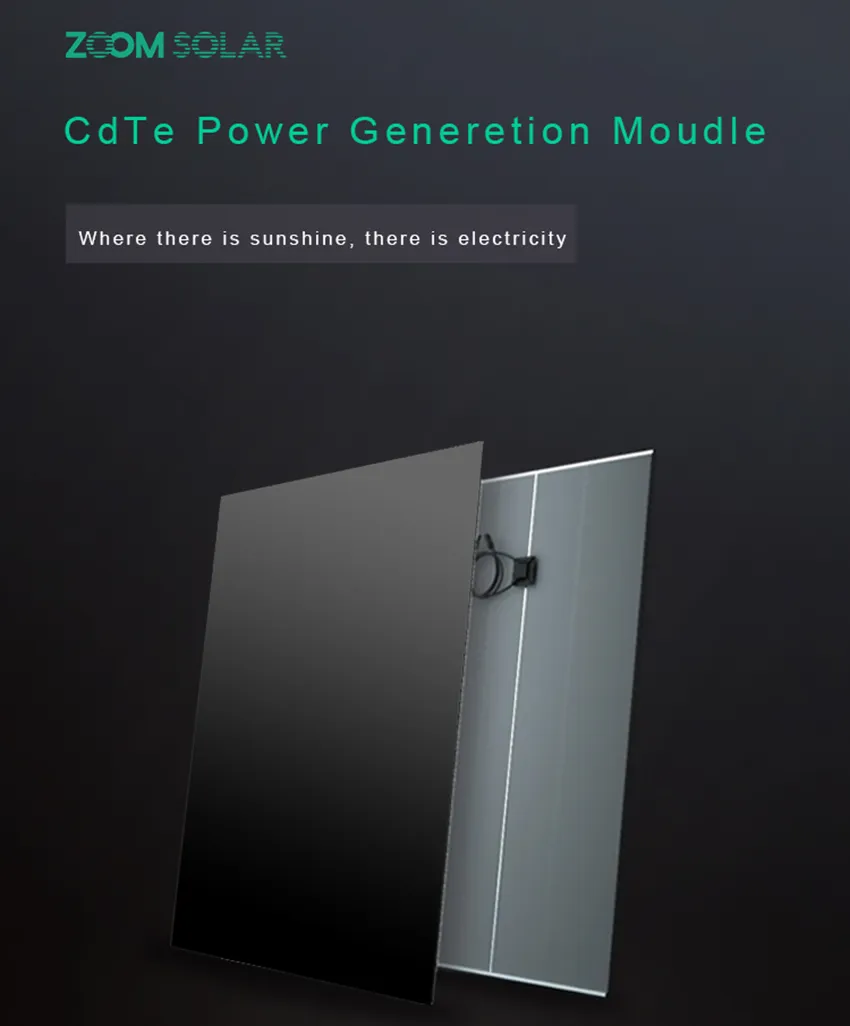
Product Structure: The structure of cadmium telluride (CdTe) thin-film solar cells consists of five layers: glass substrate, transparent conductive oxide layer (TCO), cadmium sulfide (CdS) window layer, cadmium telluride (CdTe) absorption layer, back contact layer, and back electrode.
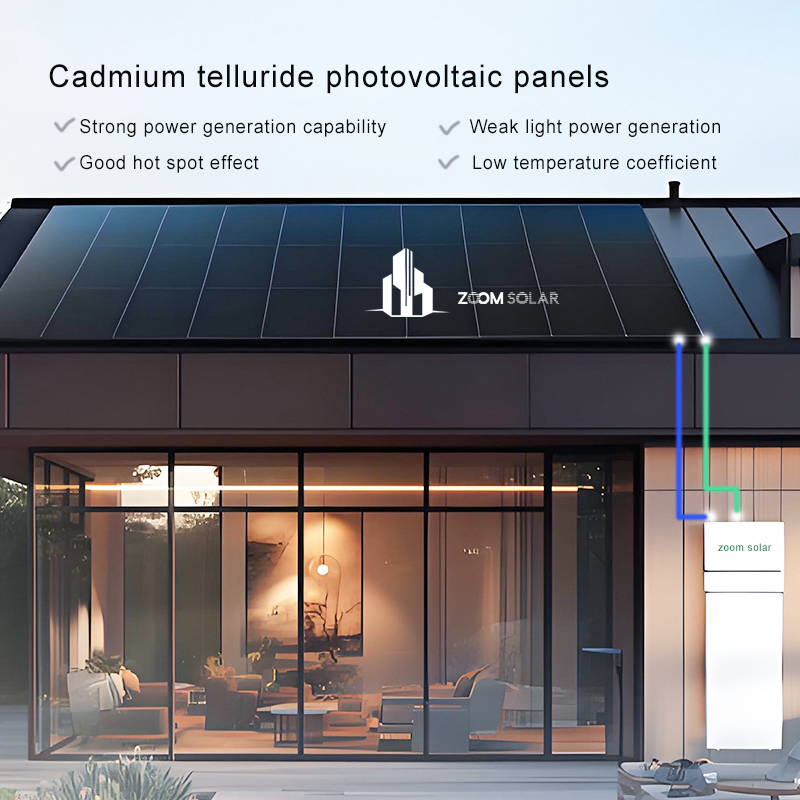
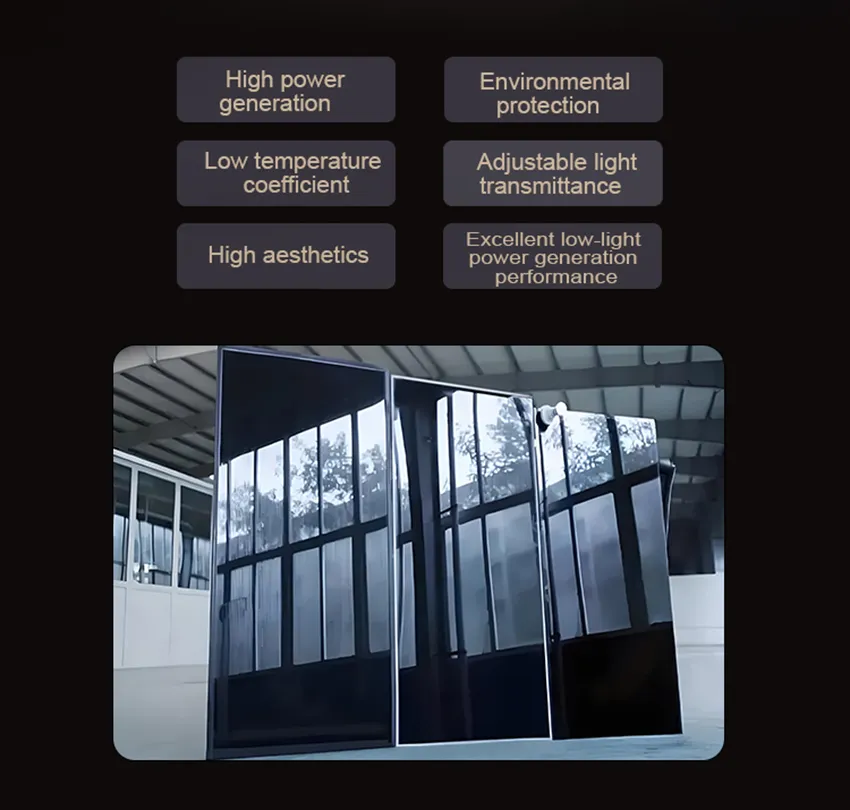
CdTe is a direct bandgap material with excellent absorption. Performance in early morning, evening, or hazy conditions is significantly better than crystalline silicon cells.
Stable performance at high temperatures. The temperature coefficient is approximately -0.21~0.25%/ºC, about half that of crystalline silicon cells.
Compatible with the solar spectrum, absorbing over 90% of visible light with a 1μm thickness. Potential theoretical efficiency reaches 28-29%.
Does not suffer from light-induced degradation. Output remains stable in humid climates as it does not cover the absorption peak of water vapor.
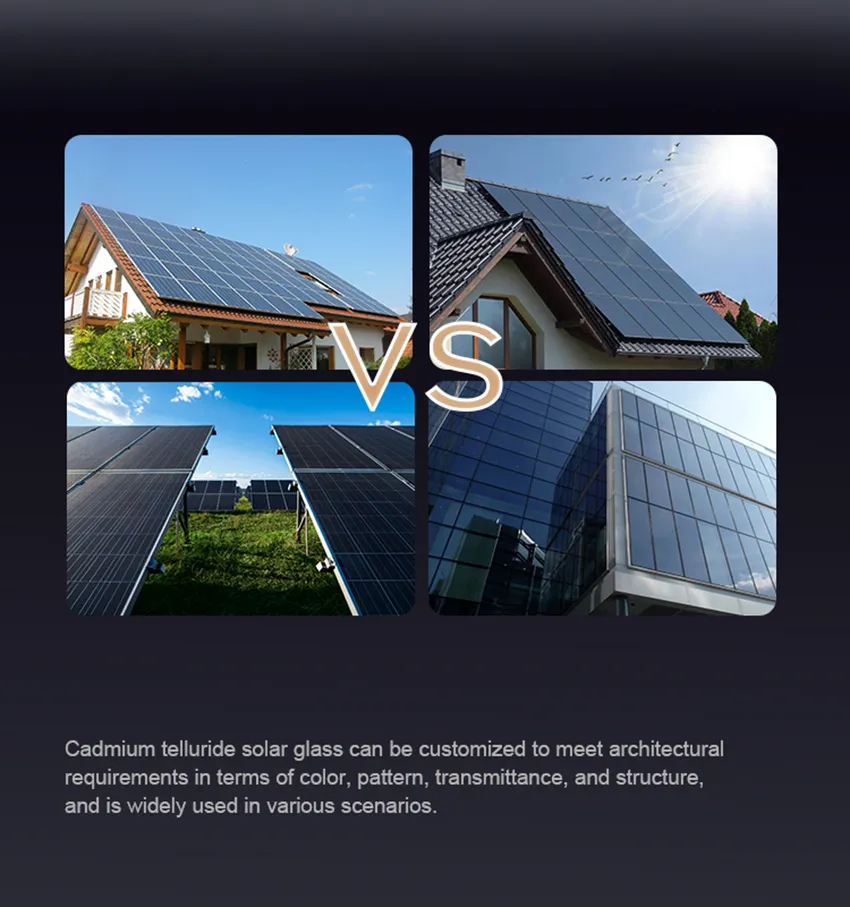
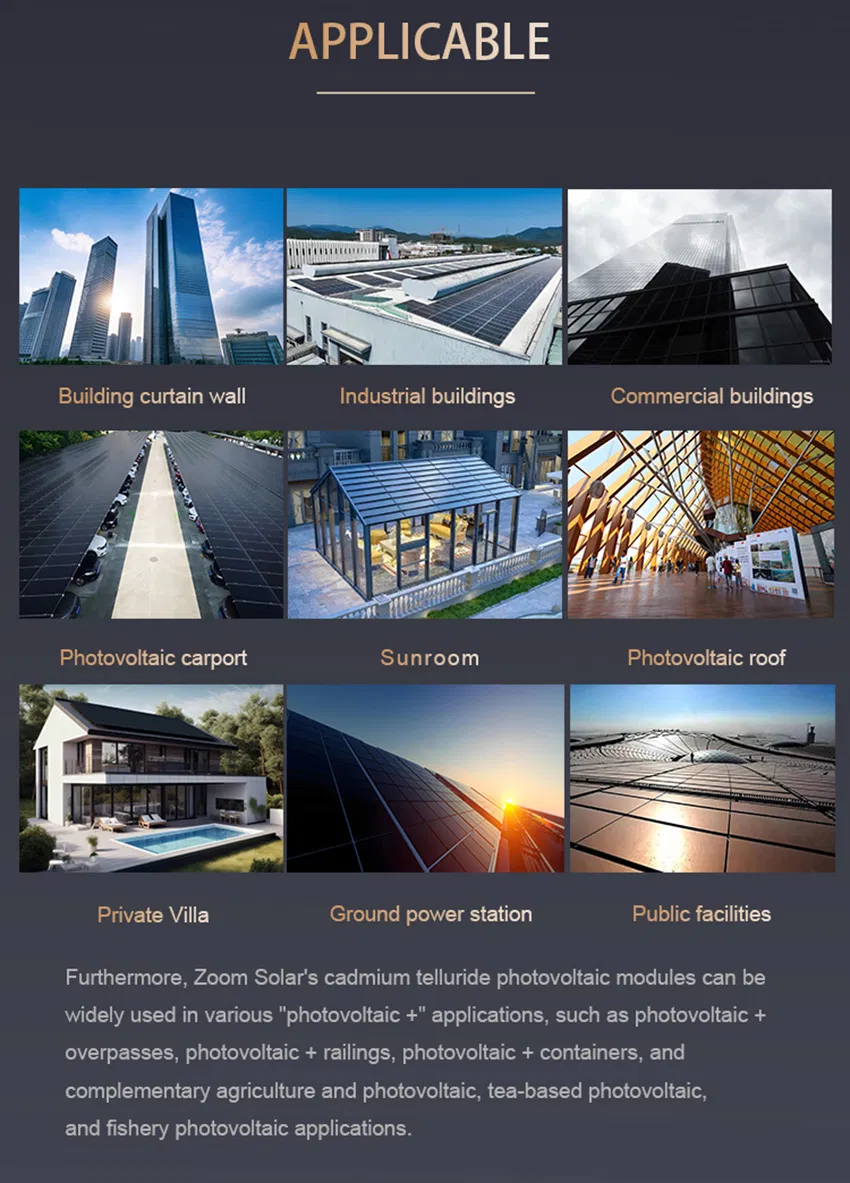
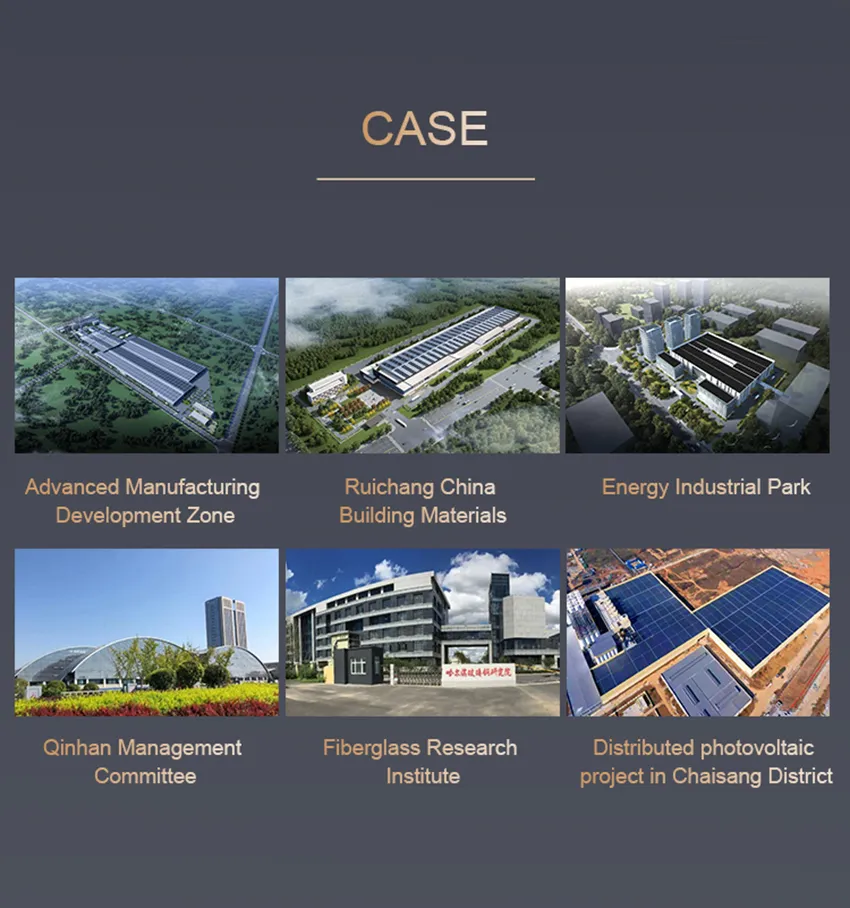
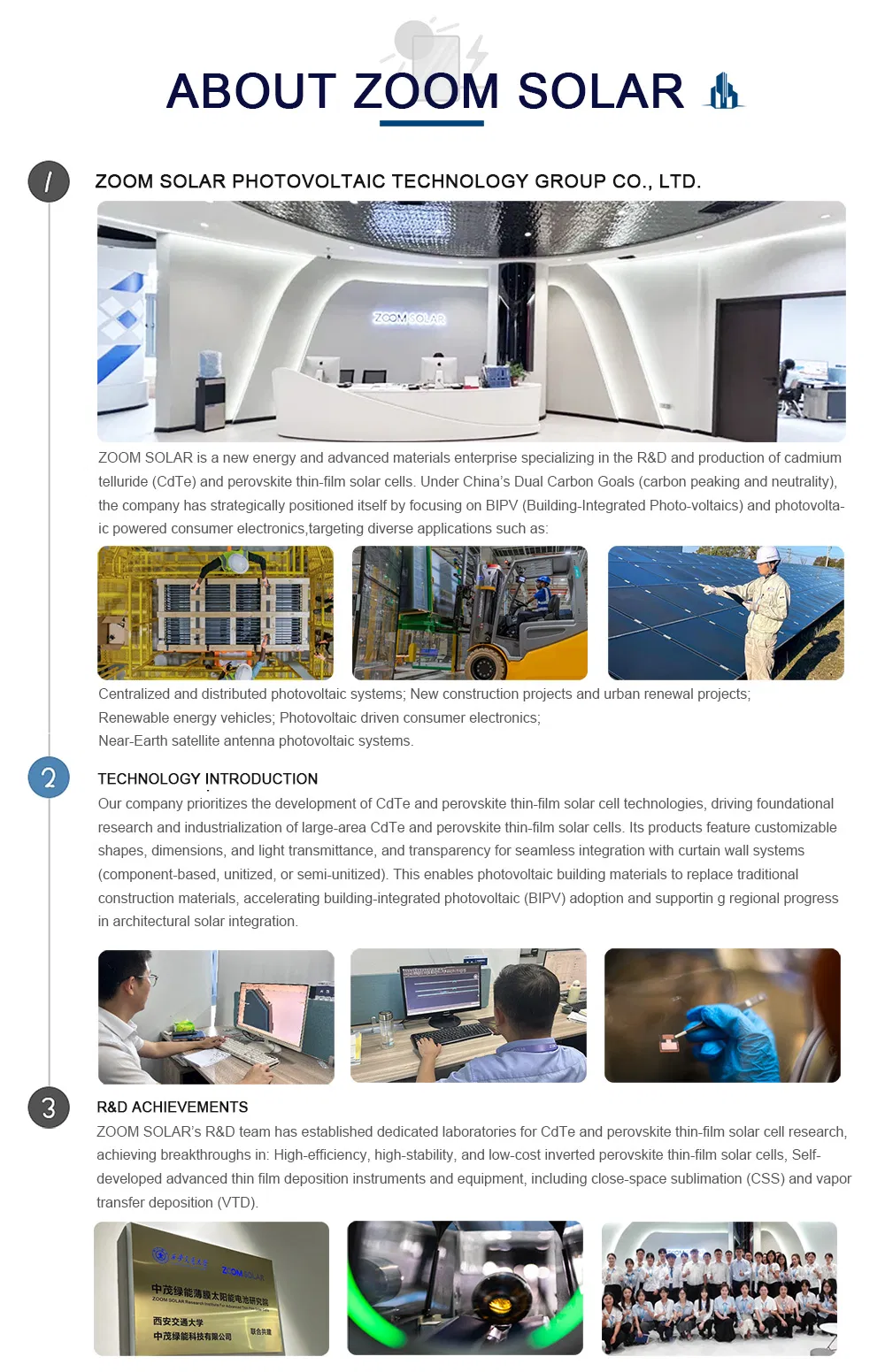
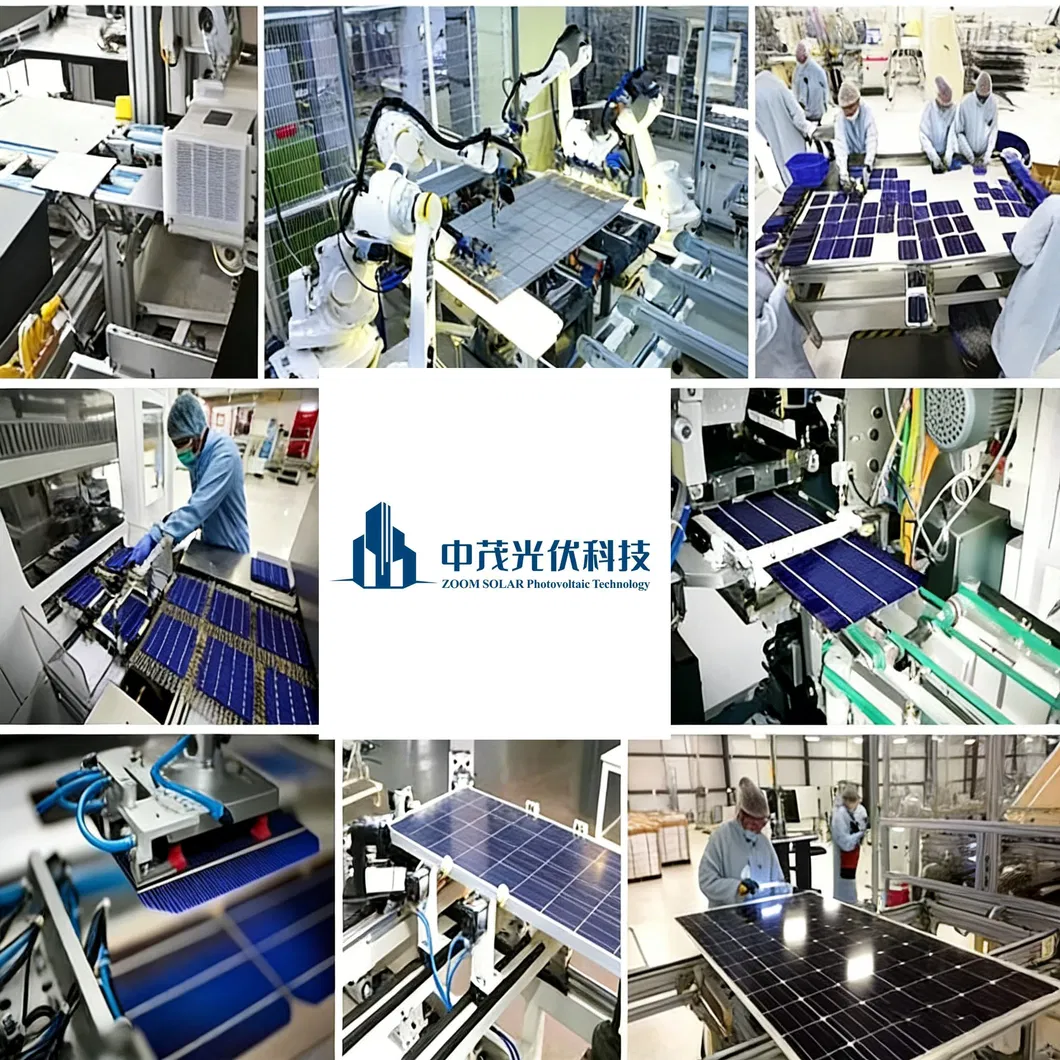
This is a new energy and advanced materials enterprise specializing in the R&D and production of cadmium telluride (CdTe) and perovskite thin-film solar cells. Focusing on BIPV (Building-Integrated Photovoltaics) and photovoltaic-powered consumer electronics, the enterprise targets diverse applications including: