MGW Glass MGW Glass
Global Glazing Whitepaper & Portfolio

Top China Crystal Glass Supplier & Exporters

Pioneering structural glass performance, safety interlayers, and high-vacuum thermal insulation for sustainable smart architecture globally.

Modern Crystal Glass: Redefining Global Building Envelope Solutions

The global structural glass sector is undergoing a profound technological shift. Standard monolithic panels are no longer sufficient to meet modern energy ratings, mechanical safety metrics, and visual clarity demands. As a leading China crystal glass supplier and exporter, Shandong MGW Glass Technology Co., Ltd. sits at the intersection of material science and high-volume industrial processing.

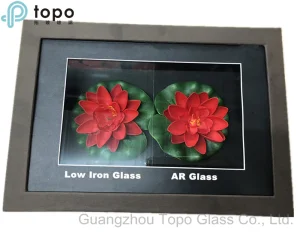
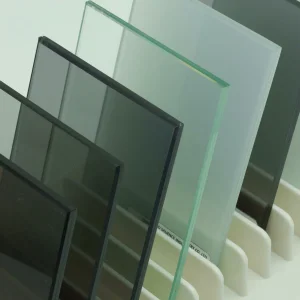
By leveraging advanced low-iron batch compositions, we achieve transparency thresholds exceeding 91.5% in light transmittance, mitigating the traditional green edge distortion typical of standard silicate mixtures. This level of purity forms the baseline of our deep-processed architectural glass portfolio.

“The modern glass facade is no longer just a partition; it is an active mechanical filter, thermal barrier, and architectural expression designed to endure structural loads for generations.”
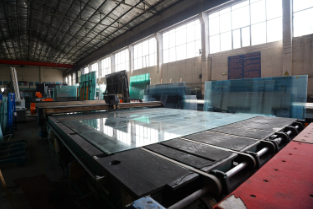
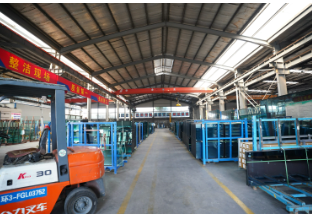
MGW Glass Production Plant

High-Precision Structural Engineering Capabilities

Our production capabilities bridge the gap between architectural vision and physics-based real-world implementation.

  • Tempered & Toughened Safety Glass Manufactured through high-convection heating cycles (up to 620°C) followed by rapid quenching. This establishes uniform surface compression stress levels above 90 MPa (meeting ASTM C1048), reducing the risk of spontaneous thermal fracture.
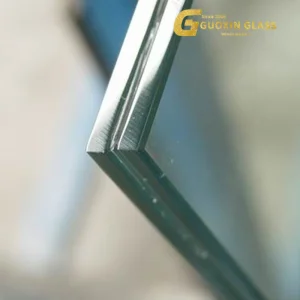
  • Laminated Safety Glazing (PVB / SGP) Multi-layer bonding configurations utilizing high-adhesion polyvinyl butyral (PVB) or structural SentryGlas Plus (SGP) interlayers. Ideal for overhead glazing, hurricane zones, and high-security structural partitions.
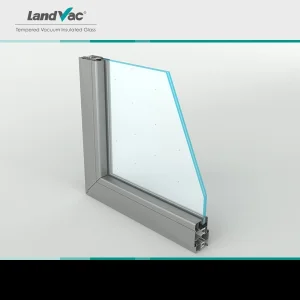
  • Vacuum Insulated Glass (VIG - LandVac Technology) Integrating hermetically sealed low-temperature glass solders with a high-vacuum chamber (under 10⁻⁴ Pa) between glass panes. This yields an ultra-thin envelope profile that delivers a center-of-glass U-value comparable to thick masonry insulation.
  • Low-E & Solar Control Performance Magnetron sputtered vacuum deposition (MSVD) coatings designed to selectively filter infrared radiation while letting visual light pass, achieving low shading coefficients without sacrificing natural light.
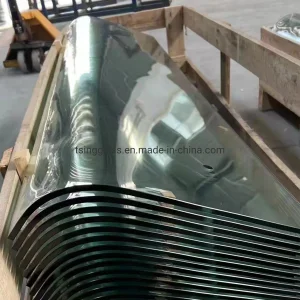
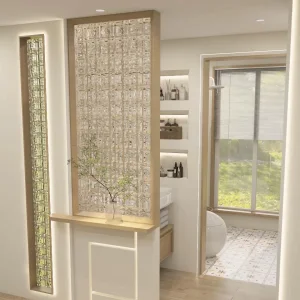
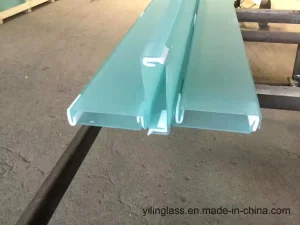
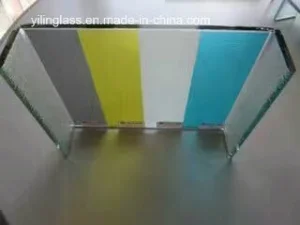
  • Toughened U-Channel Facade Systems Engineered self-supporting U-shaped profile designs. Excellent for structural spans up to 6 meters without bulky vertical mullions, creating seamless, light-diffusing glass envelopes.
  • Anti-Reflective (AR) Coated Interfaces Advanced multi-layer metal oxide coatings engineered for luxury vitrines, electronic interfaces, and solar collectors, minimizing reflection losses to under 1%.

Shandong MGW Glass: Performance in Numbers

Three decades of manufacturing excellence, scale, and global structural compliance.
32+
Years Industrial Heritage
200+
Domestic Landmark Projects
50+
Export Destinations
100%
CE / SGCC Compliant
Advanced CNC Processing Line

Precision Processing Machinery & Stringent Tolerance Control

Our manufacturing facility utilizes high-end industrial systems, including CNC precision grinding centers, water-jet cutting stations, and automated tempering lines. This machinery ensures dimensional tolerance control down to ±0.5 mm, minimizing edge defects that can lead to micro-fractures during transport or post-installation stress events.

Every production batch undergoes strict quality control protocols, including surface stress profiling, polariscope inspection for stress balance, and heat-soak tests (EN 14179-1) to reduce nickel sulfide (NiS) inclusions and prevent spontaneous tempered glass failure.

Our complete raw-to-shipment inspection system ensures full compliance with CE (Europe), SGCC (North America), and ISO 9001 quality systems.

High-Performance Glazing Across Industries

From clean structural facades to specialized industrial and automotive environments, our products perform under demanding conditions.

Commercial Facades & Balustrades

Our structural glass profiles and heavy-duty base channel assemblies are engineered to withstand high wind loads and guardrail impact tests, providing clear views for modern high-rises.

Solar Thermal & Photovoltaics

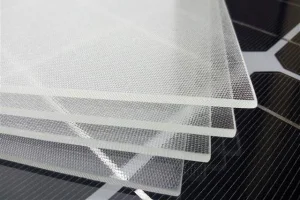
Using high-transmittance low-iron solar glass treated with porous silicon dioxide anti-reflective coatings, we help maximize light transmission and improve solar energy conversion.

Automotive & Public Transit

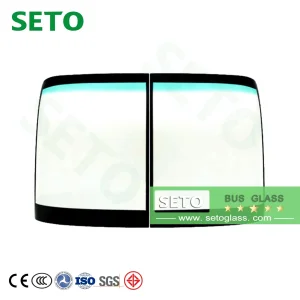
Our high-durability laminated windshield assemblies are engineered to absorb mechanical impacts and feature acoustic interlayers to reduce cabin noise in commercial transport.

Next-Gen Material Innovations & Smart Integration

Our research initiatives focus on bringing advanced glass technologies from the lab to large-scale production.

Ultra-Low U-Value Tempered VIG

Improving structural spacers within vacuum insulated chambers to reach U-values under 0.4 W/m²K, aiming to match the energy performance of insulated walls.

Active Switchable Smart Film Layers

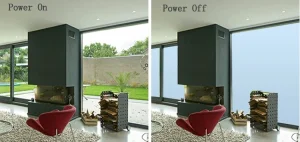
Refining liquid crystal and electrochromic film integration to allow real-time control over heat and light transmission at the touch of a button.

High-Strength Polymer Interlayers

Developing next-generation structural interlayers to improve glass post-breakage load performance, ensuring panels remain safely in place even after failure.

Frequently Asked Technical Questions

Key engineering insights for structural designers, contractors, and procurement departments.

What is the typical U-value difference between standard double glazing and VIG? +
Standard double glazing typically achieves a U-value of around 2.7 to 2.8 W/m²K (which can improve to roughly 1.4 W/m²K with Low-E coatings and argon gas). In contrast, Vacuum Insulated Glass (VIG) can achieve center-of-glass U-values as low as 0.5 to 0.6 W/m²K, which matches the insulation performance of typical solid walls in a fraction of the thickness.
Why is low-iron glass preferred over standard clear float glass for architectural projects? +
Low-iron glass is manufactured with lower iron oxide levels (typically below 0.01%), which minimizes the green hue found in standard float glass. This improves light transmission (often to 91%+) and ensures natural, true-to-life color rendering, which is essential for retail displays, high-end facades, and structural glass fins.
How does PVB compare to SGP interlayers in structural safety glass configurations? +
Acoustic and standard PVB interlayers work well for impact resistance and safety glazing. However, SGP (SentryGlas Plus) is about 5 times stronger and up to 100 times stiffer than PVB. SGP is preferred for structural glass railings, hurricane-resistant applications, and skylights because it maintains its structural integrity and post-breakage load-bearing capacity even if the glass layers fracture.
What steps are taken to prevent spontaneous tempered glass breakage? +
Spontaneous breakage is often caused by nickel sulfide (NiS) inclusions expanding over time under thermal stress. To minimize this risk, we offer an optional Heat Soak Test (HST) according to the EN 14179-1 standard, which deliberately exposes the tempered glass to high temperatures to trigger premature breakage in unstable panels prior to shipping.