Basic Information
Air Cavity
6mm, 9mm, 12mm, 16mm, 19mm
Hardness
Moh's Hardness Other
Energy Transfer
Conduction and Convection
Color
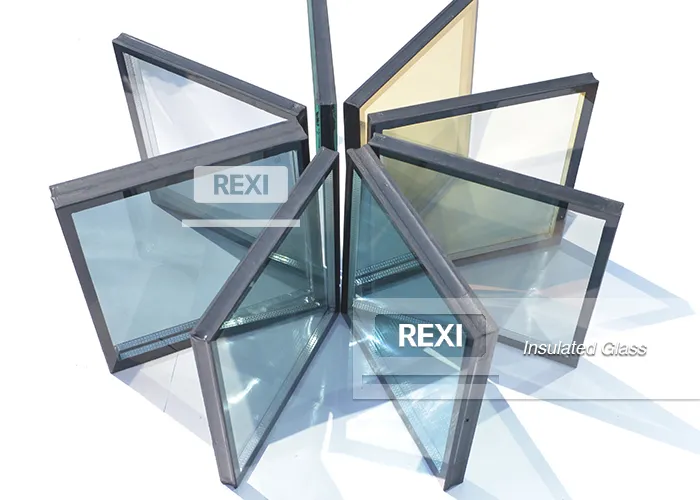
Clear, Blue, Green, Dark brown, etc.
Capacity
2000 Square Meters/Day
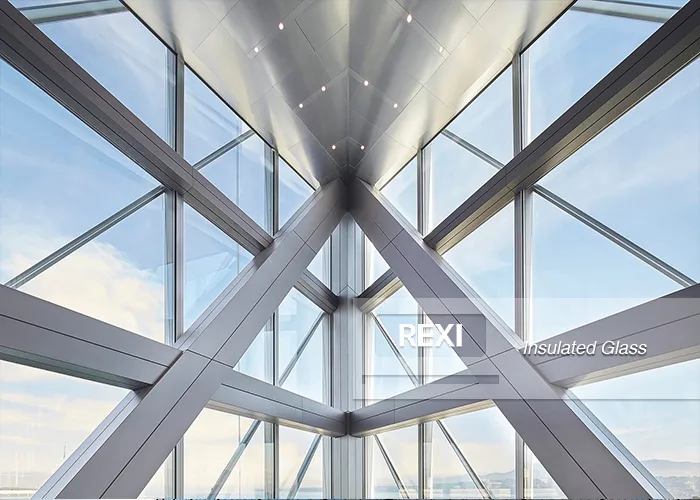
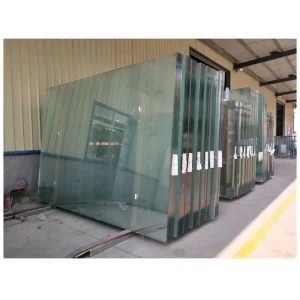
Building Glass Double Glazing Low E Insulated Glass
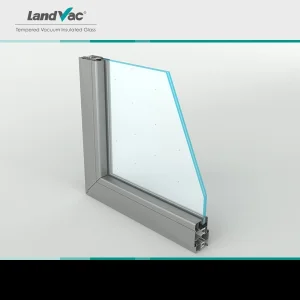
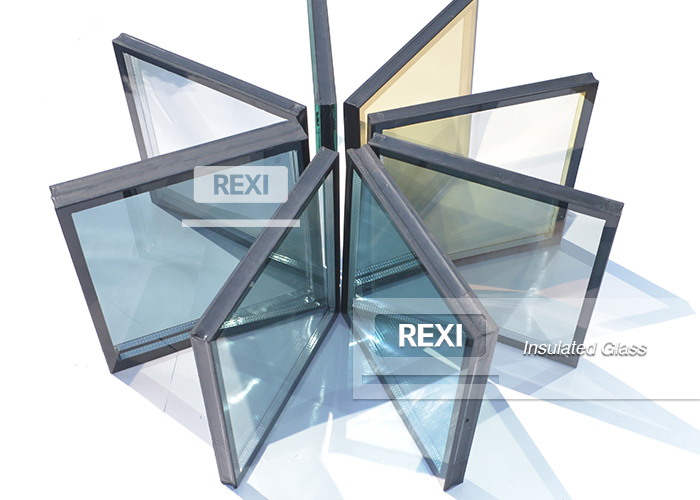
Insulated Glass is made of two or more pieces of glass with effective support and evenly spaced and sealed at the periphery to form a dry gas space between the glass interlayers. The interlayer of the insulated glass is initially dry air, and other gases with a lower thermal conductivity than air are currently used. The minimum thickness of the gas interlayer should not be less than 6mm to ensure thermal insulation.
Key Features
🛡️
(1) Insulation
The thermal insulation properties are mainly due to the gas interlayer, which limits convection. This ensures the temperature difference between sides can exceed 10 °C, greatly reducing energy exchange between indoor and outdoor environments.
🌡️
(2) Heat Preservation
By reducing indoor heat loss in winter through low-emission films (emissivity reduced to 0.1), the glass provides superior insulation. Sunshade films can also be applied to block summer heat, achieving a comfortable indoor climate year-round.
💧
(3) Anti-condensation & Reducing Cold Radiation
Equipped with a desiccant that absorbs water molecules, the internal gas remains dry. This prevents internal condensation even when external temperatures drop, which is a major advantage over standard double glass.
Specifications & Standards
Compliance: GB11944; EN1279-CE; ASTM E2190-IGCC; AS/NZS4666-CSI
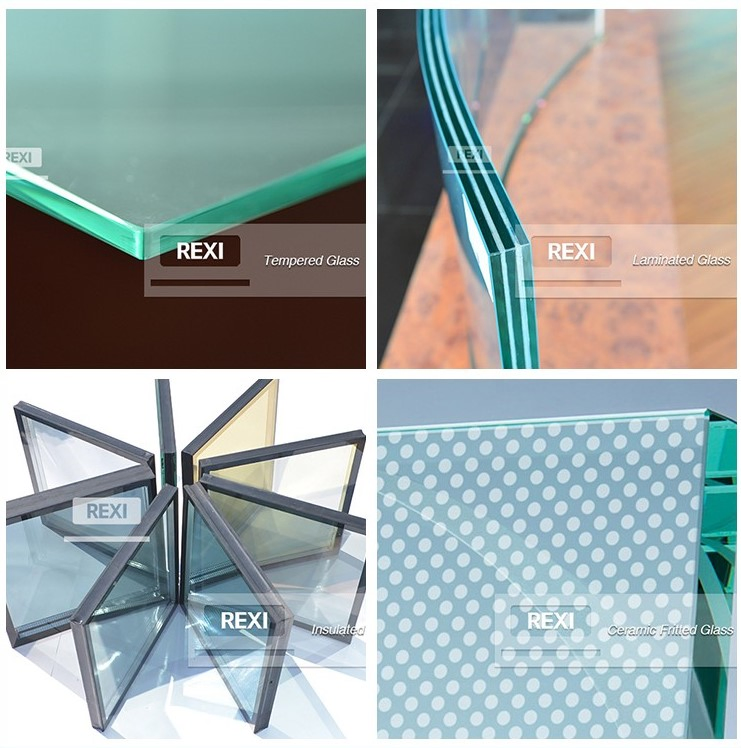
| Glass Option | Clear Glass, Low Iron Glass, Tinted Glass, Ceramic Fritted Glass |
| Low-E Option | Single silver, Double silver, Triple silver |
| Space Thickness | 6mm, 9mm, 12mm, 16mm, 19mm etc. |
| Gas Filling | Dry air, Argon |
| Max. Size | 12,000mm * 3,300mm |
| Min. Size | 300mm * 300mm |
🕒
Delivery Time: In three weeks after order confirmation.
Applications
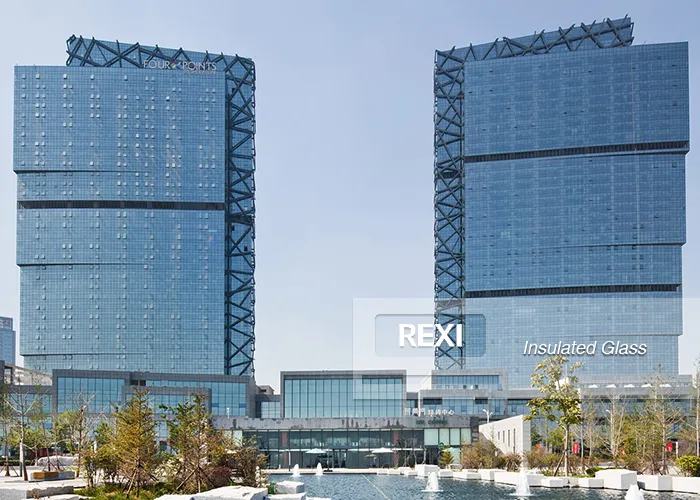
This insulated glass is primarily used for exterior decoration and functional shielding in:
- Residential buildings and Hotels
- Office buildings and Schools
- Hospitals and Retail Shops
- Specialized use: Trains, Ships, and Freezer cabinets
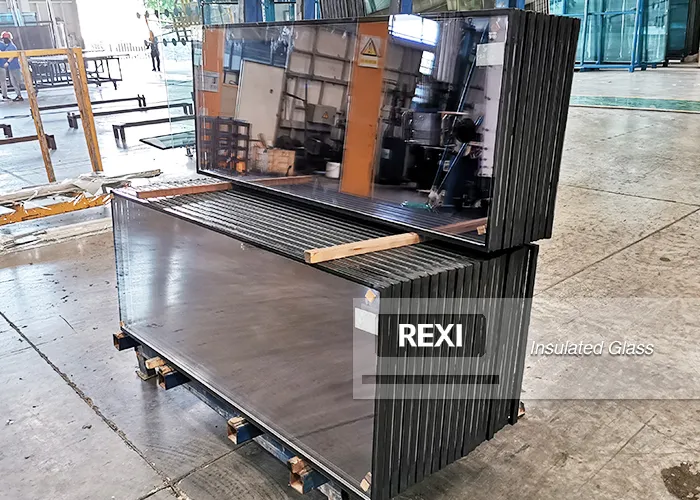
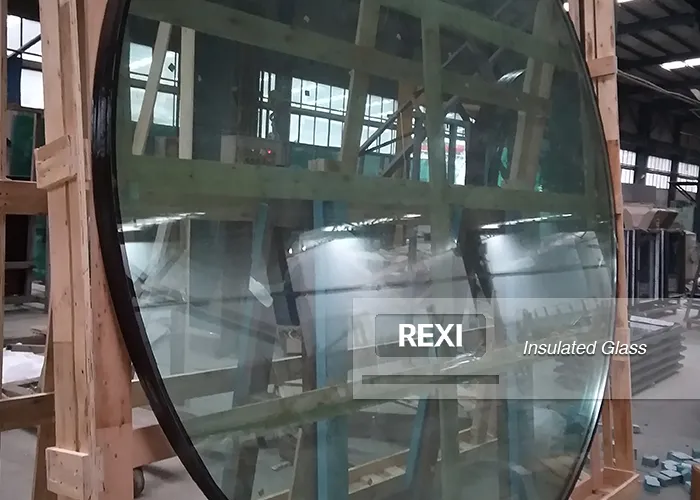
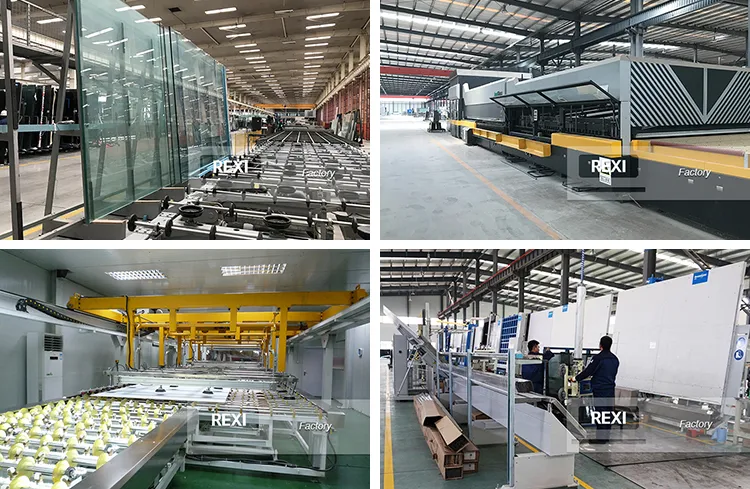
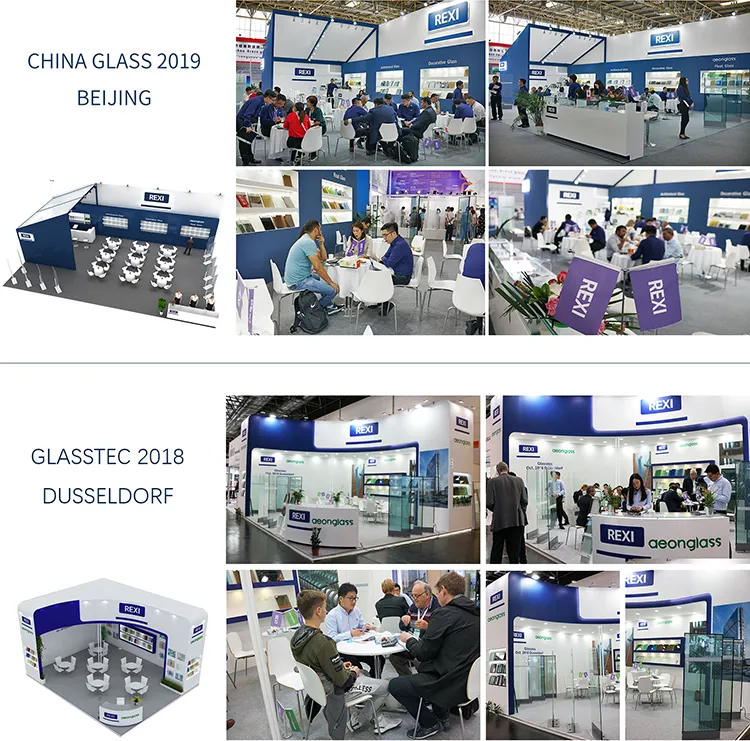
Production & Logistics
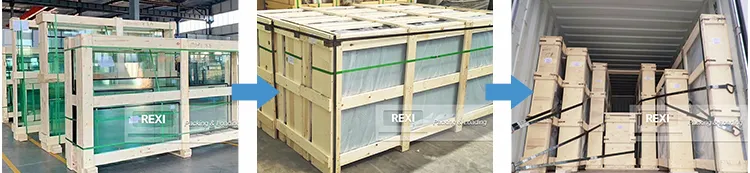
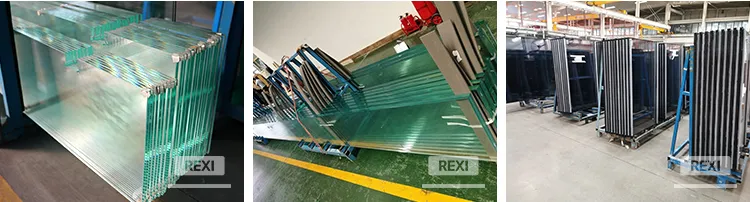
Frequently Asked Questions
What is the standard thickness for the gas interlayer?
The standard gaps are divided into 6mm, 9mm, 12mm, 14mm, 16mm, and 19mm. The thickness should not be less than 6mm to ensure effective thermal insulation.
How does Low-E coating benefit insulated glass?
Low-E (low-emission) film can reduce radiation emissivity to 0.1, significantly preventing heat loss in winter and blocking solar heat in summer for energy saving.
Is Argon gas better than dry air for filling?
Argon has a lower thermal conductivity than air, which further enhances the thermal insulation performance of the insulated glass unit.
What prevents the glass from fogging up internally?
A high-quality desiccant is placed inside the spacer to absorb water molecules, ensuring the gas remains dry and preventing internal condensation.
What are the maximum dimensions available for production?
We can produce insulated glass units up to a maximum size of 12,000mm * 3,300mm for large-scale architectural projects.
What is the warranty period for your glass products?
We offer a 10-year warranty for Insulated Glass, Tempered Glass, and Curtain Wall systems, and a 5-year warranty for Laminated Glass.
 MGW Glass