MGW Glass MGW Glass

Cdte Solar Panel Film Cells Factory BIPV High Conversion PV Glass for North South Facing Roofs

Still deciding? Get samples of $ !
Request Sample

Product Description

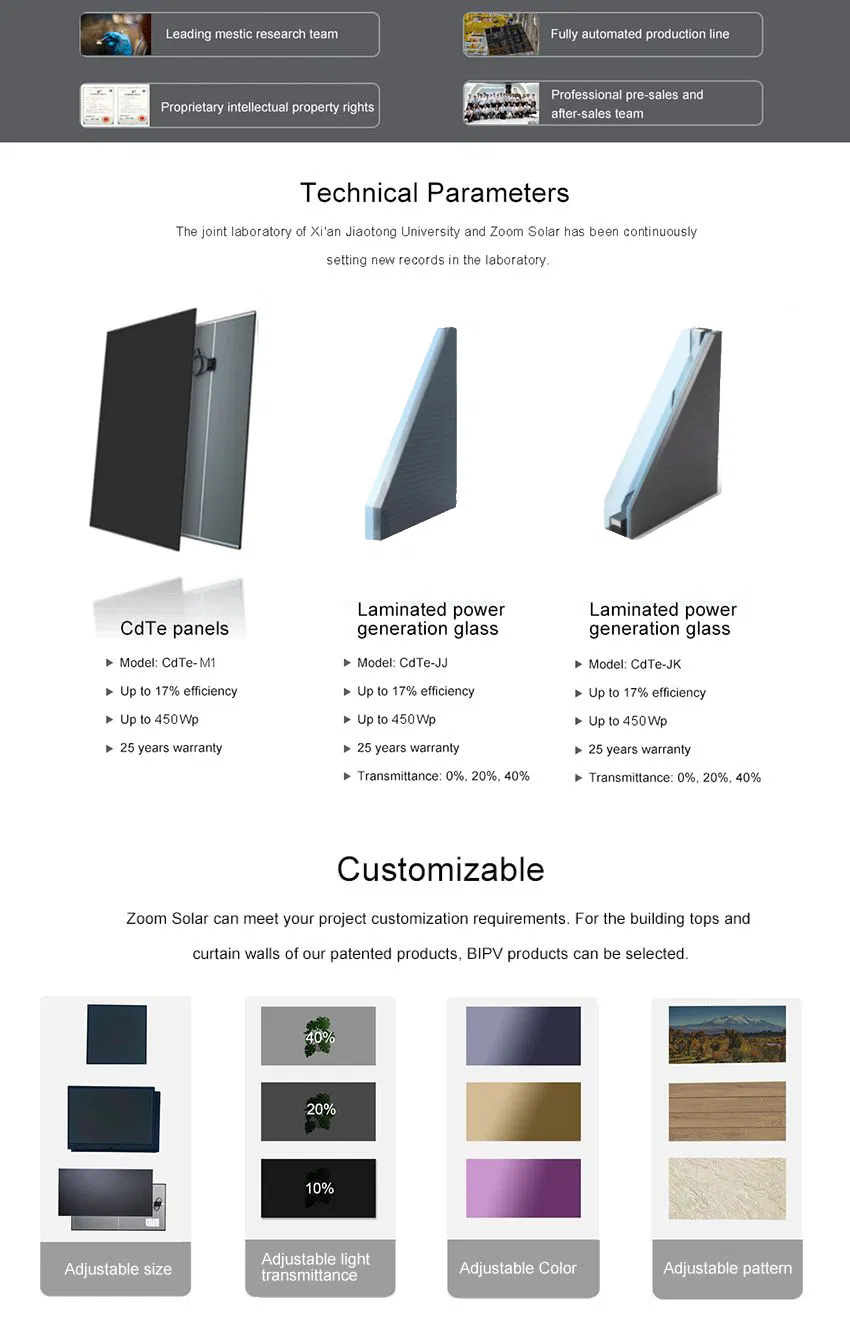
Technical Specifications

Model
Thin-Film CdTe
Application
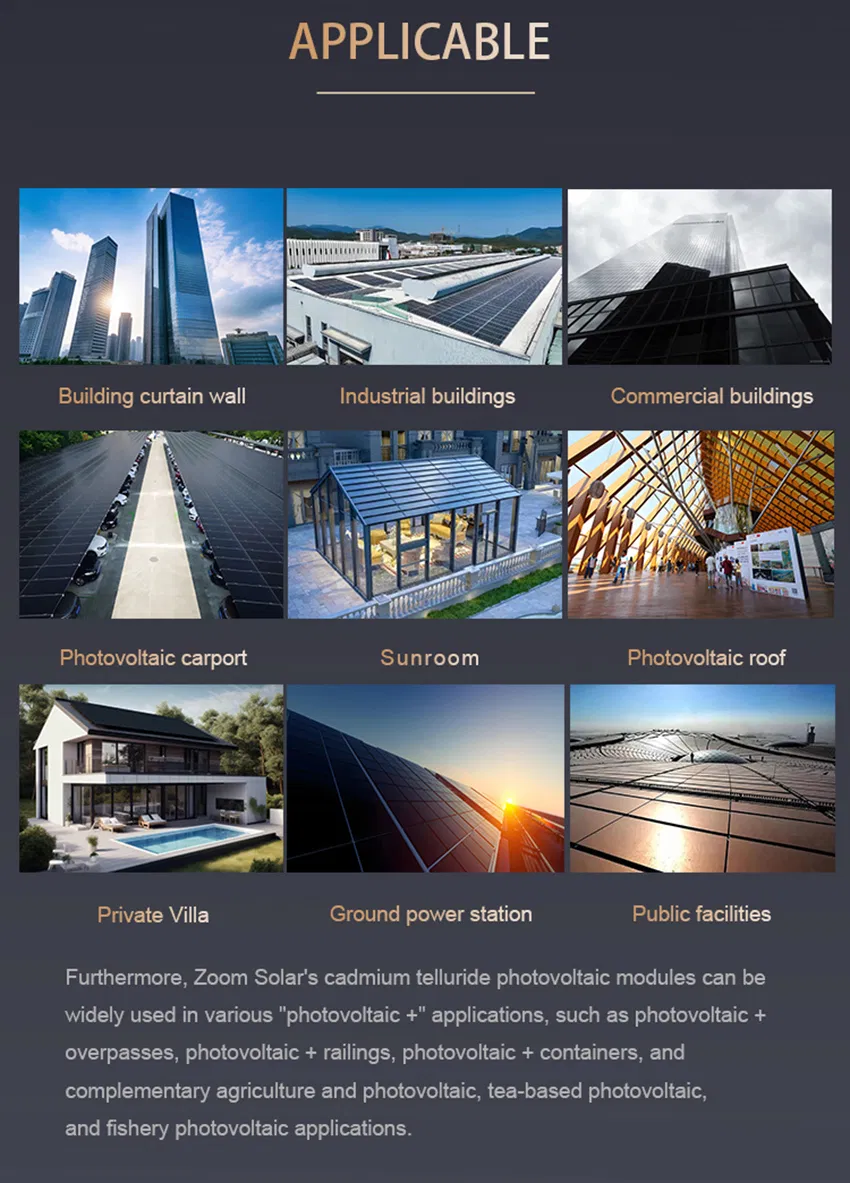
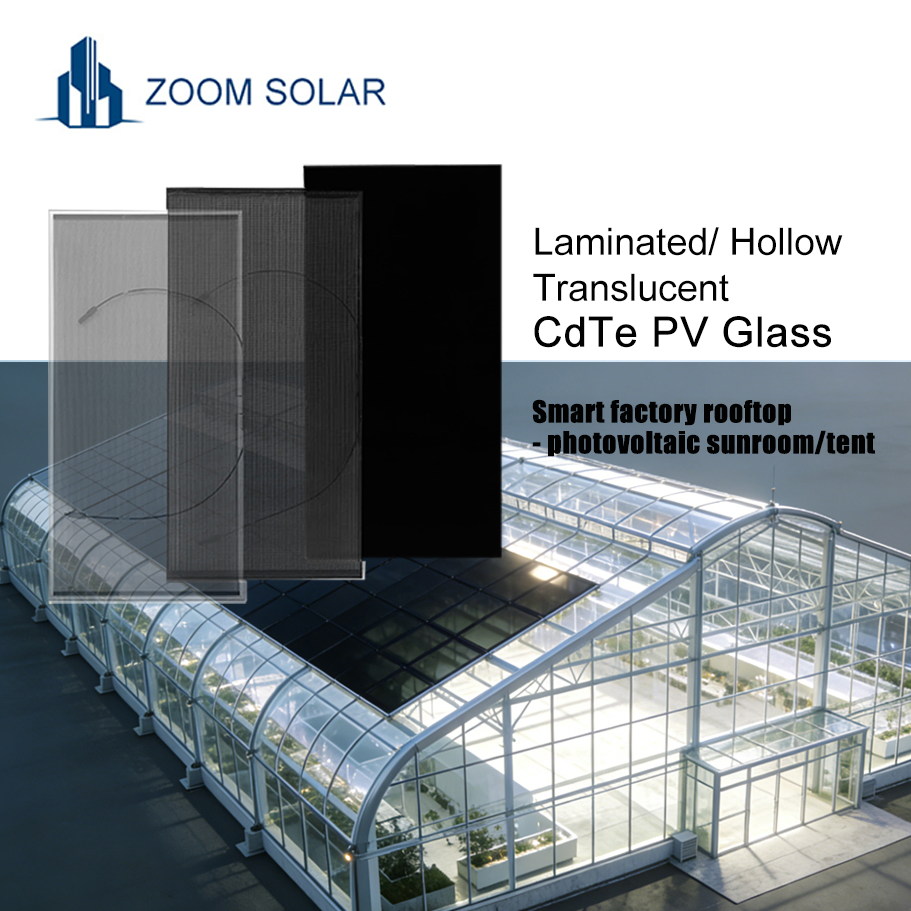
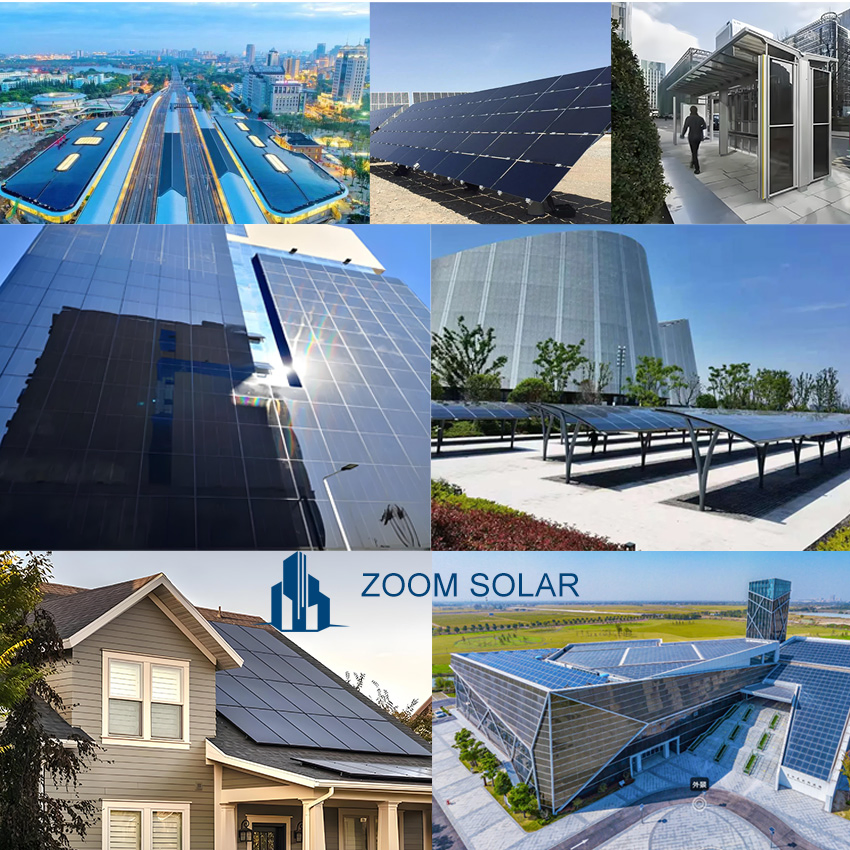
Photovoltaic Venues, Greenhouse, Sun-shading, BIPV
Encapsulated Glass
Stalinite
Module Efficiency
17%
Short-Circuit Current
2.41A
Open-Circuit Voltage
180V
Impp
2.15A
Vmpp
140V
Power Tolerance
±3%
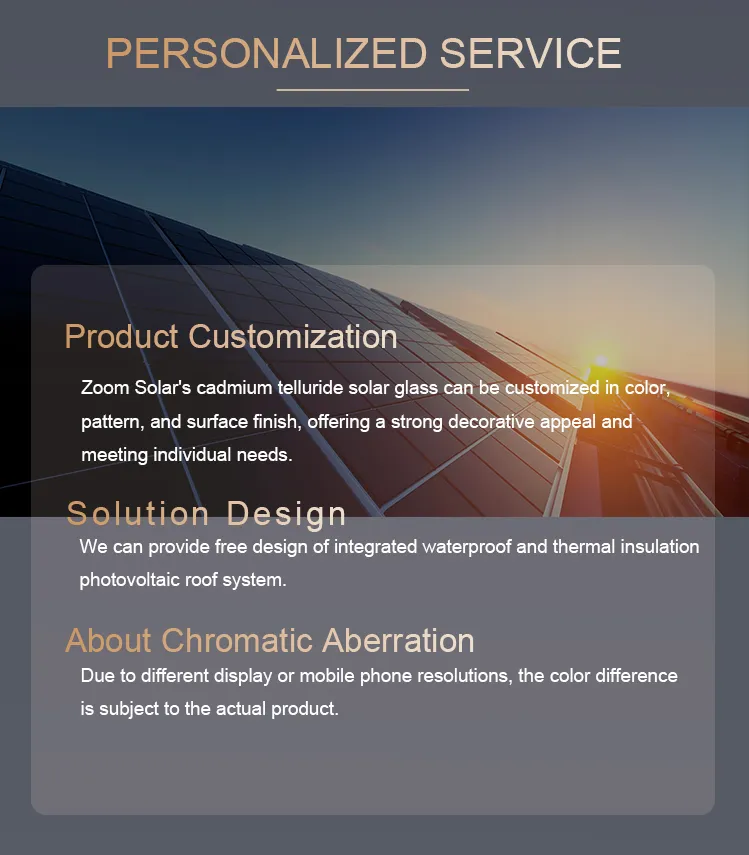
Custom Color
Red, Gold, Black, etc.
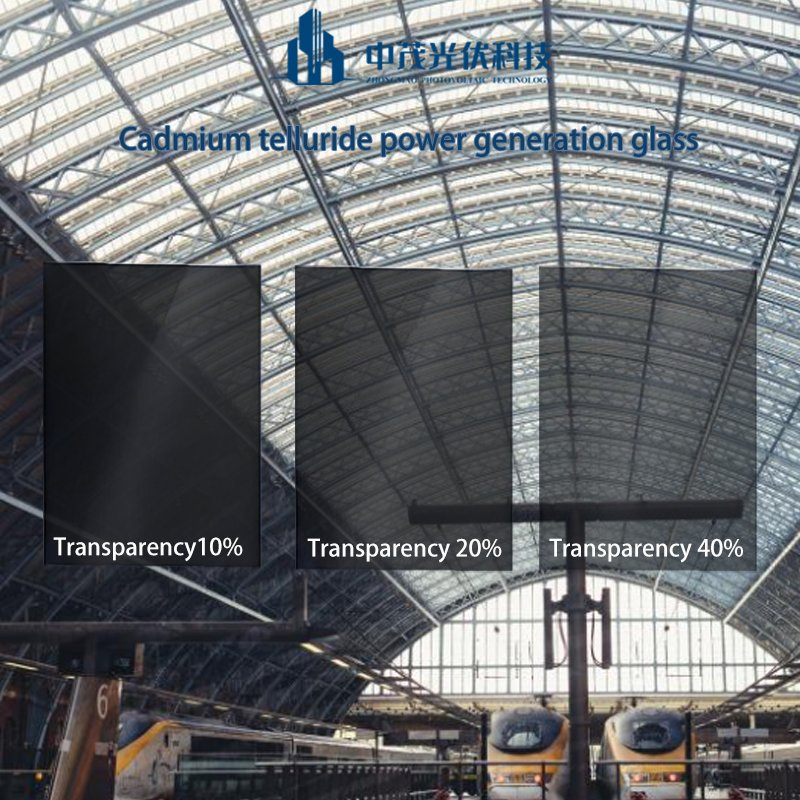
Transmittance
10%, 20%, 40%, 50%, 60%
Production Capacity
100MW/Month

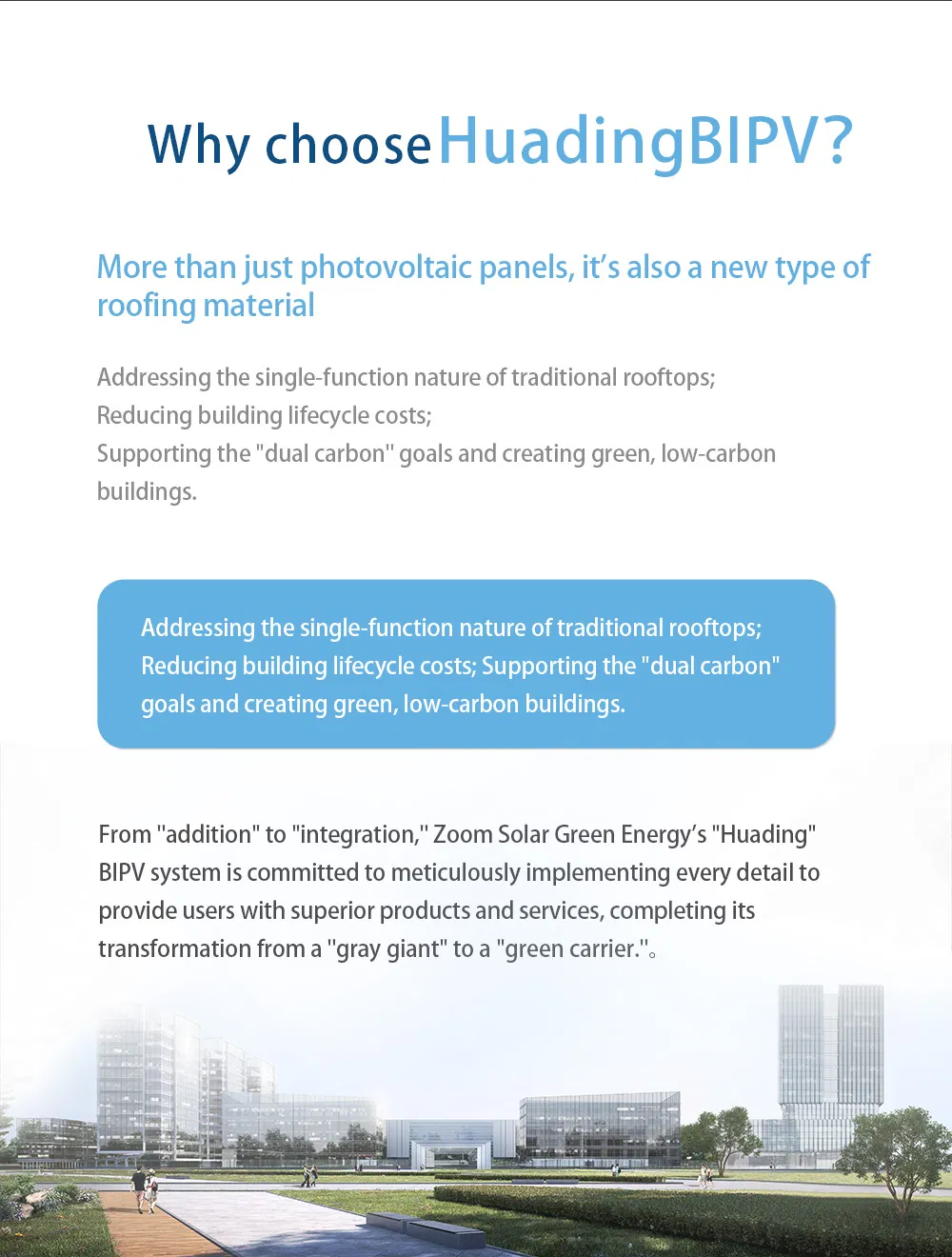
Product Overview

Thin Film Cells BIPV
Product Detail 1 Product Detail 2
Specifications Parameter Range Applicable Scenarios Thickness / Transmittance Power Output
Home 1200×600mm / 1600×800mm Home Roofs / Balcony Railings 10-12mm / 10%-60% 100W-300W/unit
Commercial 2400×1200mm / 3000×1500mm Factory Walls / Power Plants 22mm / 10%-60% 500W-1000W/unit
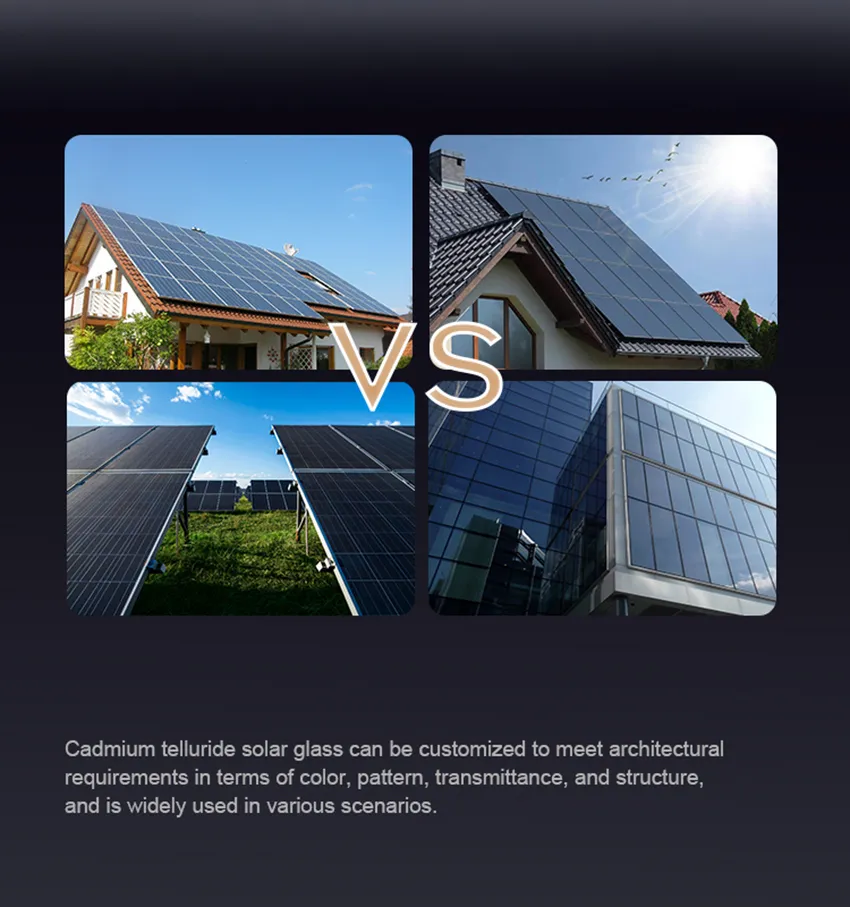
Custom 1000-4000mm available Curtain Walls / Landscapes 6-20mm / 10%-60% By Size
Application 1 Application 2 Application 3

Key Features & Advantages

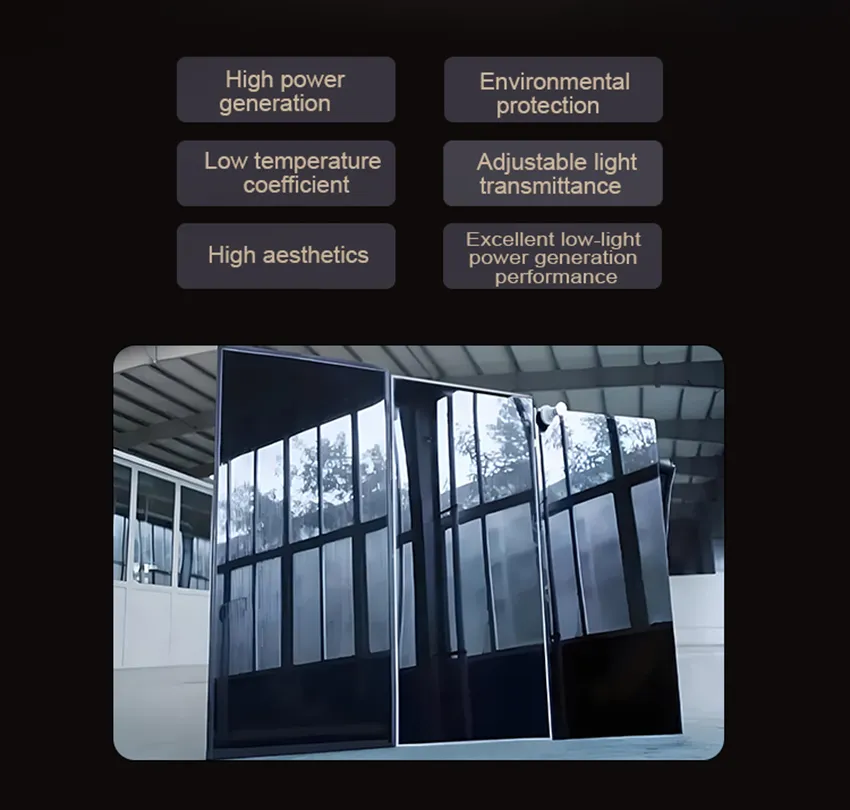
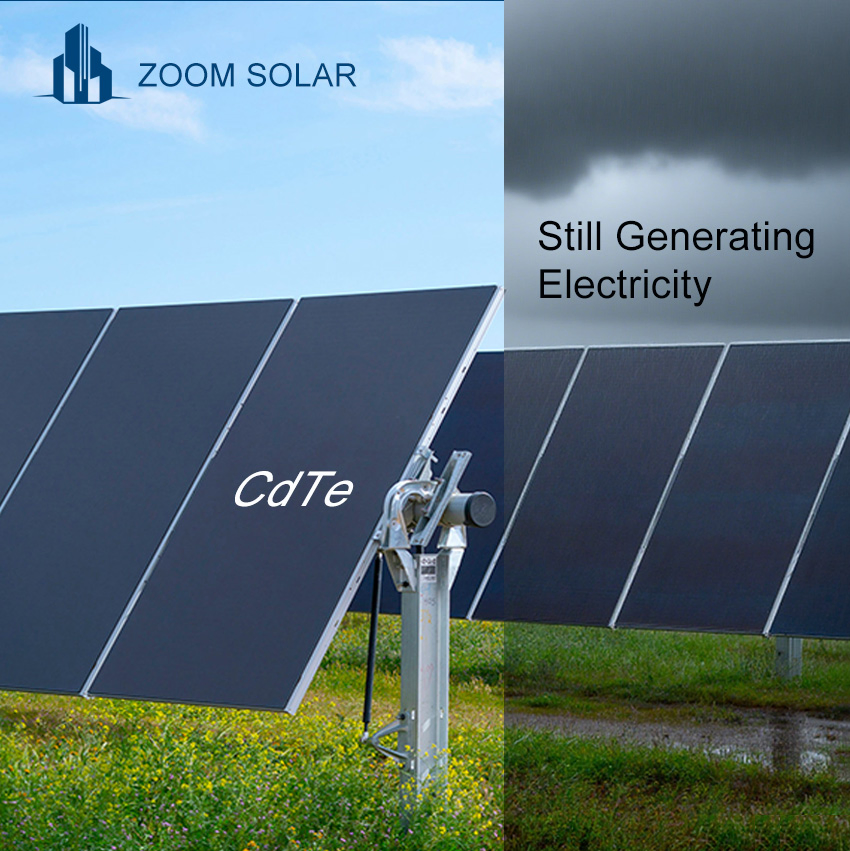
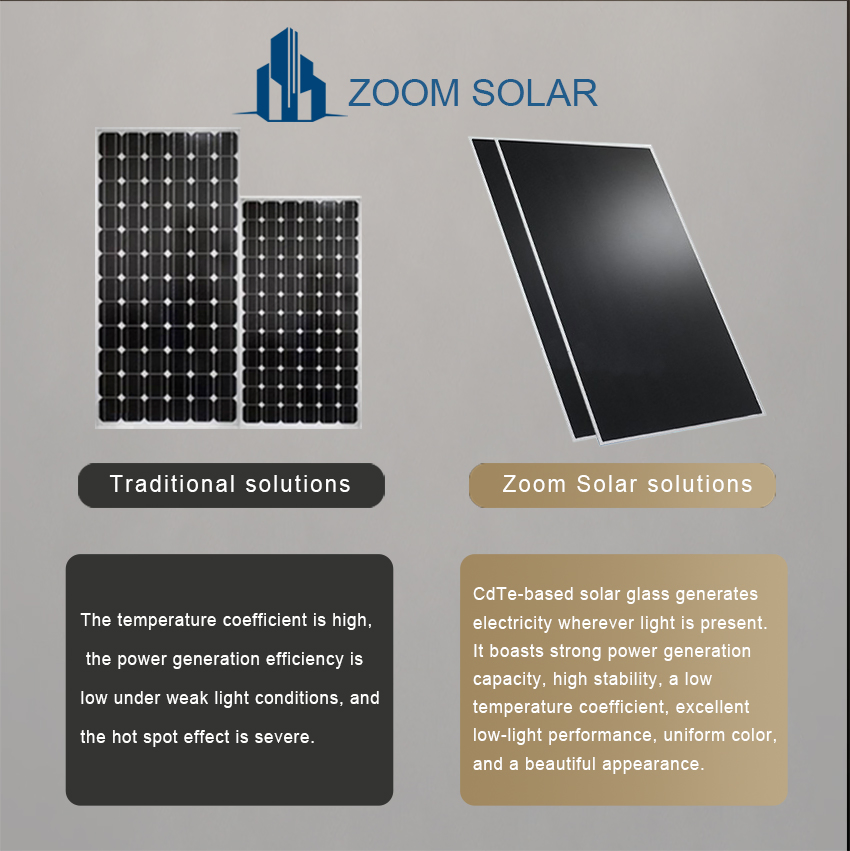
Good Weak Light Performance

CdTe is a direct bandgap material with excellent absorption across the entire spectrum. Its performance in early morning, evening, snow, and haze is significantly superior to traditional silicon cells.

Low Temperature Coefficient

Performance remains stable at high temperatures. The temperature coefficient is about -0.21~0.25%/ºC, roughly half that of crystalline silicon, ensuring higher energy yields in hot climates.

High Conversion Potential

With a bandgap of 1.47eV, CdTe achieves a 90% absorption rate with a thickness of only 1μm. Theoretical conversion efficiency reaches 28-29%.

Superior Stability

Unlike silicon cells, CdTe does not suffer from light-induced degradation and remains unaffected by humid climates as it does not cover the water vapor absorption peak.
Structure Analysis

Product Structure

The cadmium telluride thin-film solar cell consists of five essential layers: glass substrate, transparent conductive oxide (TCO), cadmium sulfide (CdS) window layer, cadmium telluride (CdTe) absorption layer, and the back contact/electrode system.
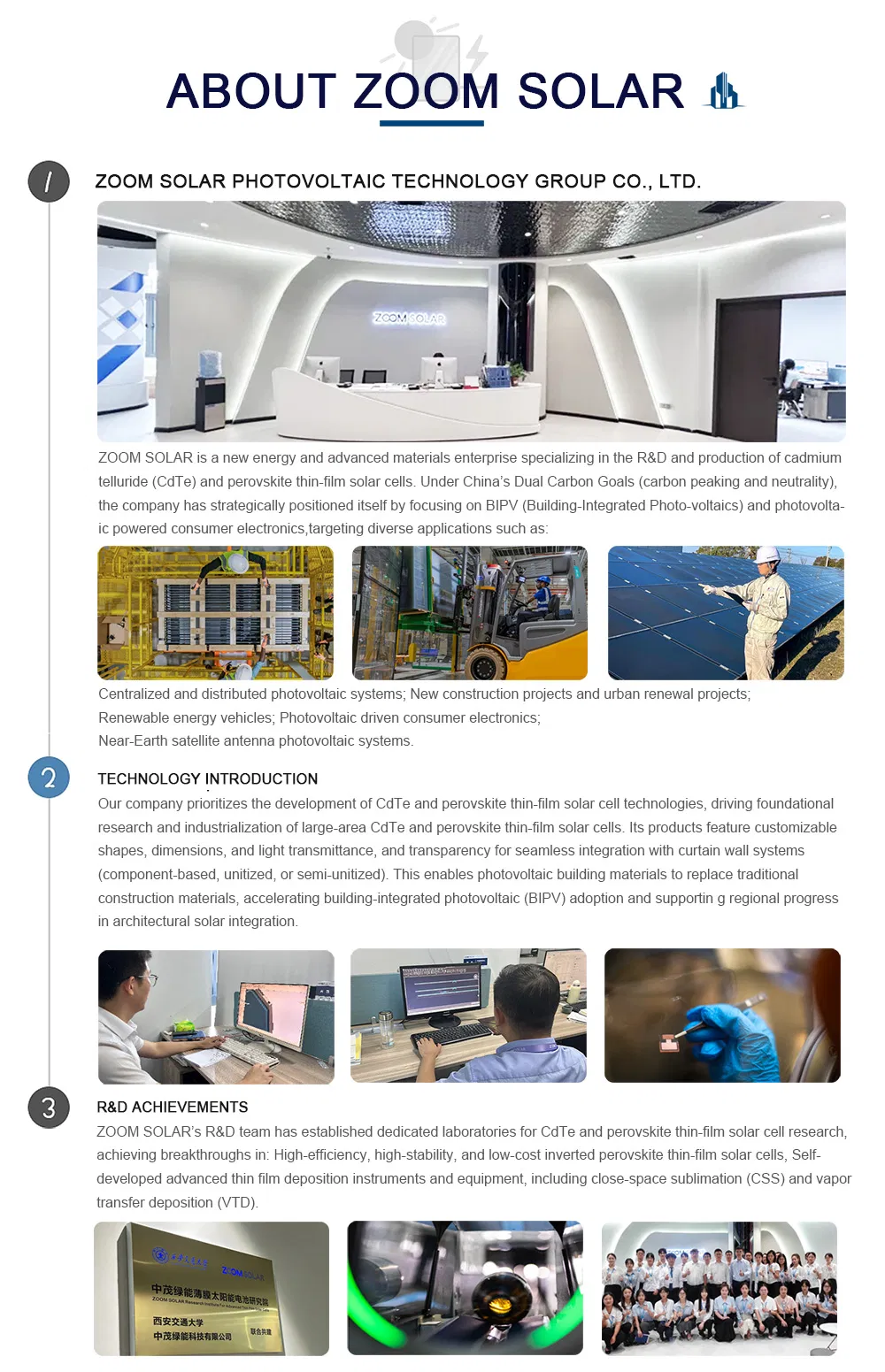
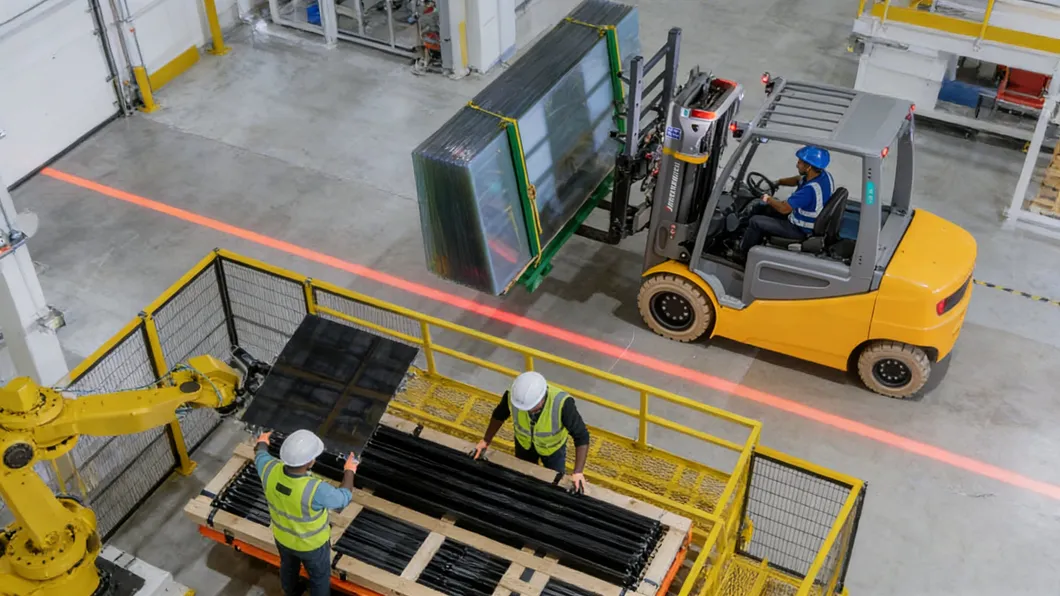
Factory Overview Production Line

R&D and Achievements

The enterprise specializes in the R&D and production of CdTe and perovskite thin-film solar cells, focusing on BIPV (Building-Integrated Photovoltaics) and photovoltaic-powered consumer electronics. Achievements include breakthroughs in high-efficiency, low-cost inverted perovskite cells and self-developed thin film deposition equipment such as CSS and VTD.

R&D Lab Testing Center

Frequently Asked Questions

Q1: Are you a direct manufacturer or a trading company? We are a government-invested high-tech enterprise. We primarily develop and produce cadmium telluride solar cell modules, perovskite cells, and related high-purity metal organic compound materials.
Q2: Do you offer OEM/ODM services for solar modules? Yes, our core focus is R&D and production. we provide full OEM/ODM services based on specific project requirements, supported by a team of over 20 global professionals.
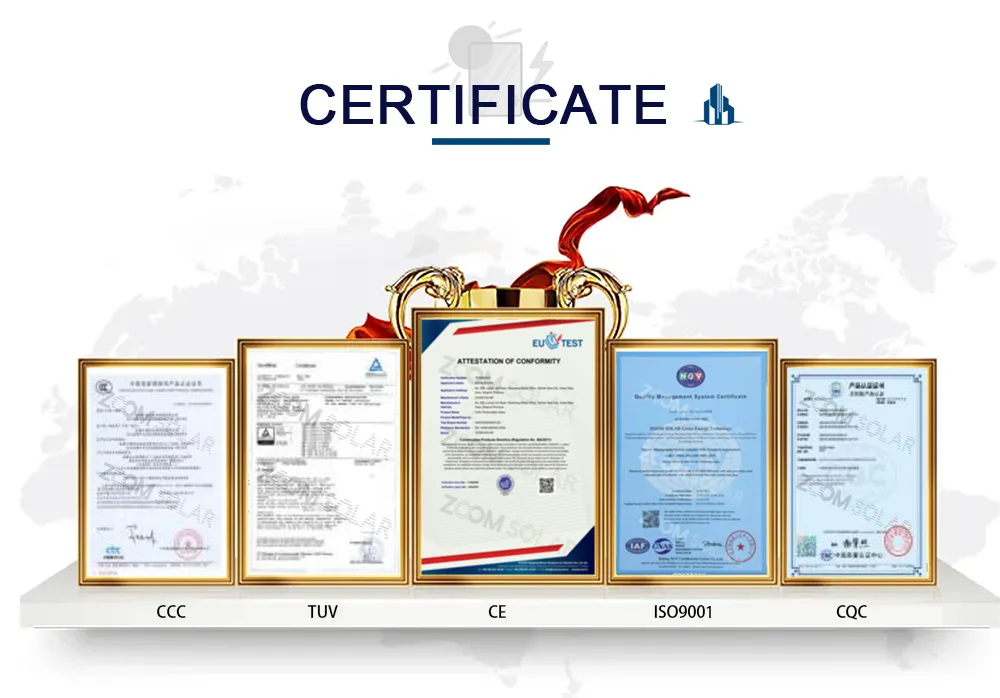
Q3: What are the competitive advantages of your pricing? Our products hold CE, TUV, and CQC certifications. Prices track market trends closely, and our professional cost accounting ensures competitiveness while maintaining ISO9001:2015 quality standards.
Q4: What kind of technical and after-sales support do you provide? We provide a responsive support system including customization drawings, installation wiring diagrams, remote technical guidance, and on-site technician support when necessary.
Q5: Is there a Minimum Order Quantity (MOQ)? No, we do not have a strict MOQ. Our goal is to expand the understanding of green energy and bring sustainable value to customers worldwide regardless of project size.
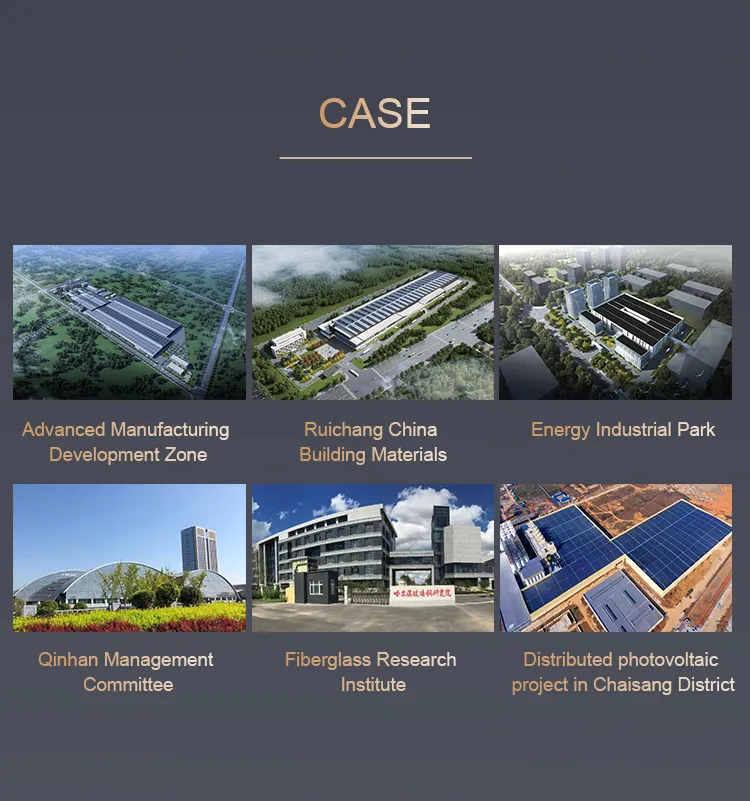
Q6: What are the main applications for CdTe glass? Applications include centralized power plants, residential rooftop systems, BIPV architectural curtain walls, renewable energy vehicles, and satellite antenna systems.
Green Energy Vision

Related Products