Product Description
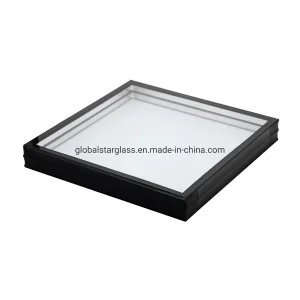
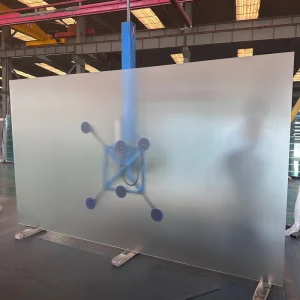
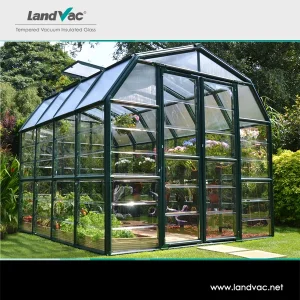
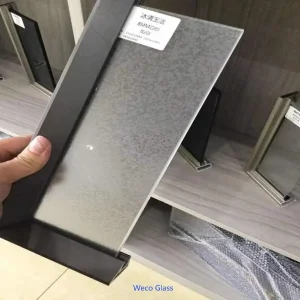
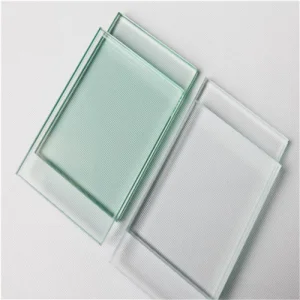
Safety Double Glazing Greenhouse Sunroom Vacuum Insulated Glass (VIG)
Why Choose Vacuum Insulated Glass?
🛡️Fully Tempered
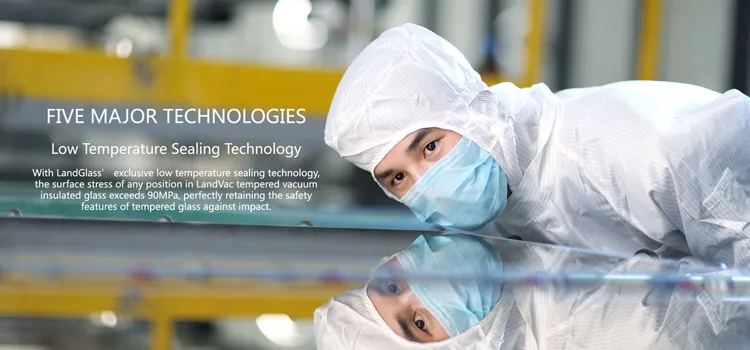
Surface stress exceeds 90MPa, meeting global safety glass standards.
💡Energy Saving
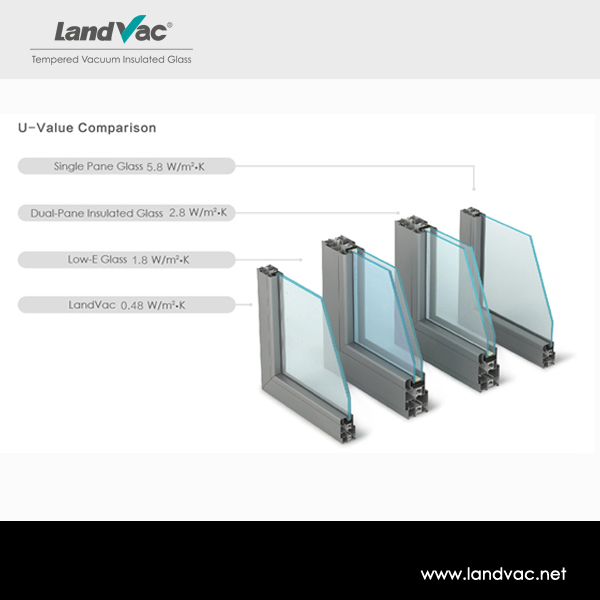
High-performance Low-E coating reduces U-value to 0.48 W/(m²·K).
⏳Super Long Life
Service expectancy exceeds 25 years.
📏Thin Structure
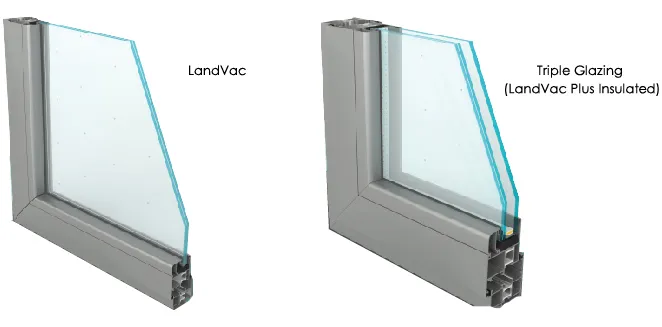
Thinner and lighter than standard insulated glass; 1/6 the thickness of triple pane glass.
❄️Ultimate Dewpoint
Effectively eliminates condensation between glass layers.
🔇Noise Reduction
Reduces outdoor noise by up to 39 dB.
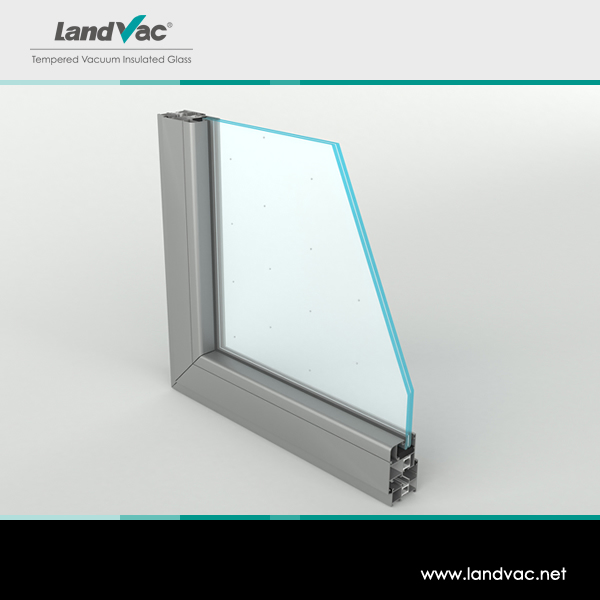
Vacuum insulated glass represents a new generation of tempered glass technology. It offers outstanding thermal and sound insulation while maintaining high strength and safety standards, leading the trend in green building and high-end appliances.
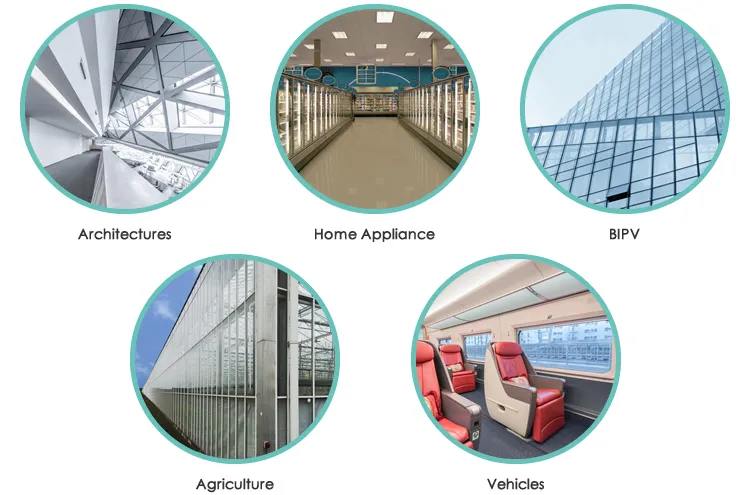
Wide Applications
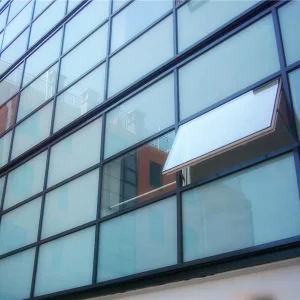
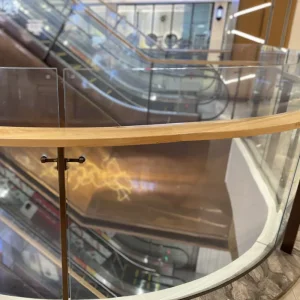
Architecture: Doors, windows, curtain walls, and skylights.
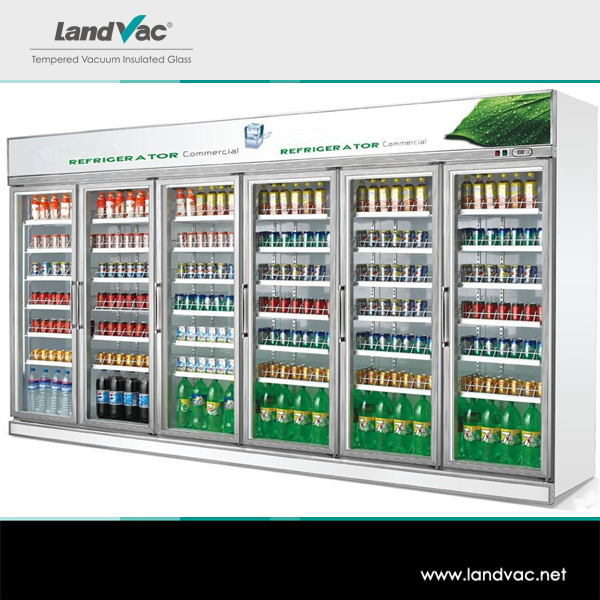
Home Appliances: Freezers, wine cabinets, and display cases.
Transportation: Windows for high-speed rail, aircraft, and vessels.
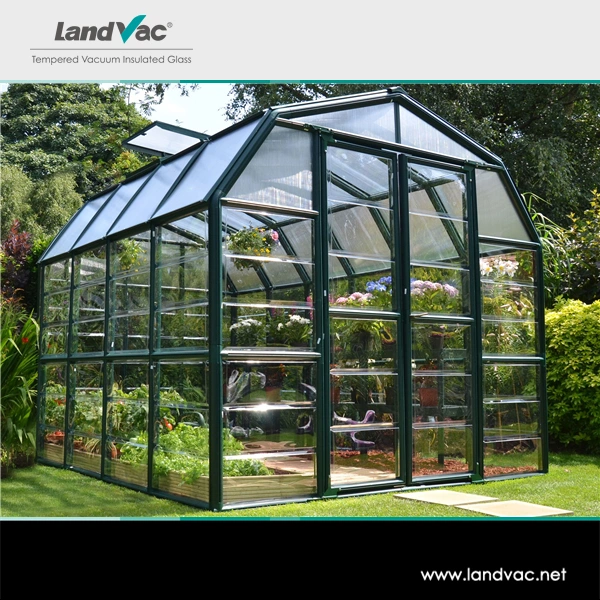
BIPV & Agriculture: Solar buildings and modern greenhouses.
Frequently Asked Questions
What is the main benefit of Vacuum Insulated Glass (VIG)?
The main benefit is its superior thermal insulation. With a U-value as low as 0.48 W/(m²·K), it is 2-4 times more efficient than standard insulated glass, significantly reducing energy costs.
Is the vacuum glass safe for high-rise buildings?
Yes, the glass is fully tempered with surface stress exceeding 90MPa, meeting safety glass standards for commercial and residential architectures.
How does it perform regarding noise reduction?
It effectively blocks medium and low-frequency noises. It can reduce outdoor noise levels of 75 dB by approximately 39 dB.
Does the installation angle affect its performance?
No. Unlike some gas-filled units, the geographical location, elevation, and installation angle do not affect the vacuum performance of LandVac.
What is the lifespan of this vacuum glass?
The life expectancy of this vacuum insulated glass is designed to exceed 25 years.
Can it prevent window condensation?
Yes, the vacuum layer effectively eliminates dew condensation between the glass layers even in extreme temperature differences.

 MGW Glass