Technical Specifications
Application
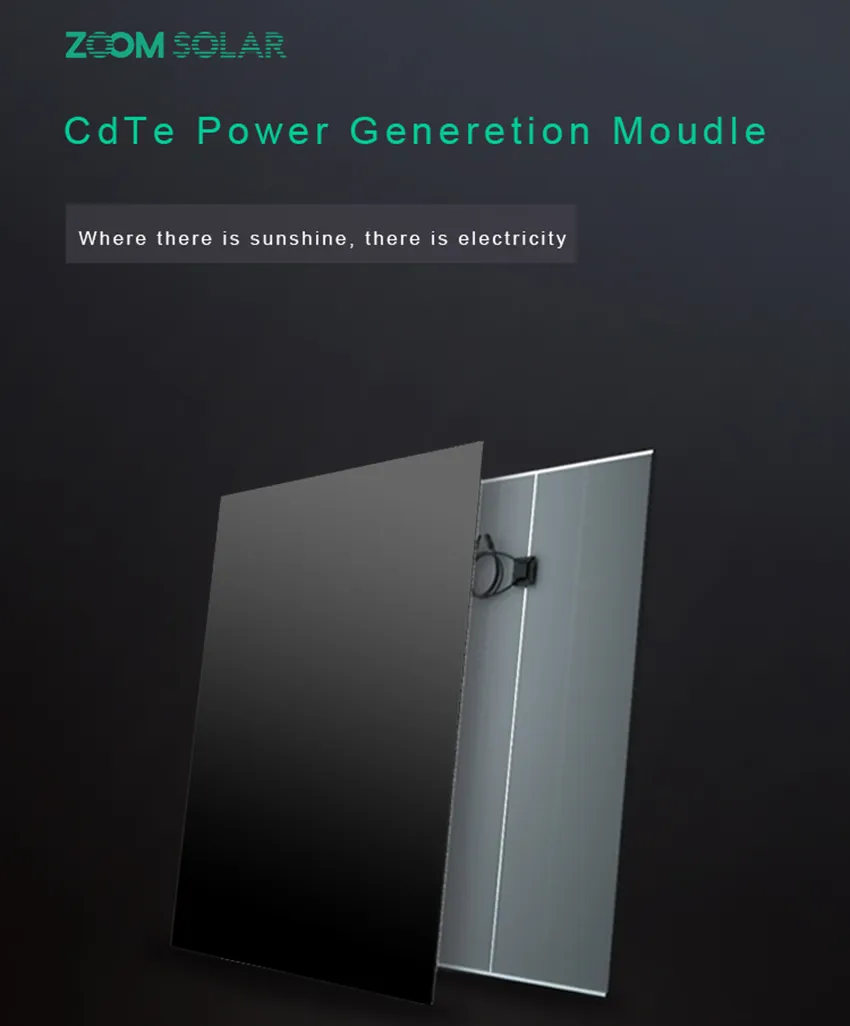
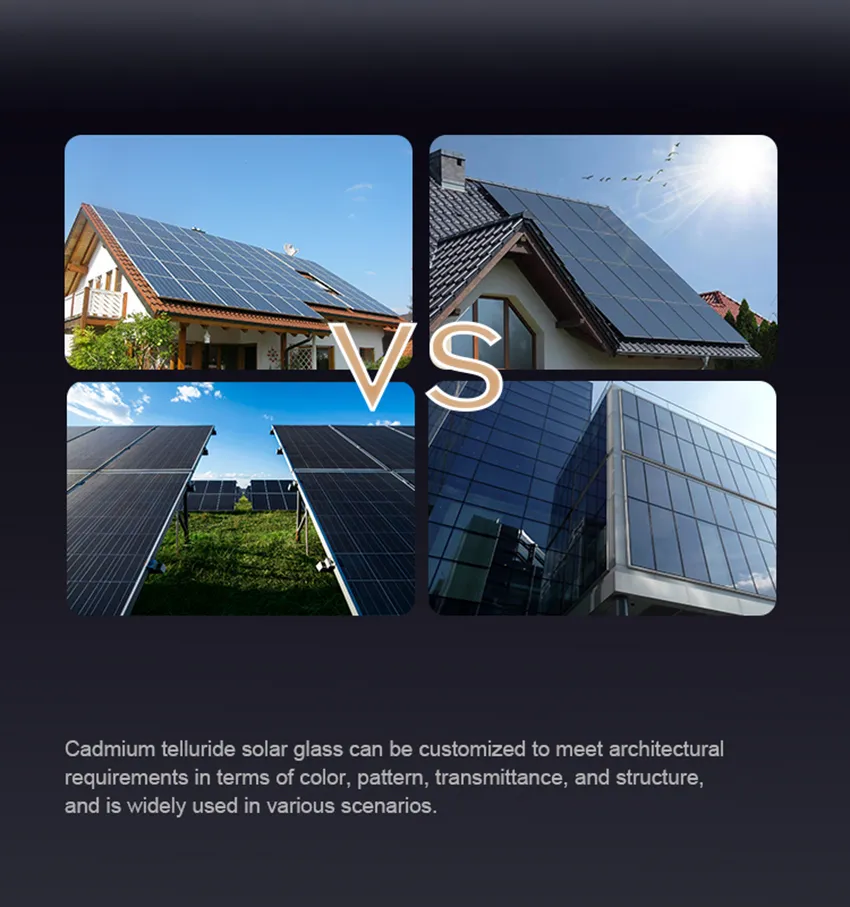
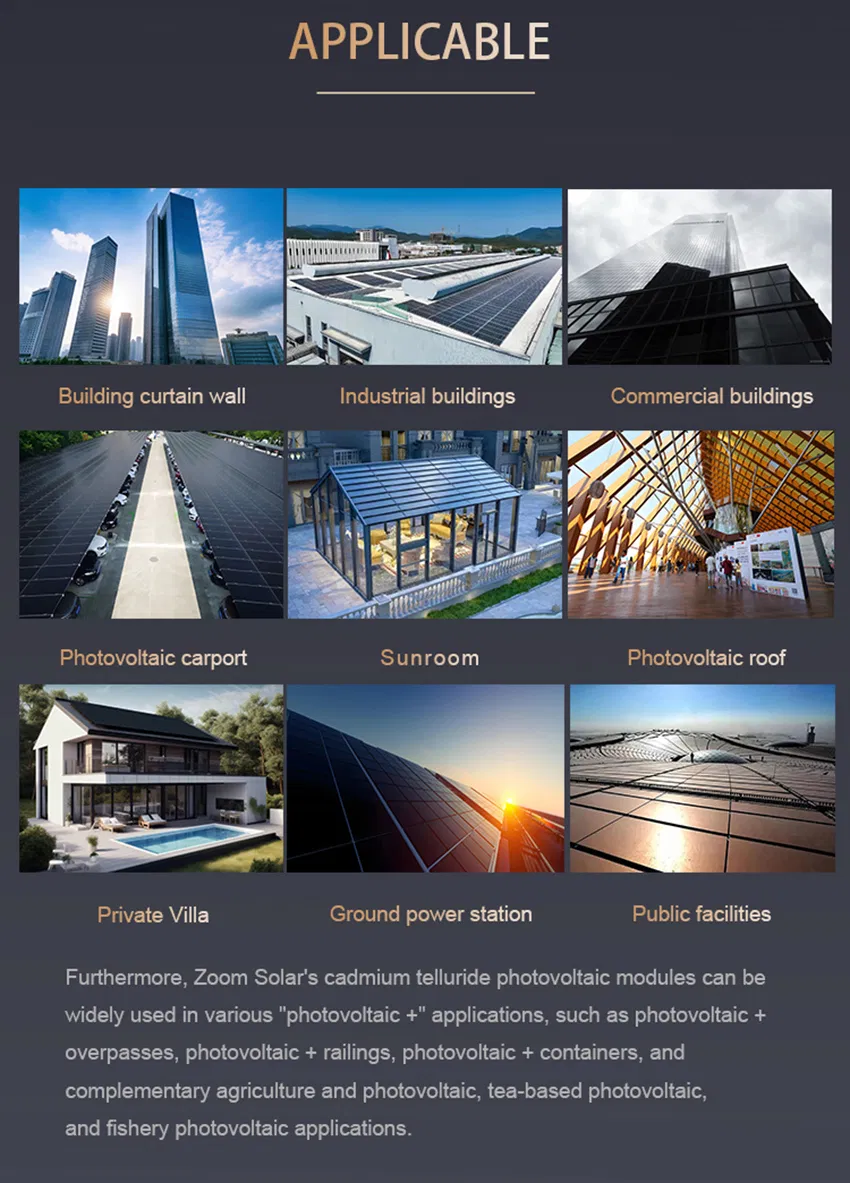
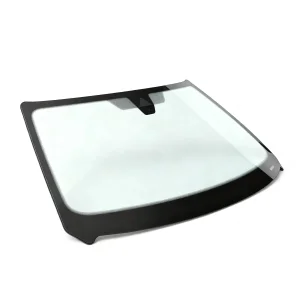
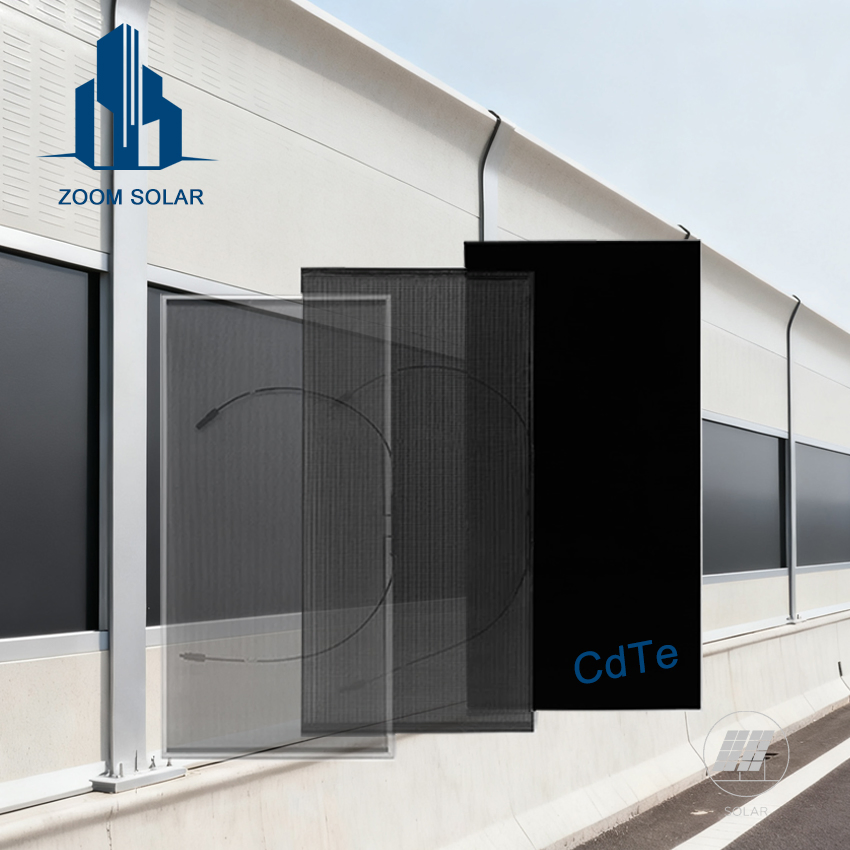
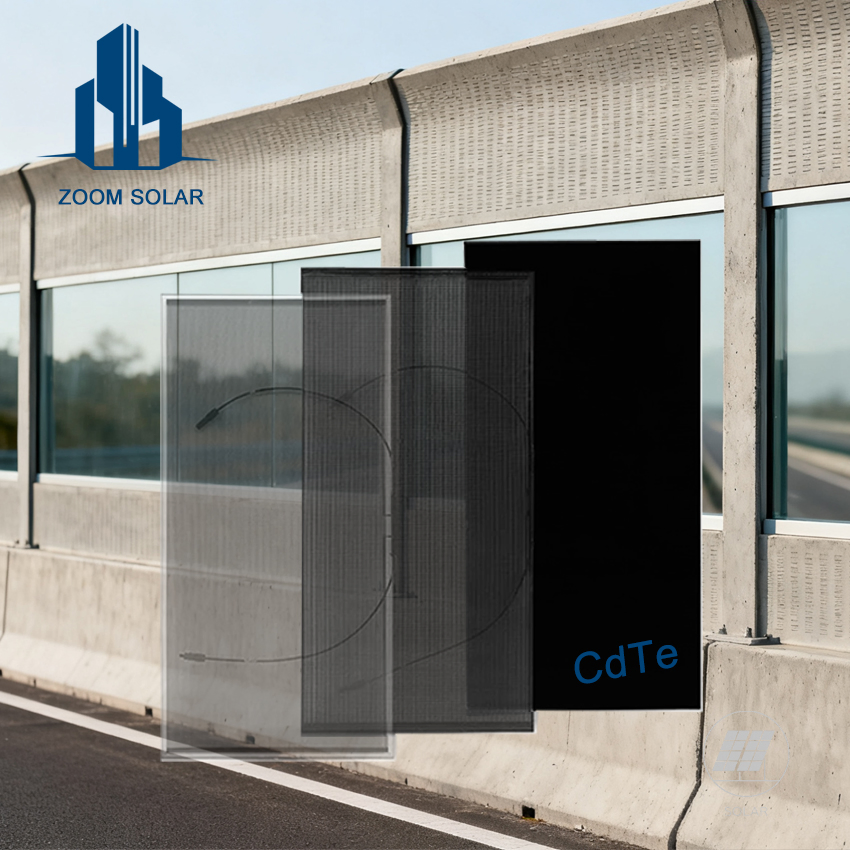
Photovoltaic Venues, Greenhouse, Roof, Building
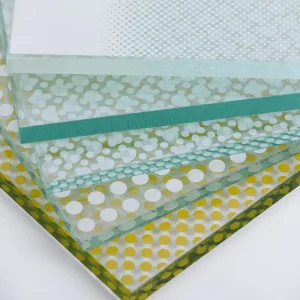
Encapsulated Glass
Stalinite
Short-Circuit Current Isc
2.41A
Open-Circuit Voltage Voc
180V
Application Scenarios & Parameters
| Specifications |
Parameter Range |
Applicable Scenarios |
Thickness / Transmittance |
Power Output |
| Home |
1200×600mm / 1600×800mm |
Roofs / Balcony Railings |
10-12mm / 10%-60% |
100W-300W/unit |
| Commercial |
2400×1200mm / 3000×1500mm |
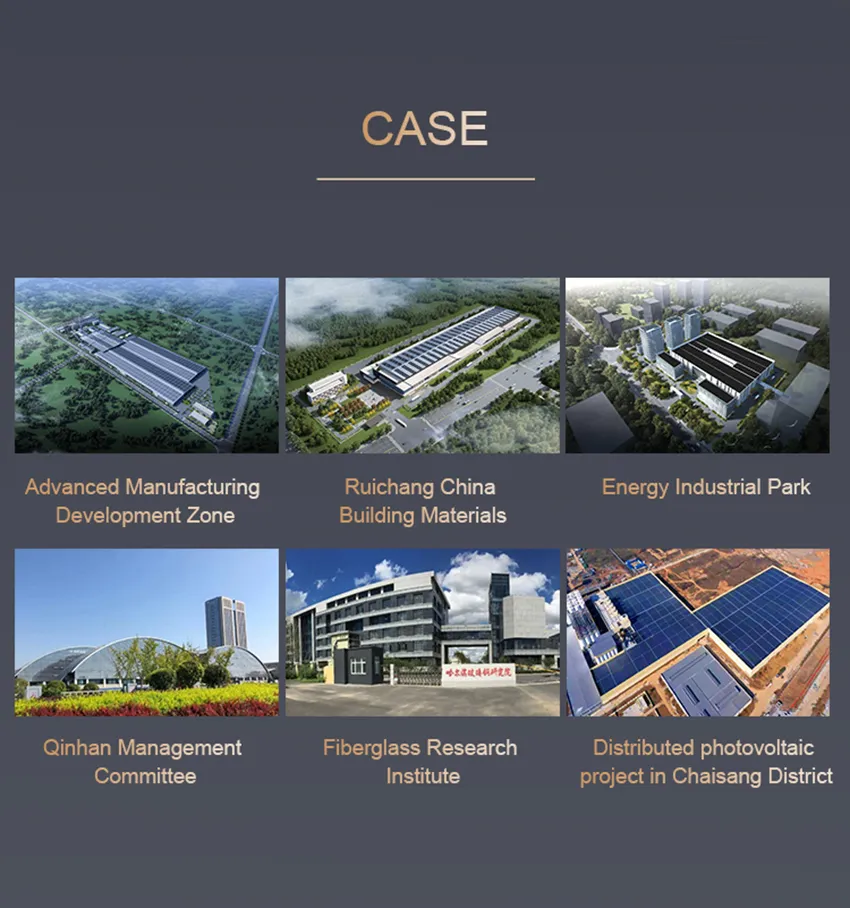
Factory Walls / Power Plants |
22mm / 10%-60% |
500W-1000W/unit |
| Custom |
1000-4000mm available |
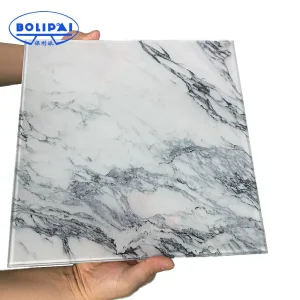
Special Curtain Walls |
6-20mm / 10%-60% |
Calculated by size |
Key Product Features
💡
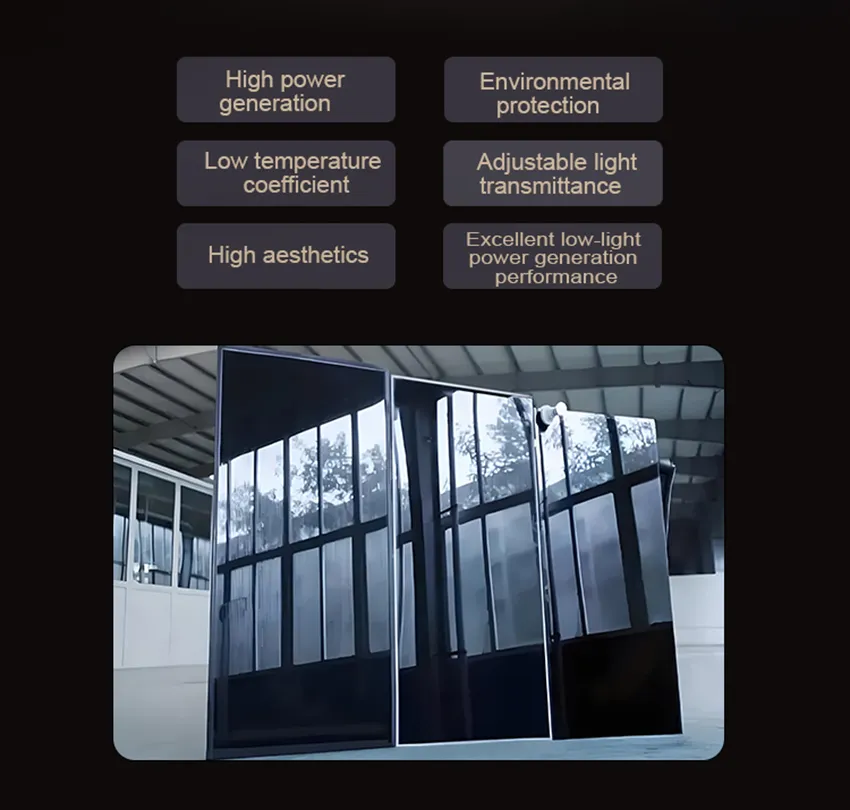
Good Weak Light Performance
CdTe is a direct bandgap material with excellent absorption across the spectrum. Performance in early morning, evening, or hazy conditions is significantly superior to crystalline silicon cells.
🌡️
Low Temperature Coefficient
With a coefficient of -0.21~0.25%/ºC, these cells maintain stability and generate more power in high-temperature environments compared to traditional silicon cells.
⚡
High Conversion Efficiency
The theoretical efficiency is approximately 28-29%. It can absorb over 90% of visible light with a thickness of only 1μm.
🛡️
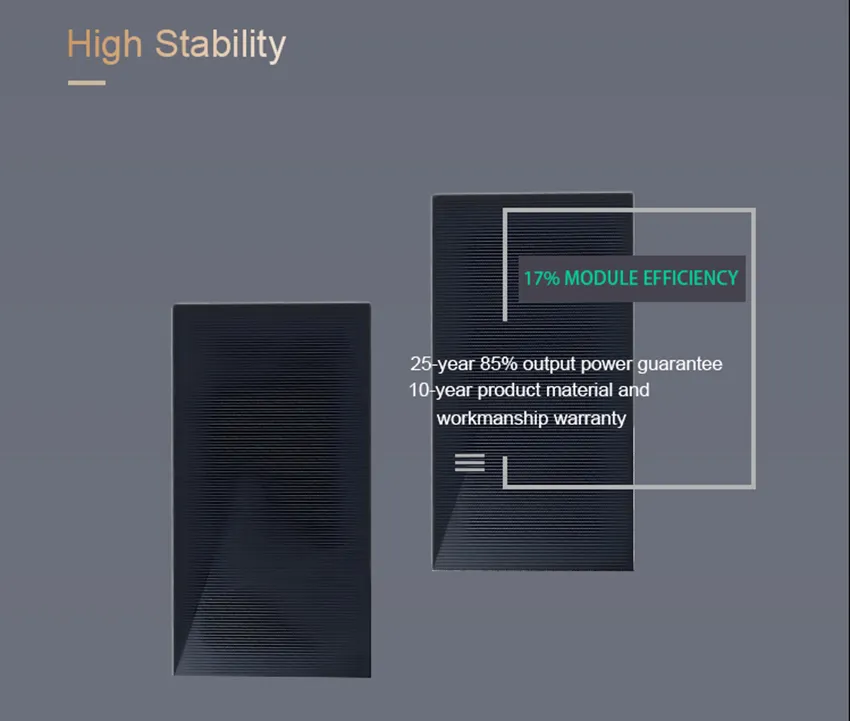
Stable Power Generation
No light-induced degradation (LID). Performance remains consistent in humid climates as the spectral absorption does not overlap with water vapor peaks.
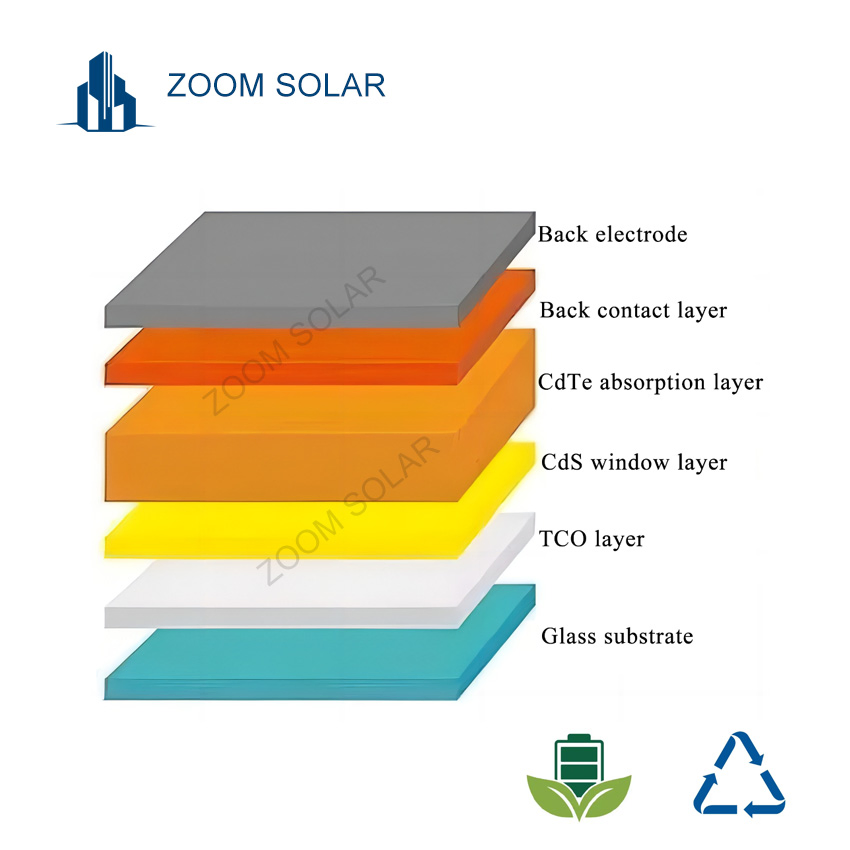
Advanced Product Structure
The cadmium telluride thin-film solar cell structure consists of five specialized layers:
- Glass Substrate
- Transparent Conductive Oxide layer (TCO)
- Cadmium Sulfide (CdS) Window Layer
- Cadmium Telluride (CdTe) Absorption Layer
- Back Contact Layer and Electrode
Research & Development
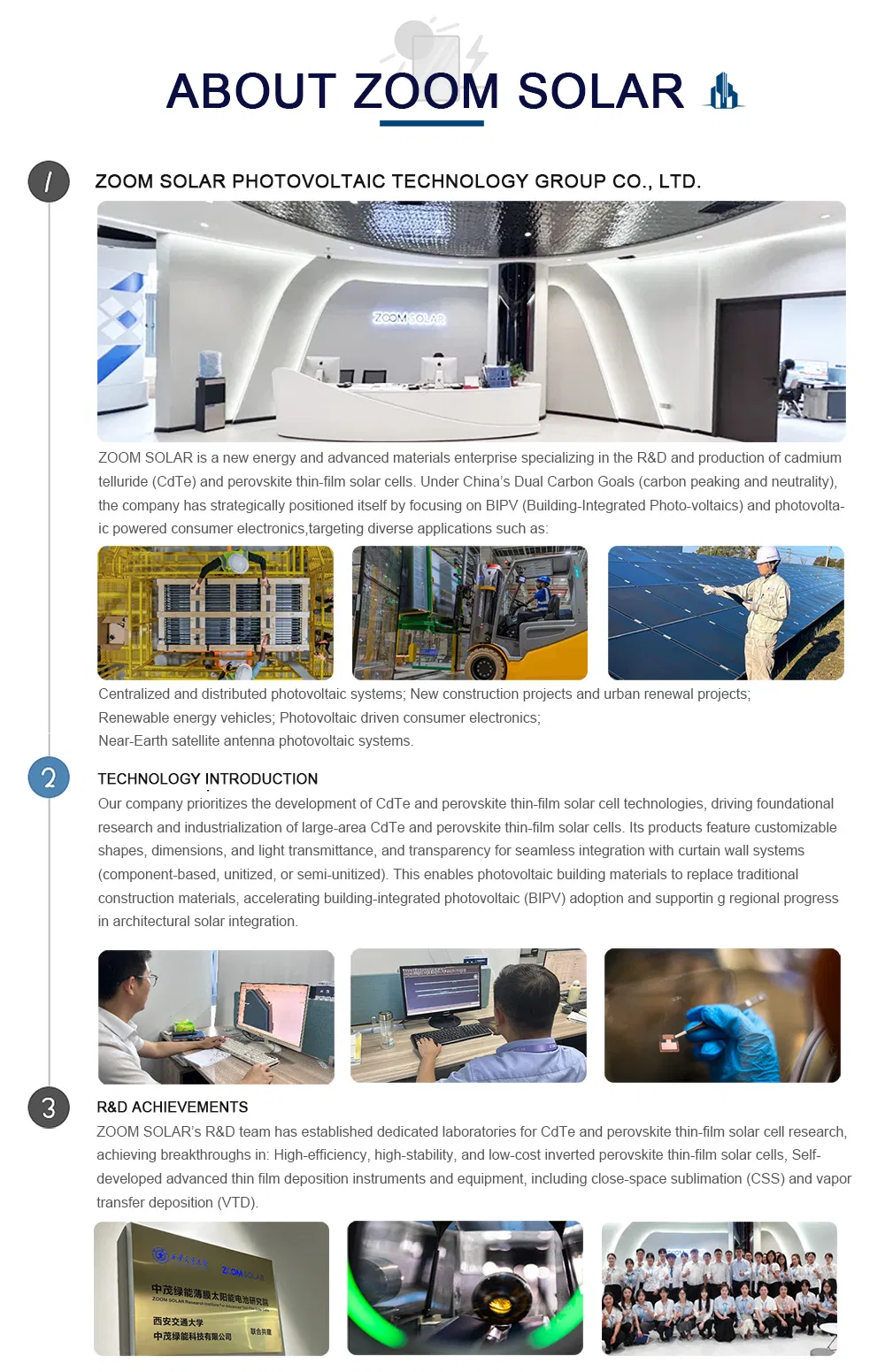
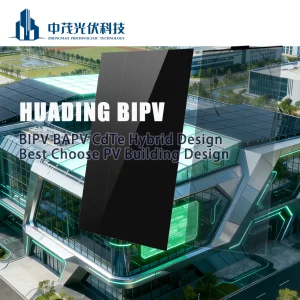
Focused on Building-Integrated Photovoltaics (BIPV) and high-efficiency thin-film technology. Our research achieves breakthroughs in high-stability inverted perovskite cells and advanced thin-film deposition via close-space sublimation (CSS).
Frequently Asked Questions
What are the main advantages of CdTe thin-film solar cells?
CdTe cells offer excellent weak light performance, a low temperature coefficient, and high stability. They are particularly effective in hot climates and areas with frequent cloud cover.
Can these modules be used as construction materials?
Yes, they are designed for Building-Integrated Photovoltaics (BIPV), meaning they can replace traditional curtain walls, roofs, and balcony railings while generating electricity.
What transparency options are available?
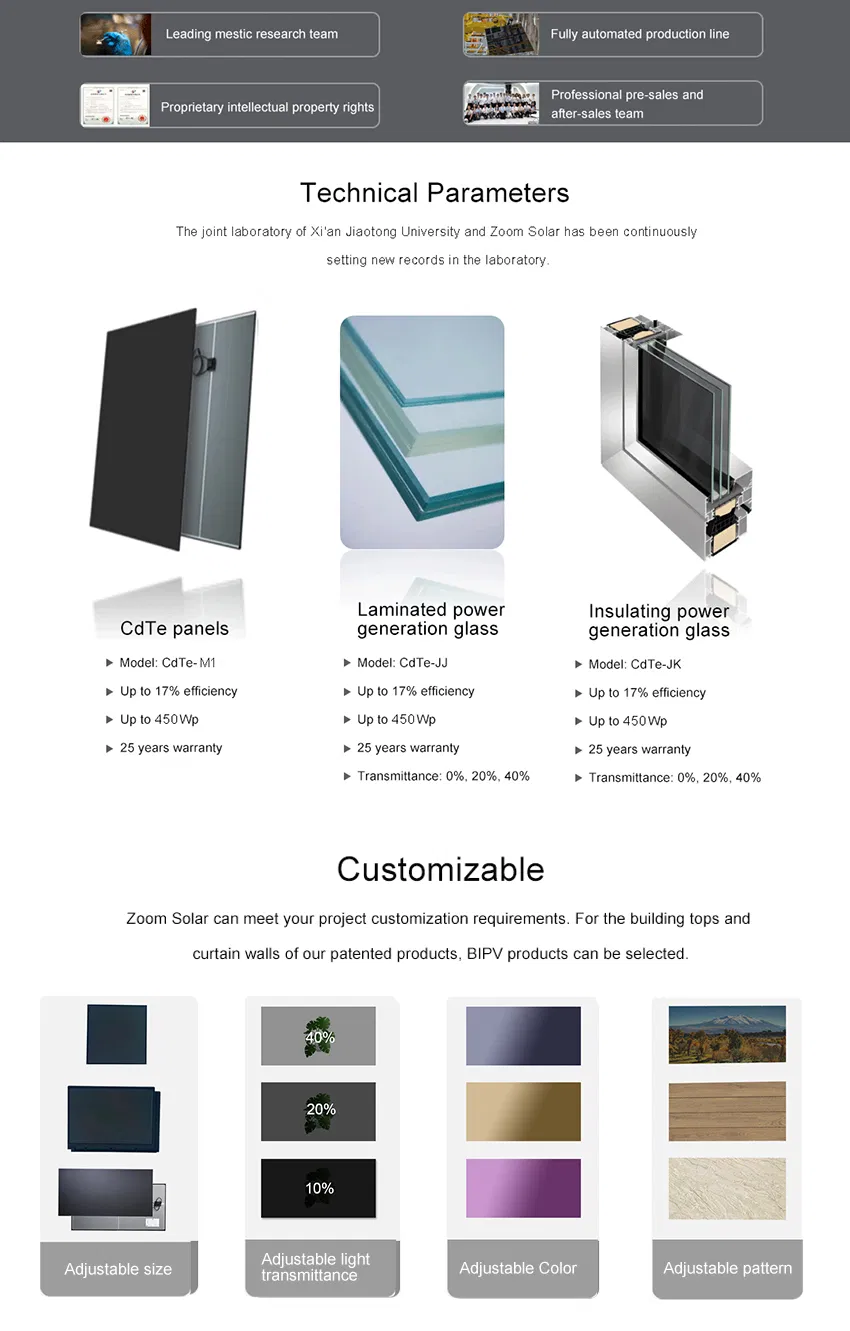
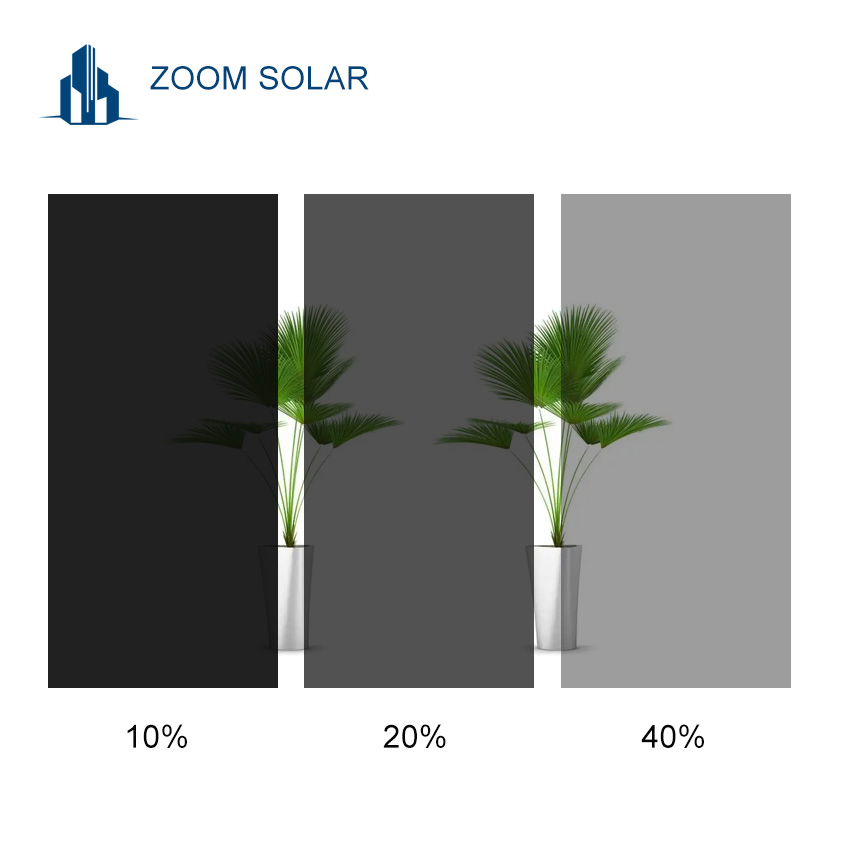
Modules come in various transmittance levels ranging from 0% (opaque) to 60% transparency, allowing for natural lighting in architectural designs.
Do these solar panels degrade over time due to light?
Unlike crystalline silicon cells, cadmium telluride power generation glass does not have light-induced degradation (LID) characteristics, ensuring stable output throughout its cycle.
How do they perform in high-temperature environments?
The temperature coefficient is about half that of crystalline silicon cells, which means they lose significantly less efficiency as the temperature rises.
Are custom sizes available for large projects?
Yes, custom sizes ranging from 1000mm to 4000mm can be manufactured to fit specific architectural requirements for curtain walls and landscape facilities.
 MGW Glass