MGW Glass MGW Glass

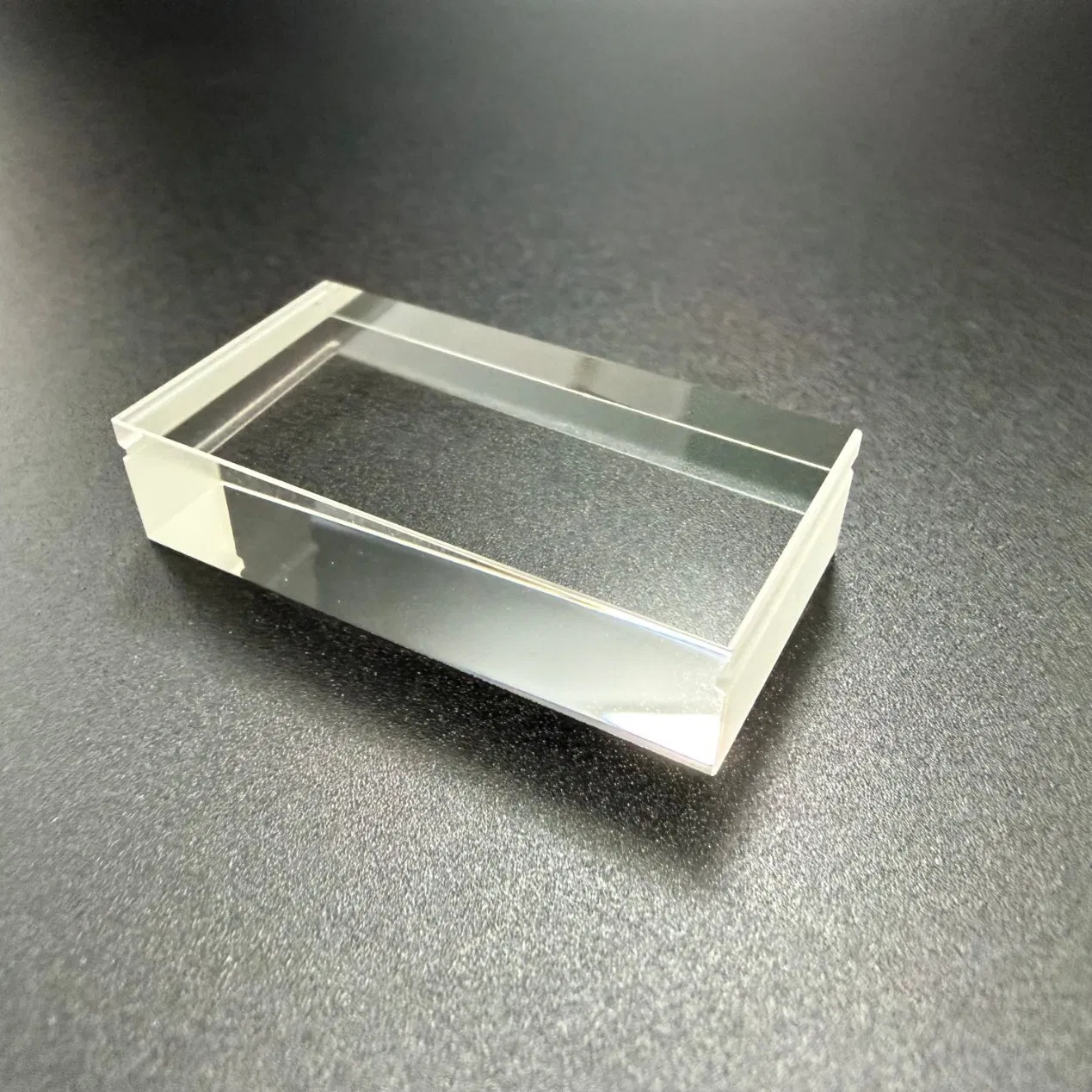
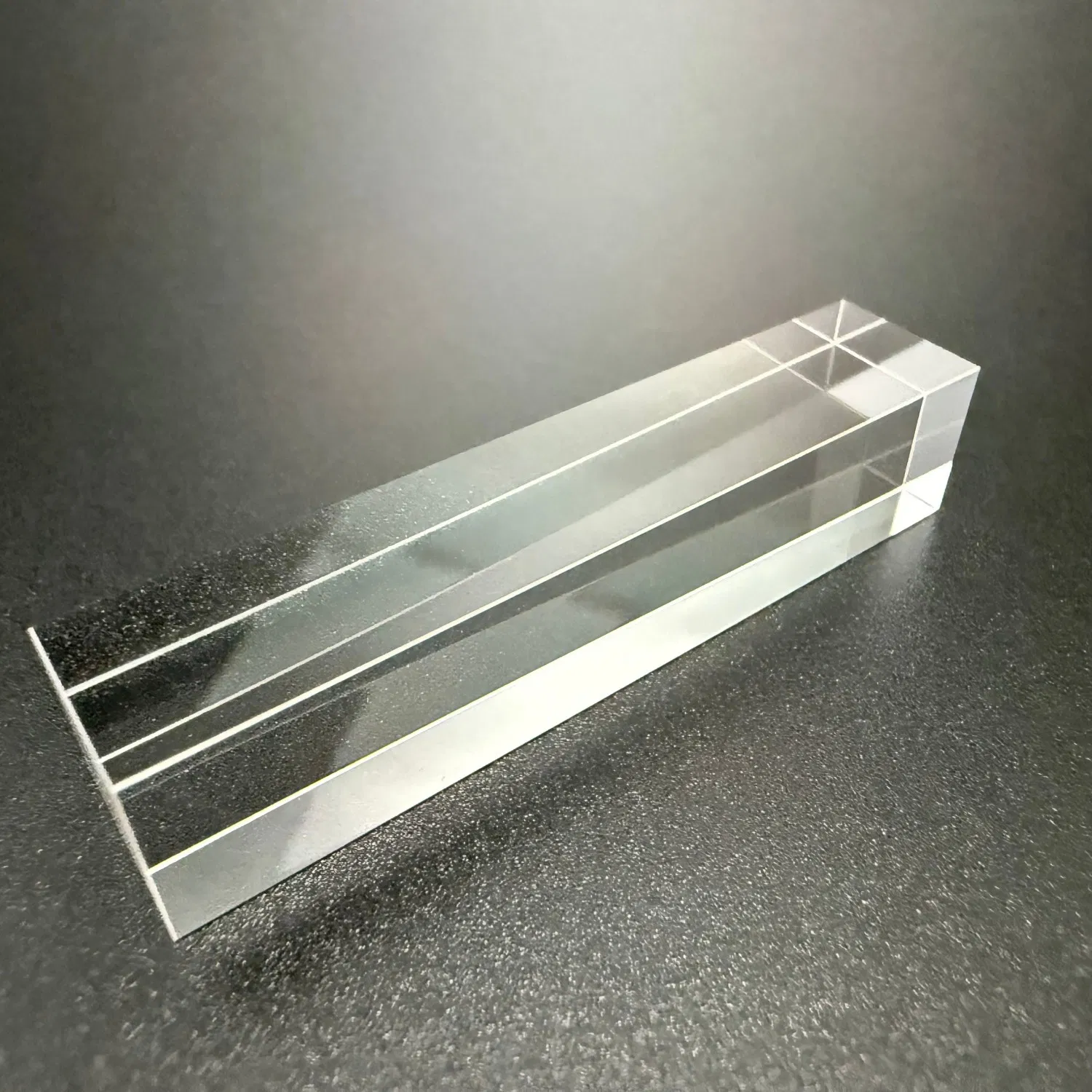
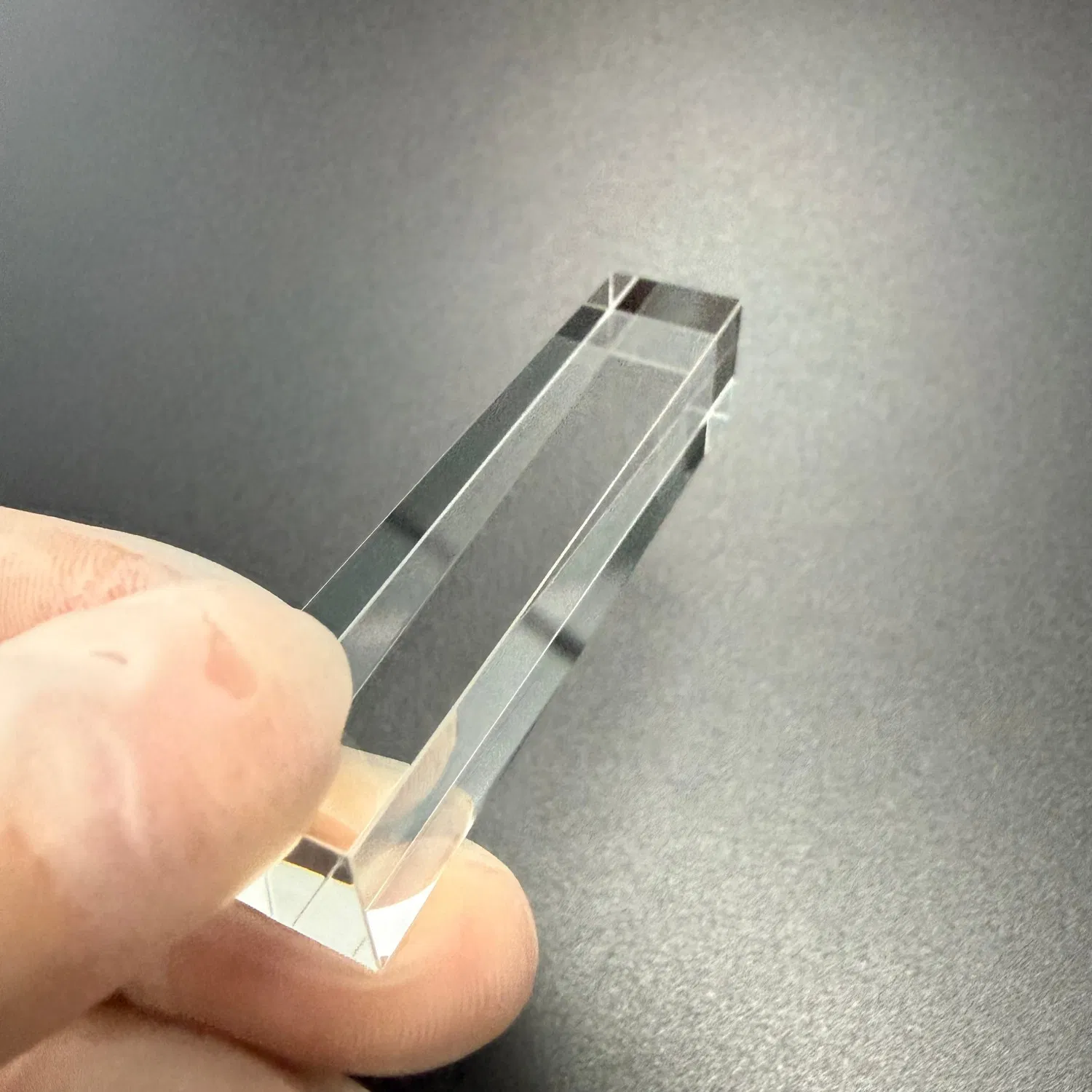
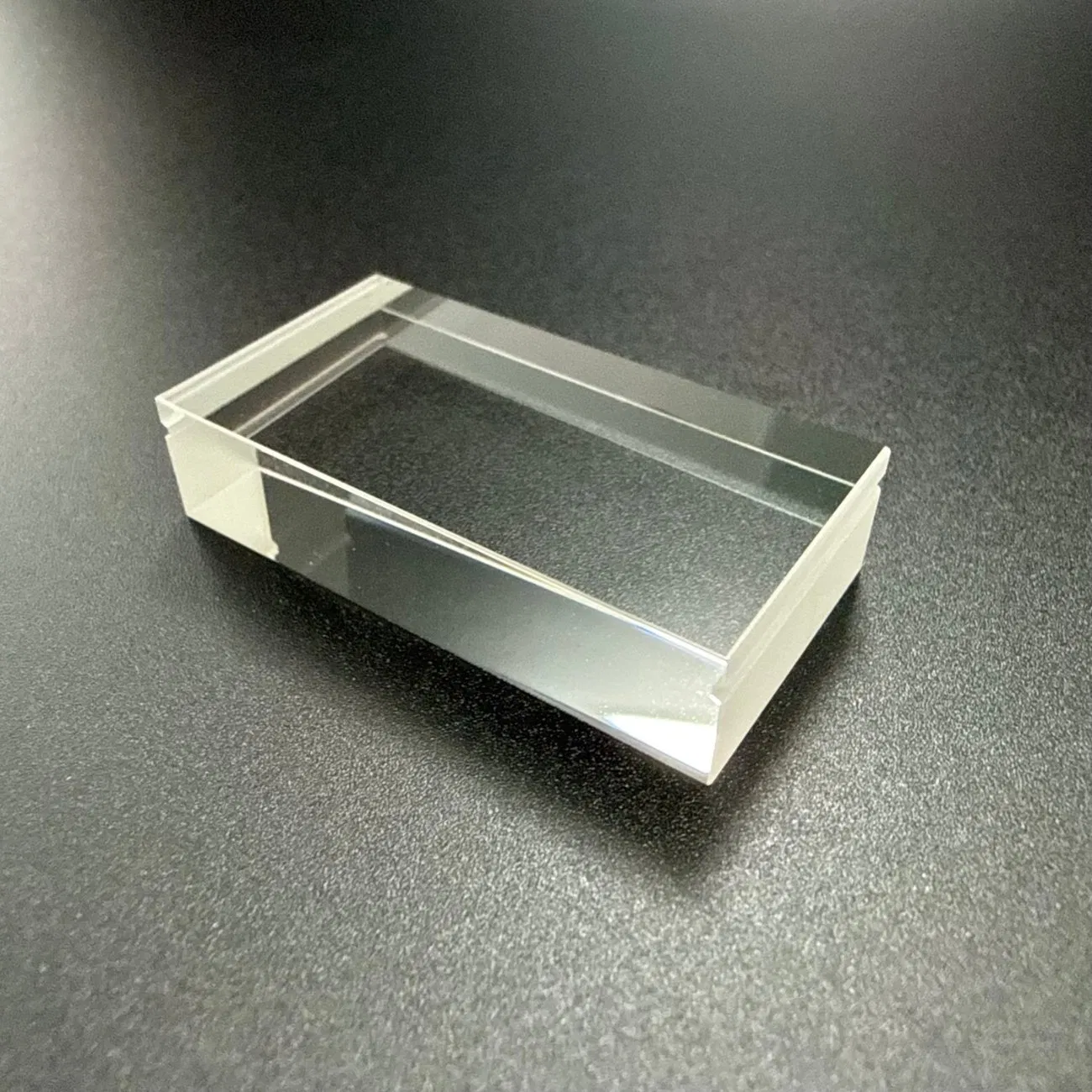
a High-Quality and Anti-Reflective Sapphire Glass Used in Ar Glasses

Still deciding? Get samples of $ !
Order Sample

Product Description

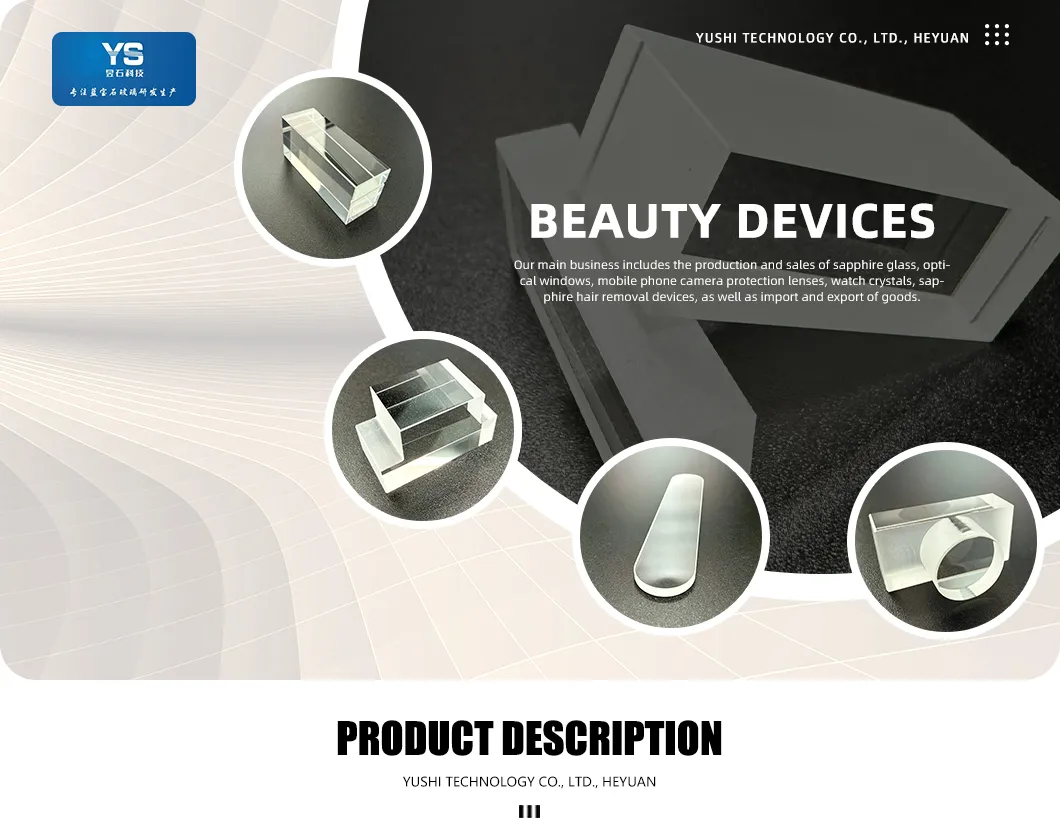
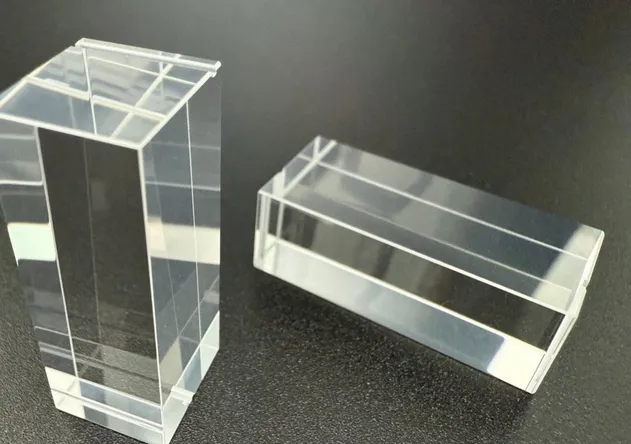
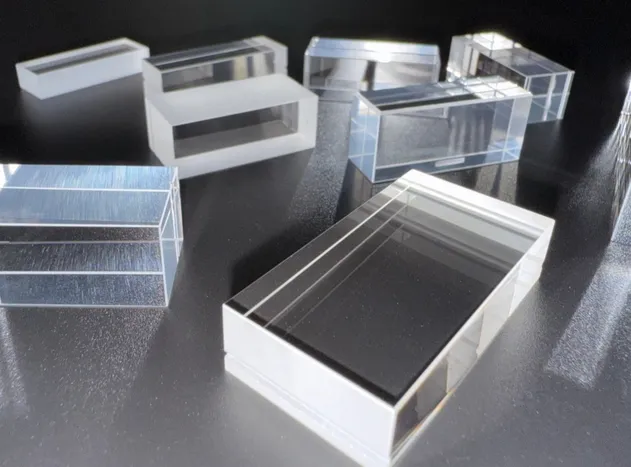
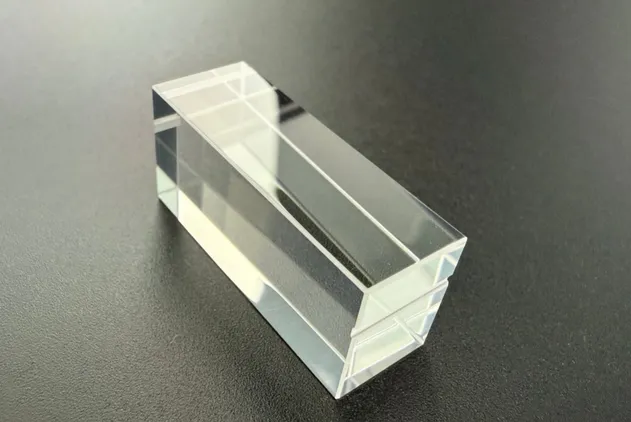
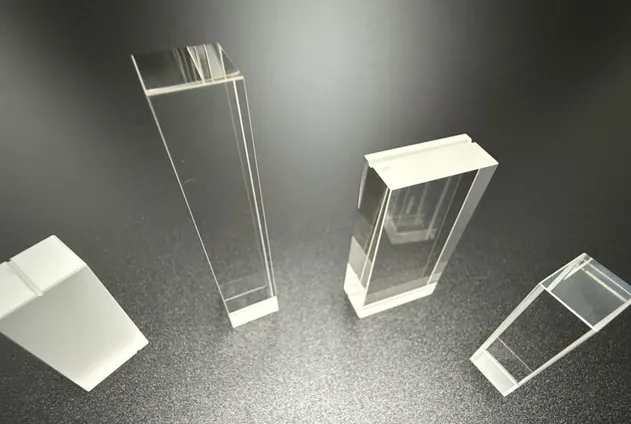
High-Quality Sapphire Glass for AR Glasses
ℹ️

Basic Product Information

Model NO.
1-1000mm
Shape
Single-Lens
Material
Optical Glass / Synthetic Sapphire
Lenses Color
Clear
Certification
RoHS, ISO9001
Hardness
Mohs Hardness of 9
Density
3.98 G/Cm³
Refractive Index
1.76-1.77 (@589nm)
Transmission
0.15 μm - 5.5 μm
Melting Point
2040 °C
📊

Technical Specifications

Parameter Category Parameter Name Value / Description Notes
Physical Properties Density 3.97 - 3.99 g/cm³ -
Mohs Hardness 9 Second only to diamond
Young's Modulus 345 GPa -
Compressive Strength >2.0 GPa -
Thermal Properties Melting Point 2040 °C -
Thermal Conductivity 25 - 35 W/(m·K) @ 20°C
Max Operating Temp 1900 °C (Inert Gas) -
Optical Properties Transmission Range 0.15 μm - 5.5 μm Deep UV to Mid-IR
Abbe Number 72.2 Low dispersion
Internal Transmittance >85% @ 0.3μm 1mm thick
Surface Quality Flatness λ/10 @ 632.8nm High Precision
Surface Finish 10-5 Scratch-Dig MIL-PRF-13830B
Parallelism < 3 arcsec Customizable
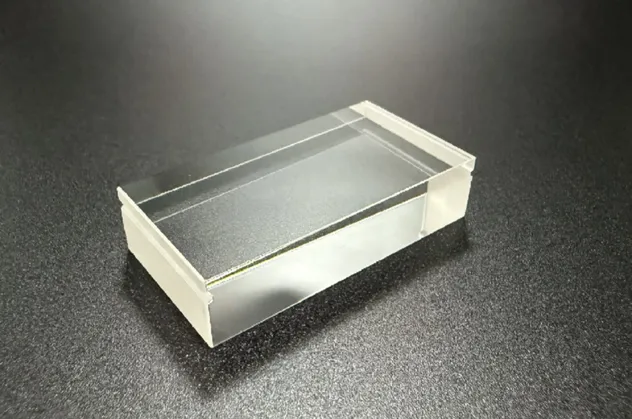
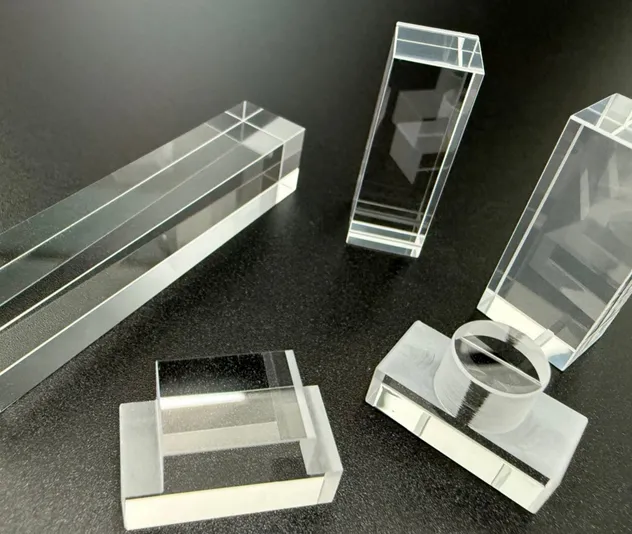
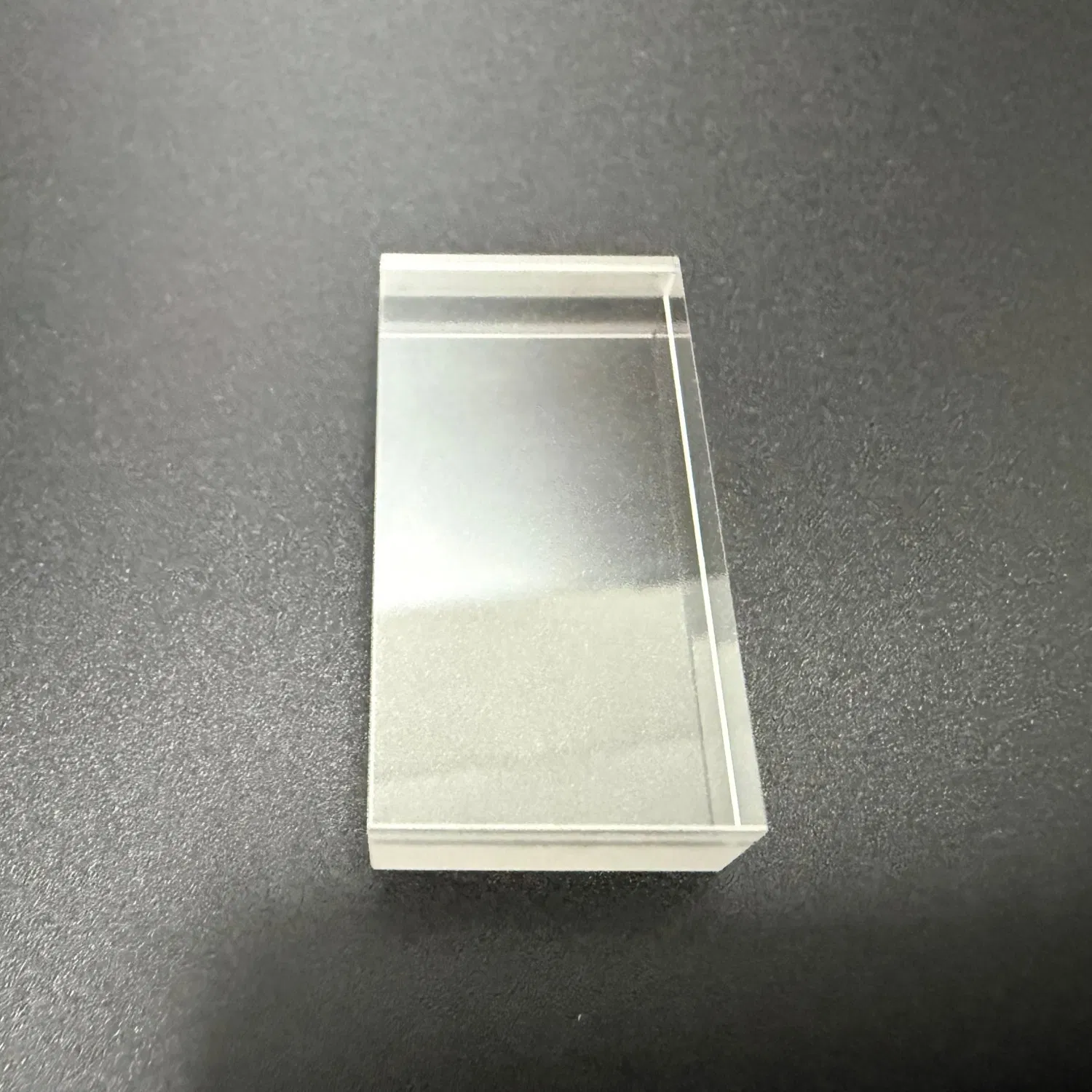
Sapphire Glass Detailed View
🚀

Application Fields

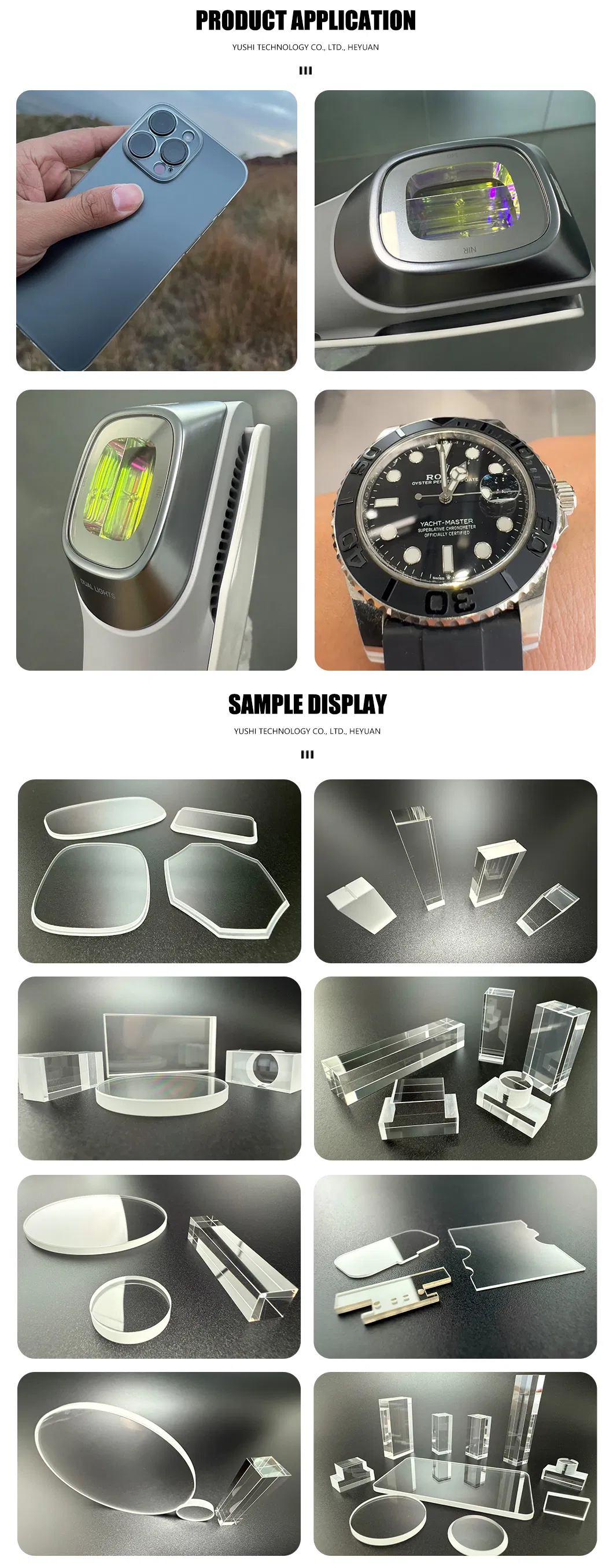
Consumer Electronics: Smartphone camera covers, smartwatch crystals, and fingerprint sensors.
Industrial & Research: High-power laser windows, vacuum viewports, and spectrometer components.
Aerospace & Defense: Missile domes, EO/IR pod windows, and periscopes.
Medical Devices: Endoscope protection lenses and surgical device windows.
Sapphire Glass Technical Drawing

Advanced Coating Options

AR Coating
Anti-Reflection, increases transmission
HR Coating
High Reflection for laser applications
AF Coating
Oleophobic/Hydrophobic (Anti-fingerprint)
ITO Coating
Conductive transparent shielding
📦

Packing & Delivery

Frequently Asked Questions

Q1: What is the spectral transmission range of your sapphire glass?
Our sapphire glass offers an exceptionally wide transmission range from 0.15 μm (Deep UV) to 5.5 μm (Mid-Infrared), making it ideal for various optical applications.
Q2: How does the hardness of sapphire glass compare to other materials?
Sapphire glass has a Mohs hardness of 9, which is second only to diamond. It provides superior scratch resistance and durability compared to standard optical glass.
Q3: Can the sapphire windows withstand extreme temperatures?
Yes, sapphire has a very high melting point of 2040 °C. It can operate at temperatures up to 1900 °C in vacuum or inert gas environments and approximately 1000 °C in air.
Q4: What types of optical coatings can be applied?
We offer various coating options including Anti-Reflection (AR) to increase transmission, High Reflection (HR) for lasers, Oleophobic/Hydrophobic for anti-fingerprint properties, and conductive ITO coatings.
Q5: Is sapphire glass resistant to chemical corrosion?
Sapphire glass is highly chemically stable and insoluble in water. It is resistant to most strong acids and bases, though it is not resistant to hydrofluoric acid (HF) or hot phosphoric acid.
Q6: What precision levels can you achieve for surface finish?
We can achieve high-precision surface finishes up to 10-5 Scratch-Dig and parallelism of less than 3 arcsec, depending on customer requirements.

Related Products