1 / 5
 MGW Glass
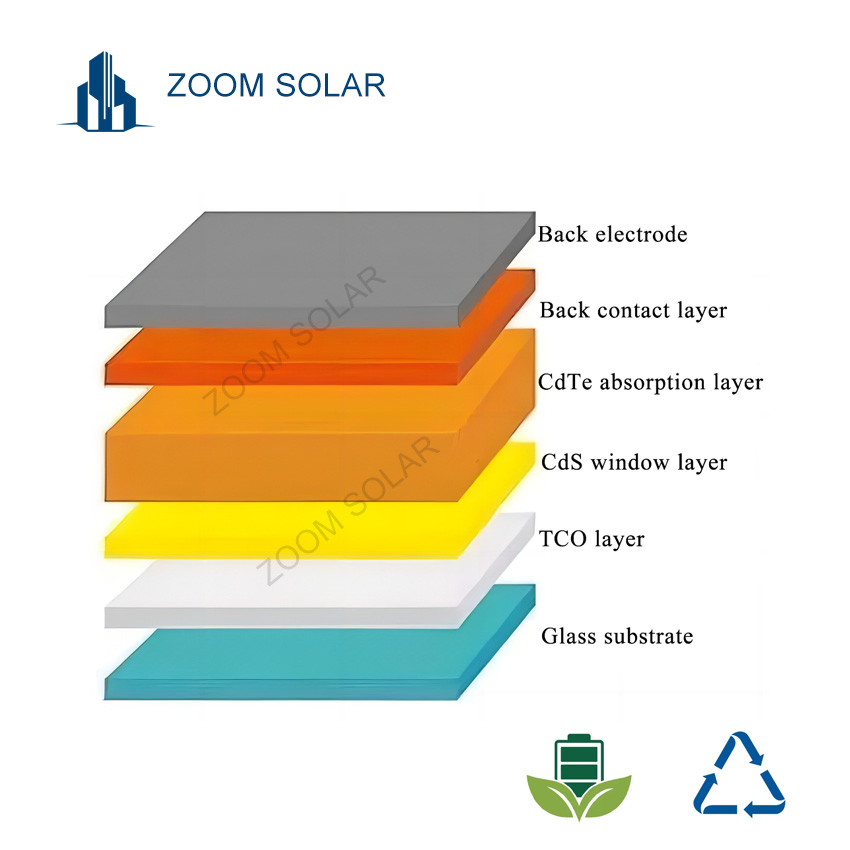
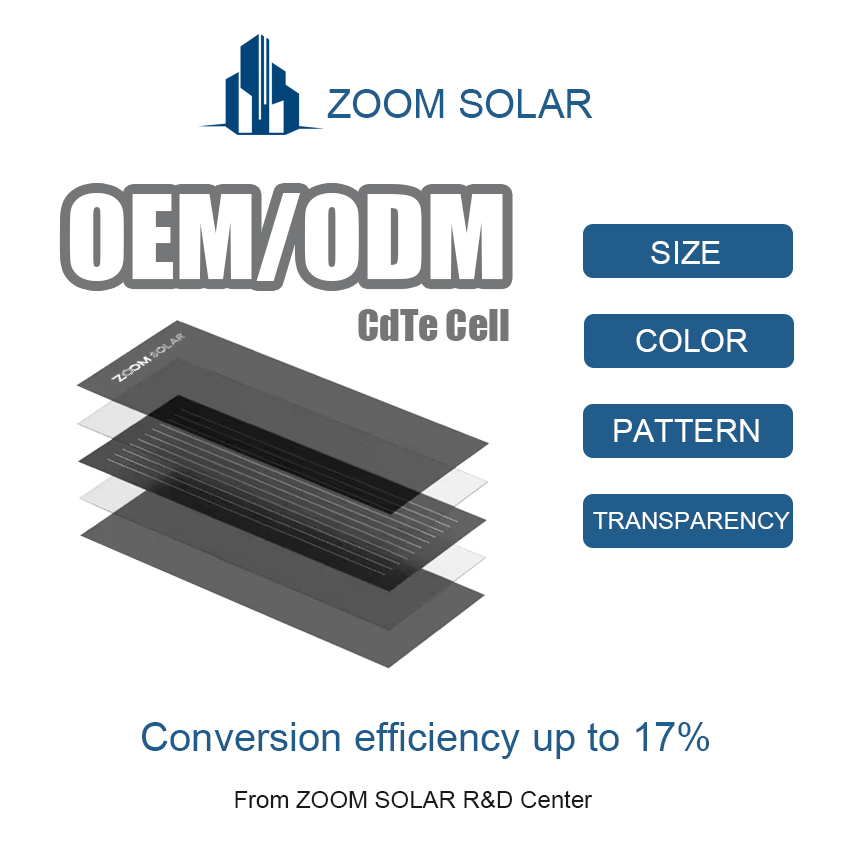
The structure of cadmium telluride thin-film solar cells is highly efficient and consists of five critical layers: the glass substrate, transparent conductive oxide layer (TCO layer), cadmium sulfide (CdS) window layer, cadmium telluride (CdTe) absorption layer, and the back contact/electrode layer.
| Application Type | Parameter Range | Scenarios | Thickness / Transmittance | Power Output |
|---|---|---|---|---|
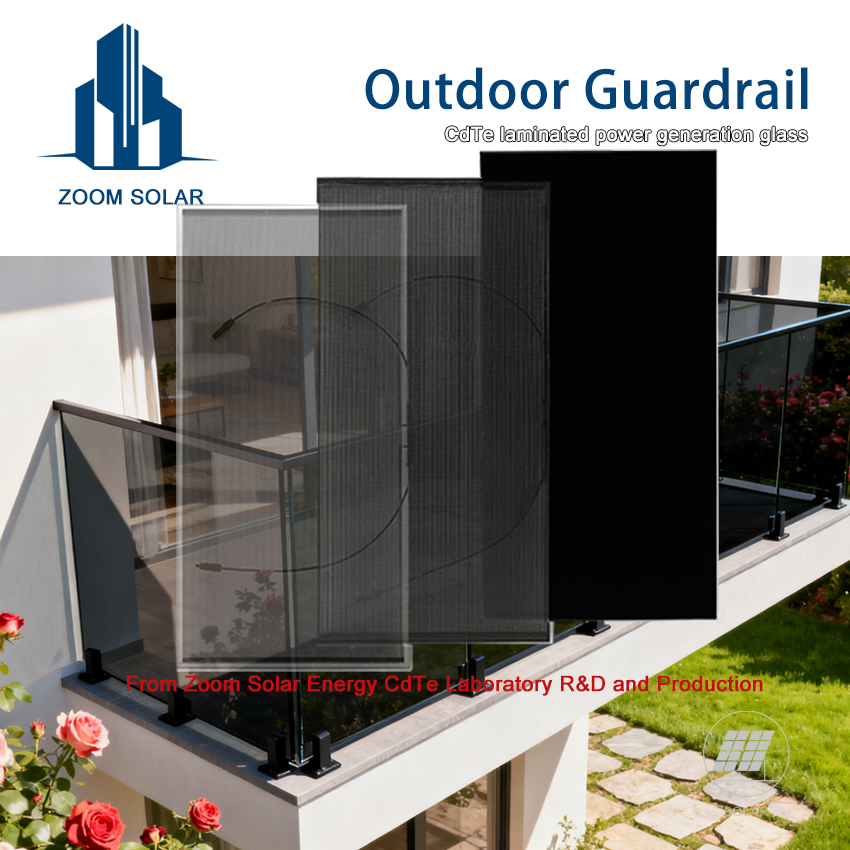
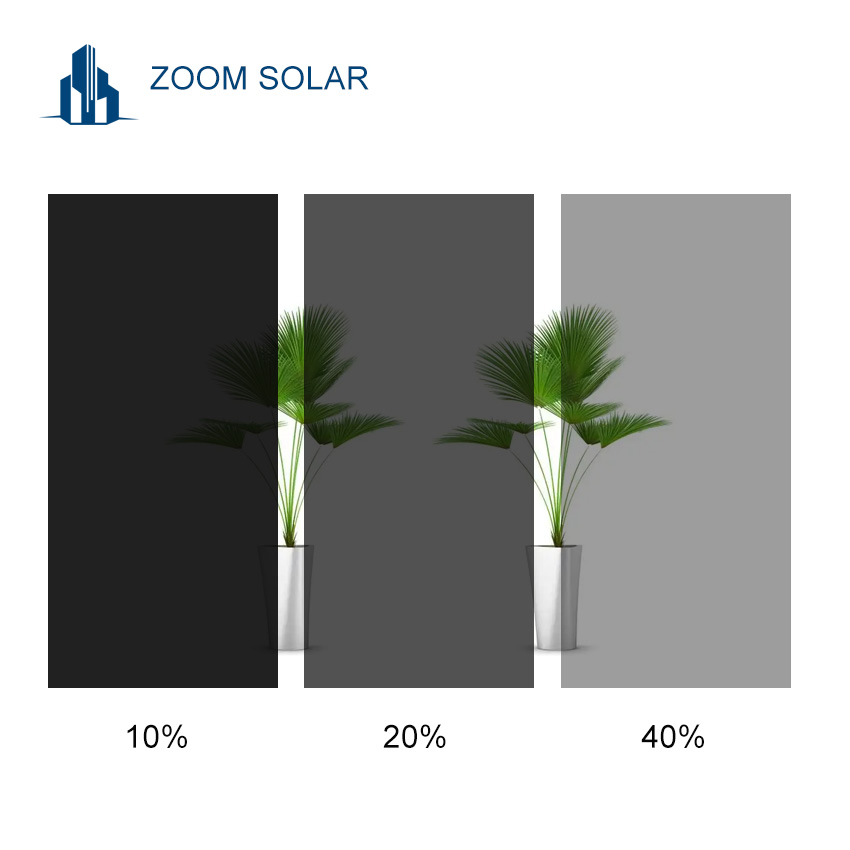
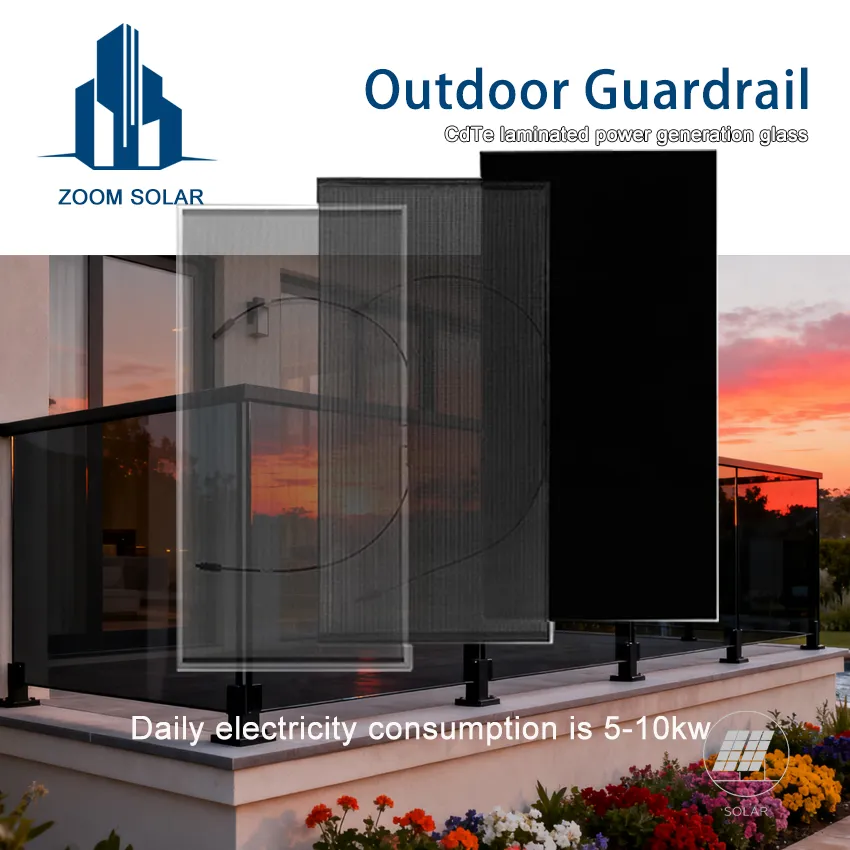
| Home | 1200×600mm to 1200×1600mm | Roofs / Balcony Railings | 10-12mm / 10%-60% | 100W-300W/unit |
| Commercial | 2400×1200mm to 3000×1500mm | Factory Walls / PV Plants | 22mm / 10%-60% | 500W-1000W/unit |
| Custom | 1000-4000mm available | Curtain Walls / Landscapes | 6-20mm / 10%-60% | Calculated by size |


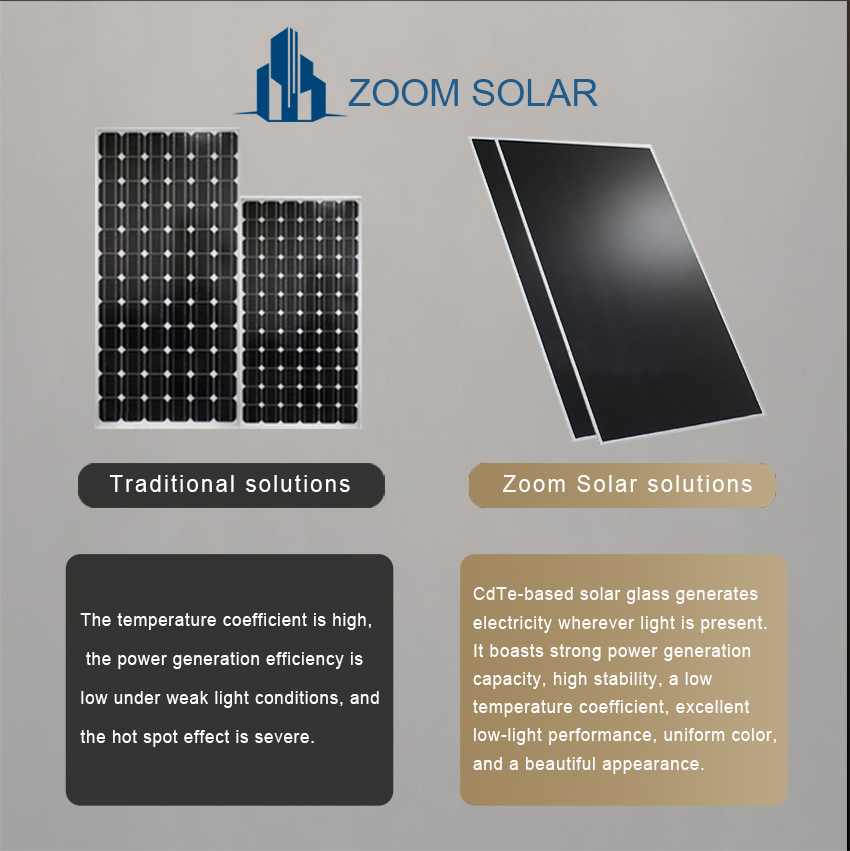
CdTe is a direct bandgap material with superior absorption. Its performance in early morning, evening, or hazy conditions is significantly better than traditional crystalline silicon cells.
The temperature coefficient is only about -0.21~0.25%/ºC, roughly half that of silicon cells. This ensures higher power generation in high-temperature environments.
With a 1.47eV bandgap width, the spectral response is highly compatible with solar light. Theoretical conversion efficiency can reach up to 28-29%.
Only a 1μm thick absorption layer is needed, significantly reducing raw material usage and manufacturing complexity for large-scale production.
Unlike crystalline silicon, CdTe does not suffer from light-induced degradation and remains stable in humid climates as it doesn't absorb water vapor peaks.
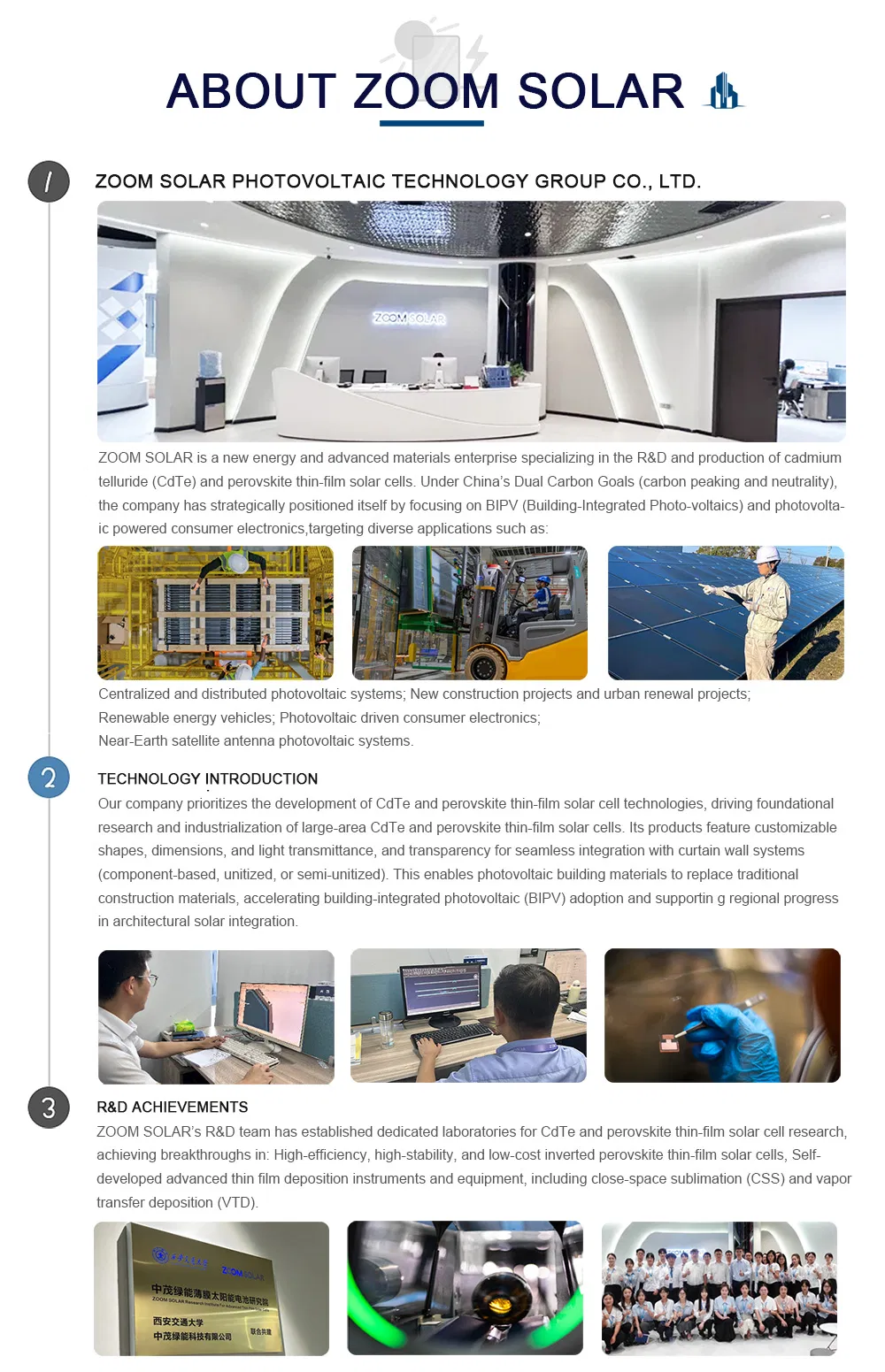
Specializing in the research, development, and production of cadmium telluride (CdTe) and perovskite thin-film solar cells. We focus on Building-Integrated Photovoltaics (BIPV) and consumer electronics, providing sustainable energy solutions for urban renewal, renewable vehicles, and centralized PV systems.