MGW Glass
MGW Glass
MGW Glass
Engineering high-performance vacuum insulated glass units tailored to withstand the intense UV levels and oceanic environment of Tarawa, Kiritimati, and the surrounding Pacific regions.
As a low-lying Pacific island nation, Kiribati faces a unique convergence of climate and economic vulnerabilities. With electricity primarily generated via imported diesel fuel, energy prices are exceptionally high, making air conditioning and indoor climate regulation one of the country's most significant operational costs. At the same time, the tropical climate delivers constant, intense solar radiation combined with near-saturated ambient humidity.
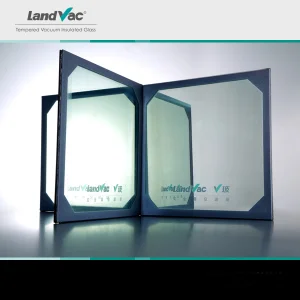
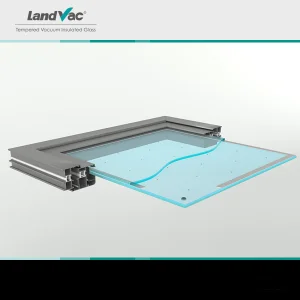
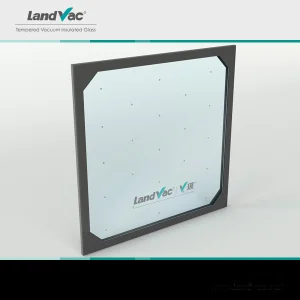
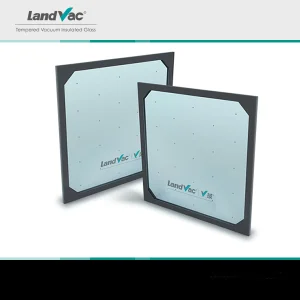
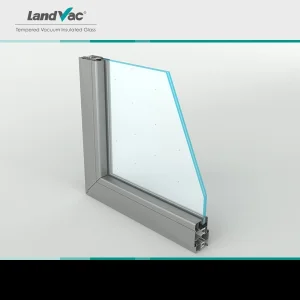
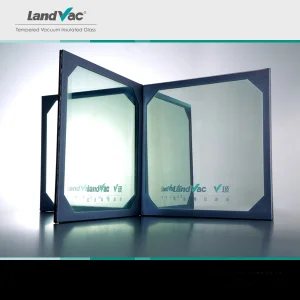
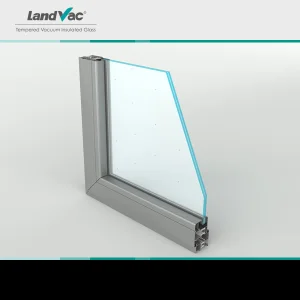
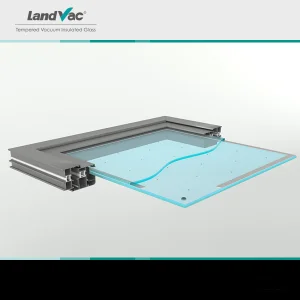
Standard architectural glazing solutions (such as single panes or conventional double-glazed units) fall short. Single panes offer virtually zero resistance to solar heat gain, while standard double glazing is prone to seal failures caused by humidity-induced pressure differentials and the corrosive marine atmosphere. Vacuum Insulated Glass (VIG) represents a paradigm shift. By maintaining a vacuum chamber ($10^{-4}$ Pa) between the two glass panes, conductive and convective heat transfers are completely eliminated. This allows buildings in South Tarawa and Kiritimati to achieve unprecedented cooling savings, reduce carbon footprints, and eliminate condensation issues permanently.
To assist structural engineers, developers, and government consultants in Kiribati, the table below provides a physical performance comparison between traditional glass technologies and the Shandong MGW Glass VIG range.
| Glazing Type | U-Value (W/m²·K) | Solar Heat Gain (SHGC) | Acoustic Insulation (dB) | Thickness & Weight Profile | Lifespan in Marine Salt Environments |
|---|---|---|---|---|---|
| Standard 6mm Monolithic Glass | 5.8 | 0.82 | 30 dB | Heavy profile per thermal performance | Subject to surface oxidation |
| Standard Double Insulated Glass (Argon filled) | 2.7 - 1.4 | 0.65 | 35 dB | 24mm+ thickness (Thick & Heavy) | Seal degradation in 5-10 years |
| MGW Tempered Low-E VIG | 0.4 - 0.6 | 0.25 - 0.40 | 39 - 43 dB | 8.3mm - 12.3mm (Ultra-Thin/Lightweight) | 20+ Years (Hermetic sealing) |
With an STC value exceeding 39dB, our vacuum glass blocks urban noise pollution in high-density developments across Betio and Bairiki.
Fully tempered panels withstand severe coastal storms and wind pressures up to 9000 Pa, offering crucial structural safety.
Specially designed silver Low-E coatings bounce away near-infrared heat while allowing natural, non-glare daylighting.
Founded in 1993, Shandong MGW Glass Technology Co., Ltd. has stood at the forefront of the architectural glass industry for over 32 years. Our core philosophy centers on working closely with global development partners, ensuring that architects and general contractors access high-tech, energy-conserving glazing systems that meet rigorous international criteria.
Over three decades, MGW Glass has established a strong legacy of innovation, completing over 200+ major project developments domestically and exporting high-performance structural glass to Europe, North America, the Middle East, Southeast Asia, and the South Pacific. With global certifications including CE, ISO, and SGCC, we deliver robust product consistency designed to withstand the test of time and climate.
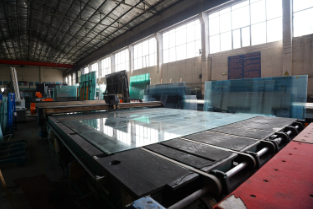
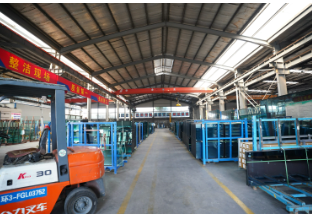
Manufacturing high-integrity VIG requires meticulous precision. At our Shandong manufacturing complex, the production line incorporates advanced CNC cutting, robotic spacer positioning, automated edge-sealing, and digital vacuum evacuation. Every batch is tested under simulated high-humidity thermal cycles to guarantee vacuum durability before leaving the factory.
Exporting to remote regions like Tarawa, Kiribati poses unique logistics challenges, including moisture buildup during maritime transit and rough sea handling. To guarantee safe delivery, MGW employs custom shipping systems:
In addition to our flagship vacuum insulated glass, Shandong MGW Glass supplies a full array of architectural glass products to support commercial, residential, and institutional projects across Kiribati:
Our technical sales team guides project developers through the entire lifecycle—from structural wind-load calculation and thermal performance modeling to architectural layouts, logistics planning, and localized installation consulting. We assist developers in integrating VIG within local structural constraints, providing complete drawings, performance certificates, and reliable engineering support.
Certified for International Projects:
Our production lines run in compliance with ISO 9001, SGCC (North America), and CE (Europe) standards, ensuring building approvals in any Pacific nation.
Select from our internationally certified range of vacuum insulation panels, engineered for various architectural, residential, and environmental demands.
Essential technical information regarding the deployment, lifetime, and logistical handling of VIG in the South Pacific.