MGW Glass
MGW Glass
MGW Glass
Optimized double and triple-glazed vacuum insulating structures engineered to withstand high UV indexes and extreme ambient heat loads.
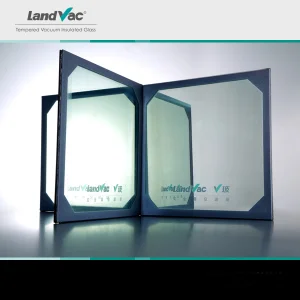
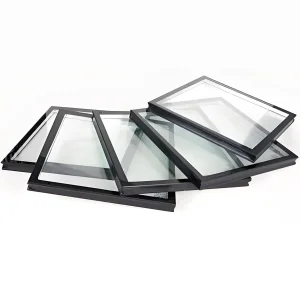
Kaédi, situated along the Senegal River in southern Mauritania, experiences an intense Sahelian climate characterized by extremely high temperatures exceeding 40°C during peak dry seasons, coupled with dry, dusty Saharan winds. As the administrative capital of the Gorgol Region undergoes modernization and infrastructural shifts, municipal projects, hospitals, and commercial sectors face a dual challenge: the necessity of climate adaptation and the soaring costs of HVAC systems.
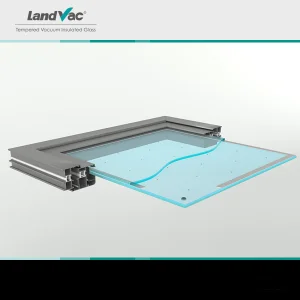
Traditional structural glazing materials fail to mitigate the intense solar heat gain coefficient (SHGC) common to West Africa. Double-glazing units filled with inert gases like argon deteriorate rapidly due to thermal stress and sealant degradation under direct ultraviolet rays. Modernizing architectural standards in Mauritania requires adopting Vacuum Insulated Glass (VIG) technology. By establishing a solid vacuum barrier (10-4 Pa) between glass panes, conduction and convection heat pathways are virtually eliminated, achieving thermal isolation benchmarks that standard glass assemblies simply cannot match.
Shandong MGW Glass Technology Co., Ltd. provides customized export solutions designed specifically for Sahelian logistics corridors, ensuring that high-performance tempered VIG reaches Kaédi site installations with maximum durability guarantees.
Under the hood of advanced glass science: micro-spacer arrays, metal-edge seal longevity, and low-E performance under high ambient thermal stress.
Standard double glazing yields a U-value of approximately 2.8 W/(m²·K). Our single-cavity VIG solutions drop this coefficient to 0.47 W/(m²·K). This represents a thermal transmission reduction of over 80%, substantially cutting the operational power requirements of commercial HVAC installations in desert environments.
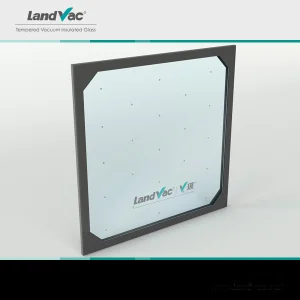
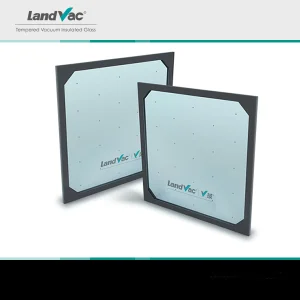
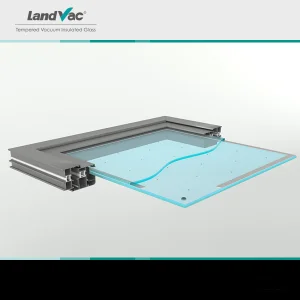
To resist atmospheric pressures of nearly 10 tons per square meter on the vacuum cavity, high-precision metallic micro-spacers are systematically arranged between the panes. Spaced at optimized intervals, these micro-pillars preserve structural integrity without introducing visible grid lines or compromise in transparency.
Safety is critical for public infrastructures in Kaédi. Our VIG incorporates fully tempered safety glass on both sides. Unlike traditional heat-strengthened options, our tempered VIG offers superior mechanical load capacity and shatters into harmless blunt fragments in case of high-velocity impacts.
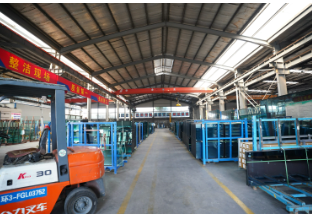
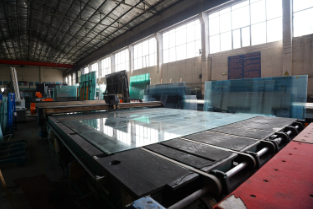
Established in 1993, Shandong MGW Glass Technology Co., Ltd. has established itself as an industry leader in high-performance architectural glass manufacturing. Over the past 32 years, our operations have evolved to prioritize research, development, and high-precision production. By integrating advanced production equipment—including CNC cutting platforms, double-edge grinding machines, and automated vacuum tempering lines—we ensure that every VIG module matches stringent international quality requirements.
We provide comprehensive export services to Mauritania, coordinating shipping logistics from leading ports directly through West African sea freight lanes. Our technical team handles site-specific configurations, acoustic analysis, wind-load calculation reviews, and provides structural drawings to facilitate trouble-free installations on site in Kaédi.
Our processing facility holds CE (European Conformity), SGCC (Safety Glazing Certification Council), and ISO 9001 certifications, validating that our products consistently deliver reliability and performance under intense hot-climate conditions.
A comparative overview of thermal, acoustic, and structural characteristics for high-temperature applications.
| Glass Configuration Type | Typical U-Value [W/(m²·K)] | Thickness Profile (mm) | Acoustic Rating (dB) | Structural Service Life under High UV |
|---|---|---|---|---|
| Monolithic Safety Glass (6mm) | 5.8 | 6 mm | ~29 dB | Indefinite (Low insulation) |
| Standard Double Glazing (6+12A+6) | 2.7 - 2.9 | 24 mm | ~32 dB | 8-12 Years (Argon leakage common) |
| Triple Low-E Insulated Glazing (4+9A+4+9A+4) | 1.3 - 1.6 | 30 mm | ~36 dB | 10-15 Years (Sealant degradation risks) |
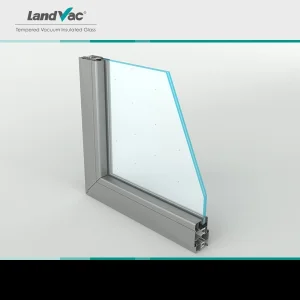
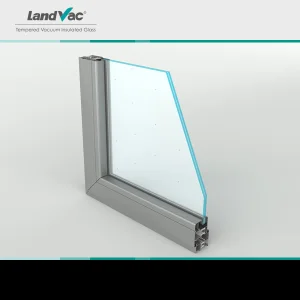
| Tempered VIG (8.3mm Slim Profile) | 0.4 - 0.6 | 8.3 mm | >39 dB | 20+ Years (Metal edge-welded seal) |
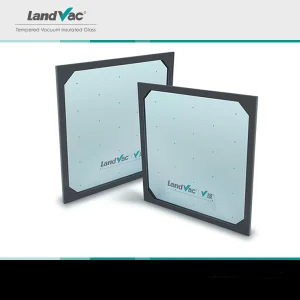
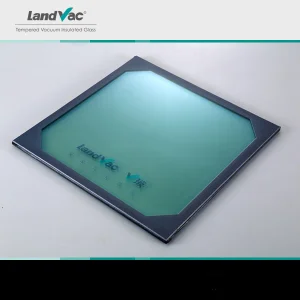
A complete selection of high-efficiency vacuum insulated glass solutions, customizable for commercial facades, passive houses, and industrial refrigeration projects in Kaédi.
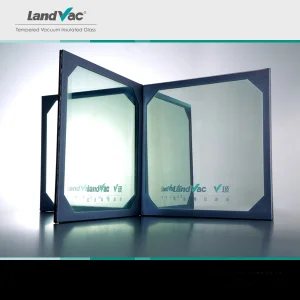
How our manufacturing team addresses long-term pressure retention under intense thermal strain.
To eliminate heat conduction via air molecules, the internal pressure between the double glass layers is reduced to 10-4 Pa. Our automation line ensures gas extraction takes place under strict thermal conditions to prevent structural weaknesses.
High temperatures can compromise organic sealants. We utilize inorganic glass-to-metal solder-alloy fusion around the perimeter. This hermetic seal structure prevents gas penetration or moisture intrusion, even when exposed to high solar radiation.
With outside temperatures in Kaédi reaching over 45°C while interior temperatures are kept around 20°C, the inner and outer glass panes experience differential thermal expansion. Our glass configurations feature engineered tempering profiles that safely manage this structural strain.
High-durability configurations supporting long lifespans in demanding environmental conditions.
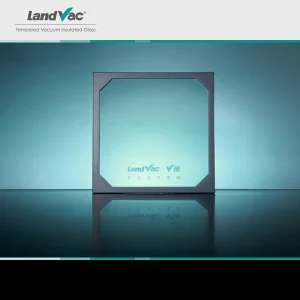
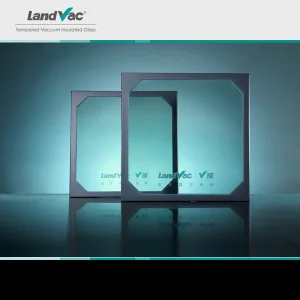
Acquiring advanced building materials in regional hubs like Kaédi demands reliable supply chains and robust logistics planning. Shandong MGW Glass Technology Co., Ltd. coordinates secure containerized packing (using customized, moisture-resistant sea-freight wooden crates with desiccant systems) to protect products from humidity changes and physical strain during transport.
Our shipping department handles routing from Chinese ports directly to Nouakchott Port (Autonomous Port of Nouakchott). From Nouakchott, we coordinate inland transport with local logistics providers via key road routes straight to construction locations in Kaédi, keeping transit times predictable and reducing structural handling risks.
Every VIG panel undergoes helium leak detection checks and interferometry tests to confirm the vacuum seal before leaving the factory. Packing materials are reinforced to prevent shifting on rough road routes.
Because VIG cannot be cut or adjusted on site, we verify dimension drawings in CAD before production starts. We also supply installation manuals and guide local installers on how to handle the sealing valves.
Common questions regarding the application, durability, and selection of Vacuum Insulated Glass for West African climates.
Connect with our technical engineering department for energy-saving estimates, U-value calculation reviews, custom glazing drawings, and export quotes tailored for the Mauritanian market.