MGW Glass
MGW Glass
MGW Glass
Engineered for extreme solar resistance, passive thermal insulation, and exceptional architectural versatility.
Namibia presents one of the most demanding climatic footprints in Southern Africa. Blessed with abundant, high-intensity solar radiation—exceeding an average solar radiation of 3,000 hours annually—and subject to harsh diurnal temperature swings, regional infrastructure developments are increasingly confronting a strict mandate for energy-efficient building envelopes. In major metropolitan areas such as Windhoek, and rapidly expanding economic clusters along the coastal zones of Swakopmund and Walvis Bay, traditional building practices are being updated to address rising utility costs, strain on the national power grid, and environmental standards aligned with the Green Building Council Namibia (GBCNA).
The local challenge is twofold:
Inland regions experience high daytime temperatures and rapid night-time cooling. Buildings require responsive insulation that minimizes thermal transfer in both directions—blocking incoming heat during peak sun hours and retaining indoor warmth during cold desert nights.
Coastal centers endure dynamic moisture loads, salt-laden marine air, and unique condensation profiles. Standard double-glazed units often suffer from edge seal degradation under prolonged UV exposure combined with coastal wind pressure, leading to fogging and system failure.
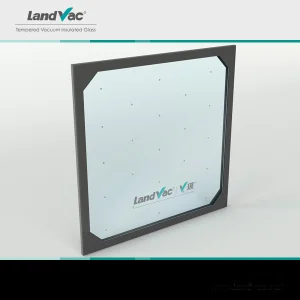
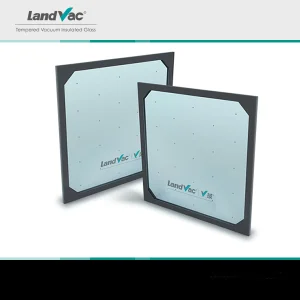
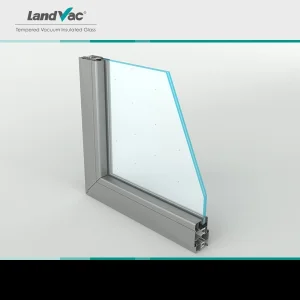
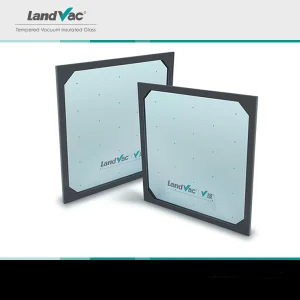
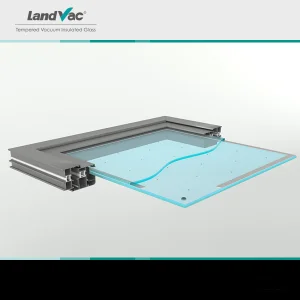
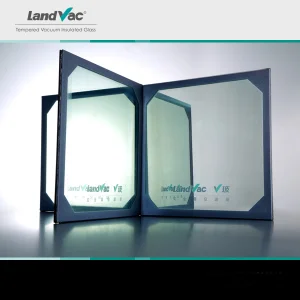
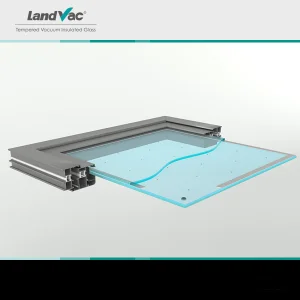
Global architectural and engineering trends show a clear move toward Vacuum Insulated Glass (VIG). Unlike standard Double Glazing Units (DGU) or Triple Glazing Units (TGU) that rely on gas buffers (like Argon or Krypton) to limit heat conduction, VIG removes the air between the glass sheets entirely. By maintaining an internal vacuum of 10⁻⁴ Pa, VIG virtually eliminates conductive and convective heat transfer. The resulting center-of-glass U-value is reduced to 0.4 - 0.6 W/(m²·K), matching the performance of solid insulated walls while remaining as slim as a single pane of standard safety glass.
As a leading Chinese designer and deep-processor of architectural glass, Shandong MGW Glass Technology Co., Ltd. (established in 1993, with 32 years of industry experience) has built production processes that address supply chain issues for international buyers.
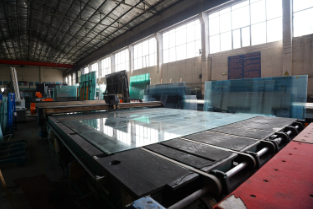
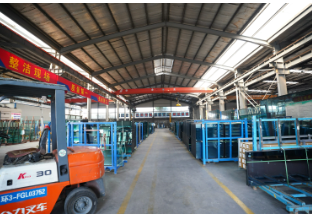
Chinese manufacturing leads the world in VIG technology due to an integrated industrial supply chain, advanced float glass sourcing, and automated vacuum production lines. Producing high-yield tempered VIG requires precision to prevent glass breakage during the tempering and high-vacuum sealing steps. Shandong MGW Glass Technology uses advanced CNC cutting, double-edge grinding, automated washing, and precise tempering systems to produce flat, tough glass panels that withstand extreme environments.
Our high-speed laser edge welding and low-temperature alloy metal sealing techniques ensure that our VIG panels maintain their vacuum for a long service life. By sourcing premium raw materials directly and utilizing automated machinery, we provide high-performance glass products at prices that fit B2B project budgets.
Shandong MGW Glass Technology Co., Ltd. — Delivering global-standard architectural glass since 1993.
For over 32 years, we have designed and manufactured deep-processed architectural glass products. Our goal is to work closely with local and international partners to help customers complete projects successfully.
We have completed more than 200 projects across China and developed a strong international footprint. Our glass products are exported to Europe, the Americas, the Middle East, Southeast Asia, and Africa. Certified under CE, ISO, and SGCC, our products meet high safety and quality standards.
With 32 years of history, our engineers review configurations, help prevent glass breakage, control cost targets, and ensure clean structural integration.
We use CNC cutting systems, double-edge grinders, water-jets, and glass tempering furnaces to process custom shapes and sizes while keeping tolerances within +/- 0.5mm.
Each sheet of glass undergoes strict quality checks before packing. Our products carry CE, SGCC, and ISO certifications to ensure reliable performance on site.
Compare VIG with standard double and triple glazing systems under regional climate conditions.
| Glazing Type | Nominal Thickness (mm) | U-Value (W/m²·K) | Solar Heat Gain (SHGC) | Sound Transmission Loss (dB) | Weight Saving (%) |
|---|---|---|---|---|---|
| Monolithic Glass (6mm) | 6 | 5.8 | 0.82 | 30 | Baseline |
| Standard DGU (6mm + 12A + 6mm) | 24 | 2.7 - 2.8 | 0.62 | 34 | 0% (Doubled Weight) |
| Low-E Triple Glazing (4mm + 9A + 4mm + 9A + 4mm) | 30 | 1.6 - 1.8 | 0.45 | 37 | +50% Weight Penalty |
| Tempered VIG (8.3mm Slim Variant) | 8.3 | 0.5 - 0.6 | 0.38 - 0.42 | 39 - 41 | Save up to 50% vs TGU |
| VIG Hybrid DGU (VIG + 12A + Tempered) | 22.3 | 0.3 - 0.4 | 0.28 - 0.35 | 43 - 45 | Save up to 30% vs TGU |
*Note: The U-value measures heat loss, where lower is better. Vacuum Insulated Glass achieves low thermal transfer in a slim profile, helping developers reduce structural load requirements for facades.
How local engineers, developers, and architects can utilize high-performance VIG panels.
High-rise commercial properties in Windhoek face significant solar heat gain. Utilizing VIG panels in curtain walls helps meet local energy codes, lowers air conditioning loads, and provides high daylight transmission with minimal heat transfer.
Coastal environments require durable materials. Shandong MGW's edge-sealing technology keeps the vacuum chamber airtight, protecting it from corrosion by salt spray, high moisture levels, and UV exposure.
For eco-resorts in the Namib Desert, power is generated on-site. Low-U-value VIG glazing keeps interiors comfortable without over-allocating generator resources, supporting passive heating and cooling designs.
Whether upgrading existing buildings in Windhoek or designing new coastal developments, customized VIG solutions help control thermal gains and energy consumption.
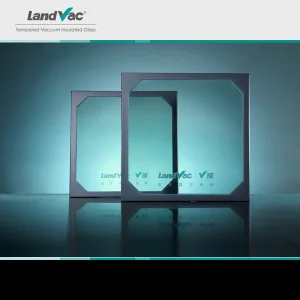
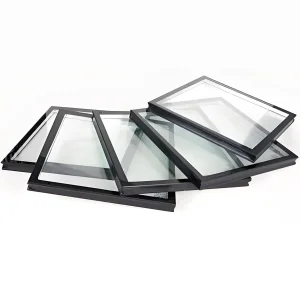
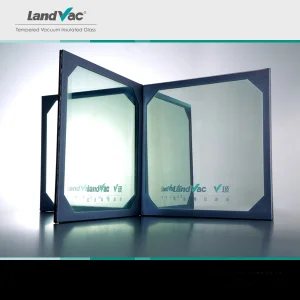
Explore our range of tempered, certified safety vacuum glass styles. Custom size processing available.
Technical and logistical insights for architects, developers, and project managers.
Contact our technical sales team for drawing evaluations, custom thermal configurations, and CIF Port of Walvis Bay pricing. We provide design support and supply security for projects of all sizes.
Send Inquiry Now