MGW Glass
MGW Glass
MGW Glass
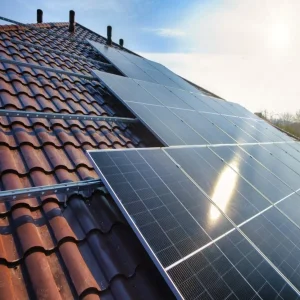
Rome, the "Eternal City," stands at a unique crossroads of history and the future. As the European Union tightens its Energy Performance of Buildings Directive (EPBD), the Rome market is witnessing a tectonic shift toward Net-Zero Energy Buildings (NZEB). Unlike traditional solar farms, Building Integrated Photovoltaics (BIPV) offer the only viable path for Rome’s dense urban landscape to generate renewable energy without compromising architectural integrity.
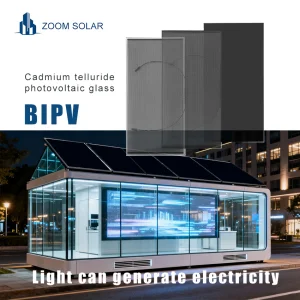
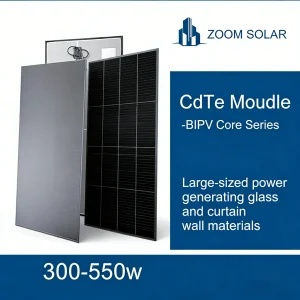
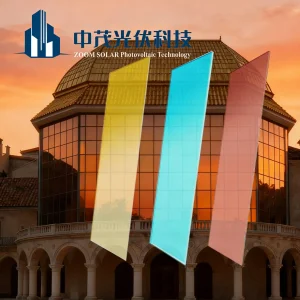
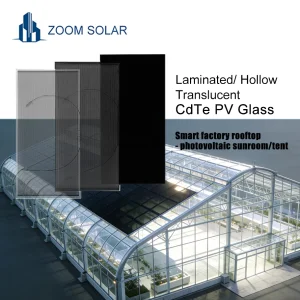
For the Rome market, the choice between Cadmium Telluride (CdTe) and Copper Indium Gallium Selenide (CIGS) is critical. Rome experiences high solar irradiance but also significant urban heat island effects. Our CdTe thin-film modules maintain superior efficiency at high temperatures compared to standard silicon, making them ideal for the Roman summer.
As a premier BIPV glass exporter, Shandong MGW Glass Technology Co., Ltd. addresses the complexity of global supply chains. Procurement managers in Rome require more than just a product; they require a holistic energy solution. Our service includes structural wind-load calculations, electrical string design, and seamless integration with existing Building Management Systems (BMS).
We offer Information Gain to our partners by providing deep-dive data on U-values, SHGC (Solar Heat Gain Coefficient), and acoustic insulation properties that are specific to the Mediterranean climatic zone. Our BIPV glass isn't just a generator; it is a high-performance building envelope component.
Navigating the regulatory landscape in Italy requires strict adherence to UNI standards and European CE marking. MGW Glass ensures that every shipment to Rome meets:
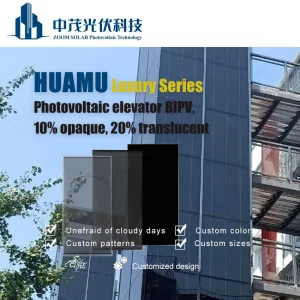
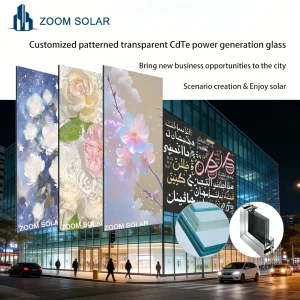
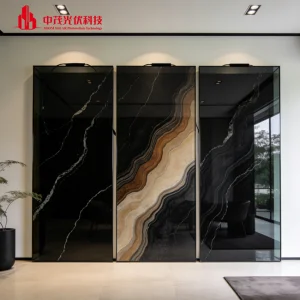
Our localization strategy includes dedicated technical support for Roman architectural firms, assisting in the CAD/BIM integration phase to ensure that the photovoltaic aesthetic matches the local travertine and marble textures through customized stone-patterned CdTe glass.
The future of BIPV in Rome lies in Dynamic Transparency and Bifacial Absorption. MGW is currently R&D-ing next-generation "Smart BIPV" that adjusts its shading coefficient based on real-time solar intensity. For Rome's industrial exporters, this means lower operational costs and a significant leap toward ESG (Environmental, Social, and Governance) goals.
We anticipate a massive adoption of BIPV in Rome's transport infrastructure—solar-integrated sound barriers for the A90 Grande Raccordo Anulare and energy-generating facades for the upcoming Metro expansion projects.
BIPV replaces traditional building materials (like windows or cladding), saving on material costs while generating energy. In Rome, where roof space is limited and aesthetic regulations are strict, BIPV allows for vertical energy generation that blends into the facade.
Yes. Our glass is triple-tempered and laminated, certified for high wind loads. Thin-film technology (CdTe) specifically performs better than crystalline panels in the high-temperature environments typical of Italian summers.
Depending on local incentives and energy prices, most commercial projects see a return on investment within 5-8 years, considering the dual function of the glass as both a building envelope and a power source.
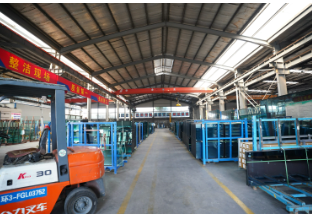
Founded in 1993, Shandong MGW Glass Technology Co., Ltd. has specialized in building glass for more than 32 years. Our goal is to work closely with partners to help customers achieve greater success in multiple fields.
With 32 years of development and continuous improvement, MGW Glass not only builds a strong brand but also delivers high-quality products and constant innovation. In China, MGW Glass has completed more than 200+ projects. Internationally, our glass products are exported to Europe, America, the Middle East, West Asia, Southeast Asia, and more.
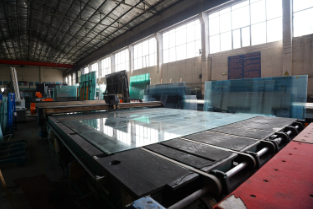
Experienced Team: Over 30 years understanding projects in-depth, reducing risks, and saving costs.
High-Precision Equipment: CNC cutting, double-edge grinding, and advanced tempering lines for exact Roman architectural specs.
Strict Quality Control: Every step undergoes rigorous inspection with CE, SGCC, and ISO certifications.