MGW Glass
MGW Glass
MGW Glass
Engineered to meet the exact thermal, mechanical, and safety demands of modern coastal construction projects in Seychelles.
Mitigating relentless tropical heat, intense UV rays, and high salinity in coastal East Africa.
The Republic of Seychelles, an archipelago of 115 islands in the western Indian Ocean, experiences a tropical rainforest climate characterized by high humidity, constant temperatures ranging from 24°C to 32°C, and intense, direct equatorial solar radiation. For architectural projects in Mahé, Praslin, and La Digue, this environmental profile translates directly into severe energy consumption challenges. Buildings relying on conventional monolithic float glass quickly become heat traps due to the greenhouse effect, placing a tremendous load on local electrical grids and HVAC systems.
Moreover, the proximity to ocean winds exposes external structures to continuous salt spray and atmospheric chlorides, accelerating material degradation. Under these extreme conditions, standard glazing materials suffer from thermal cracking and fail to prevent the intrusion of high heat energy. Low-E (Low-Emissivity) glass is no longer an optional luxury in the Seychelles; it is a fundamental design requirement to ensure environmental sustainability, indoor comfort, and compliance with modern eco-tourism construction protocols.
Low-E glass uses microscopically thin, transparent coatings of metal oxides (typically silver) to selectively filter solar radiation. While allowing high levels of natural visible light to illuminate interiors, it reflects the long-wave infrared radiation (heat energy) and filters out destructive UV rays. This significantly lowers the Solar Heat Gain Coefficient (SHGC), ensuring the heat stays out while daylight comes in.
Deciphering the technological evolution of Double/Triple Silver Coatings and Gas-Filled IGUs.
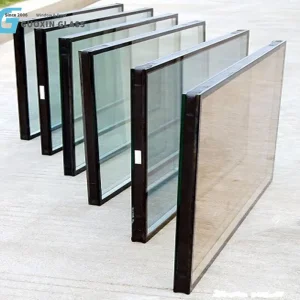
Offline magnetron sputtering technology (soft coat) allows multiple nano-layers of silver to be applied in clean rooms, yielding exceptionally low U-values and customizable shading coefficients ideal for tropical resorts.
By filling the cavity of double or triple-glazed units with high-density Argon or Krypton gas and employing warm-edge spacers, we minimize convective heat transfer through the frame and glass edge.
Combining Low-E technology with multi-layer PVB or SentryGlas (SGP) interlayers creates bulletproof, acoustic-dampening, and hurricane-resistant glazing solutions suitable for high-end coastal properties.
In the macro flat glass industry, technological innovation is focused on enhancing Visible Light Transmission (VLT) while lowering the U-factor. For equatorial regions like the Seychelles, triple silver Low-E products represent the pinnacle of active solar control. These configurations block up to 95% of solar infrared heat radiation compared to standard clear glass, ensuring that massive architectural glazing elevations do not cause mechanical chilling units to fail from overload.
Providing technical solutions for luxury hospitality, eco-friendly private villas, and high-rise commercial structures.
Seychelles is renowned for its world-class luxury eco-tourism. Resorts in isolated locations need self-sustaining energy systems. Our high-performance Low-E insulated glass units (IGUs) minimize thermal heat gain, allowing these properties to operate efficiently on local solar power or micro-grids. The inclusion of low-iron glass options ensures that stunning views of coral reefs and turquoise oceans are captured with maximum color fidelity and zero green distortion.
During monsoon periods, high winds and flying debris present a major structural risk to buildings facing the ocean. By laminating tempered Low-E glass with high-tear-resistant interlayers, we produce safety glazing units that withstand wind pressures and prevent shards from entering the building structure if impacted. This makes our products ideal for panoramic balconies and storefronts across Victoria Port and coastal developments.
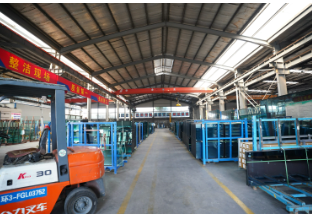
Over three decades of precision glass fabrication and global supply logistics.
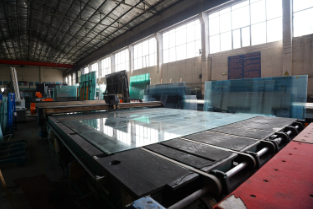
Founded in 1993, Shandong MGW Glass Technology Co., Ltd. has specialized in deep-processing building glass for more than 32 years. Our objective is to collaborate closely with global structural engineers, contractors, and architects to realize complex, high-performance glazing installations.
With 32 years of persistent quality optimization and continuous technological improvement, MGW Glass has established a strong brand footprint. In China, we have successfully delivered more than 200+ major commercial projects. Internationally, our premium glass products are exported to Europe, the Americas, the Middle East, West Asia, Southeast Asia, and island nations like the Seychelles. We deliver premium quality, competitive pricing structures, and comprehensive technical consultation services.
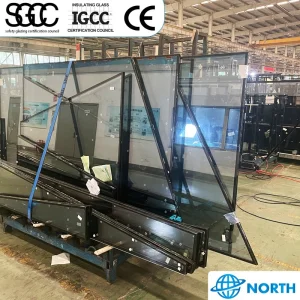
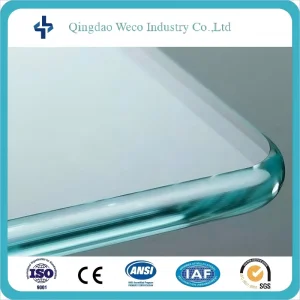
We are a deep-processed architectural glass manufacturer backed by international certifications including CE (Europe), SGCC (USA), ANSI (North America), and ISO 9001 (Global Quality Management Systems).
Our structural engineers analyze project wind loads, thermal stress risks, and optical configurations to eliminate on-site risks and prevent costly structural adjustments.
Equipped with high-precision CNC cutting tables, double-edge grinders, automatic water-jet cutting machines, and state-of-the-art convection tempering furnaces.
From checking raw float glass incoming sheets to conducting final inspection before loading into custom heat-treated wooden crates, we guarantee defects are minimized.
A complete selection of advanced glass options engineered for strength, safety, and acoustic insulation.
Need a custom OEM or project-specific configuration for a Seychelles development?
Our engineers work directly with your architectural drawings (CAD/DWG files) to ensure correct glass positioning and structural performance.
Request Custom Glazing ProposalEnsuring damage-free sea transit and customs clearance at Port Victoria.
Shipping architectural glass to an island nation like the Seychelles demands expert packaging and logistics management. At MGW Glass, we leverage over 20 years of export experience to secure products against the forces of ocean transit. We use heavy-duty, moisture-resistant plywood crates with individual cork protective pads separating each glass pane. High-absorption desiccant packets are distributed within the packaging to prevent clouding or moisture degradation in humid marine transit corridors.
Our logistical teams handle all stages of delivery from our production plants to the container ships, routing cargo through optimal transit lines to minimize handling at intermediate transshipment hubs. We provide comprehensive documentation packages for Seychelles Customs, including certificates of origin, quality test reports (CE & SGCC standard sheets), packing lists, and detailed Bills of Lading to guarantee a smooth import process.
Emerging technologies in eco-friendly building envelopes.
Dynamically altering tint levels in response to electrical voltage. This active control enables glass facade surfaces to adjust to solar radiation in real-time, dramatically cutting mechanical cooling energy consumption during peak midday hours in Seychelles.
Eliminating convective gas layers completely by creating a high-performance vacuum seal between two glass panes. VIG achieves insulation ratings comparable to solid masonry walls, while remaining lightweight and thin.
Integrating thin-film photovoltaic elements directly into transparent or semi-transparent Low-E panels. This turns the building envelope from a passive protector into an active power-generating asset.
Select configurations for architectural safety, solar control, and insulation requirements.
Additional custom solutions designed to complete complex architectural envelopes.
Technical calculations, environmental compliance, and deployment queries answered by our senior engineers.
Standard float glass allows up to 84% of solar energy to enter building interiors directly, leading to severe thermal gains in Seychelles' tropical marine climate. This forces HVAC units to work continuously. High-performance Low-E glass features micro-coatings of silver that reflect solar near-infrared (NIR) and long-wave infrared heat energy. Upgrading from standard float to Low-E insulated glass units (IGUs) reduces heat transfer by over 70% and lowers HVAC energy costs by up to 40%.
Soft-coat Low-E coatings are vulnerable to atmospheric oxidation, moisture, and salt spray. To protect the performance layers in coastal environments like Seychelles, the Low-E coating is positioned on the internal faces of double or triple-glazed units (typically Surface #2 or Surface #3). Hermetically sealing the glass unit with secondary silicone seals and structural PIB spacers prevents ambient humidity and corrosive salt air from reaching the coating, maintaining long-term energy-saving performance.
The difference lies in the number of silver layer applications and optical performance properties. Double-silver Low-E has two independent silver layers, which lowers the Solar Heat Gain Coefficient (SHGC) while maintaining high visible light. Triple-silver Low-E (often used in modern commercial facades) contains three layers. This blocks up to 95% of solar infrared heat energy. For resort projects in Victoria requiring large window areas and low thermal loads, triple-silver offers optimal performance.
We pack glass panels vertically in custom-built, heavy-duty wooden crates braced with steel banding. Cork dividers prevent glass-to-glass contact, and moisture-absorbing silica gel is included in each package. Crates are secured within standard shipping containers to prevent movement during ocean transit, ensuring that delivery to Victoria Port, Seychelles arrives without damage.
Developers in Seychelles typically align with British, European, or South African building standards. Our products meet or exceed these requirements, carrying certifications such as European CE (EN 1279 for insulated glass), US SGCC/ANSI Z97.1 (for laminated safety glass), and ISO 9001. We provide full testing documentation to assist with local Seychelles Planning Authority approvals.
Yes, Low-E glass can be combined with PVB or high-strength SGP (SentryGlas) interlayers in a laminated glass assembly. This configuration provides solar heat control alongside impact resistance. During high-wind events or debris impacts, the laminated glass may crack but will remain adhered to the plastic interlayer, preventing structural wind intrusion and water damage.
Contact our technical sales team for architectural glass specifications, custom sizing, wind-load analysis, and project-based pricing for Seychelles developments.
Send Inquiry Now