MGW Glass
MGW Glass
MGW Glass
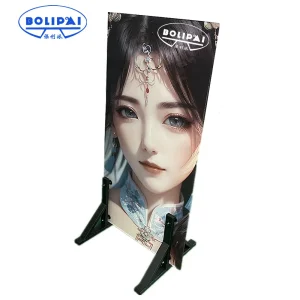
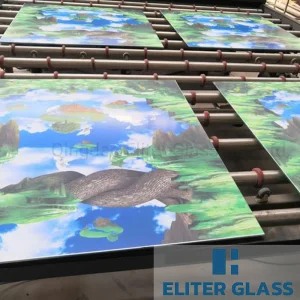
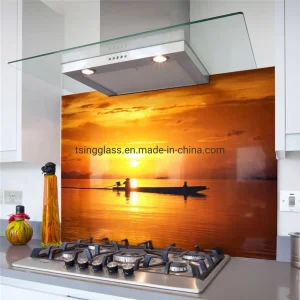
The Brazilian glass industry has undergone a massive transformation over the last decade. As one of the largest economies in South America, Brazil, specifically in industrial hubs like São Paulo, Curitiba, and Belo Horizonte, has seen a surge in demand for high-end decorative glass. Digital print glass technology is at the forefront of this movement, replacing traditional screen printing with its ability to produce photorealistic images and intricate patterns on glass surfaces.
In Brazil's tropical climate, durability is paramount. Digital ceramic printing is particularly favored by Brazilian architects because the inks are fused into the glass during the tempering process, making them resistant to heavy rain, high UV radiation, and salt air in coastal cities like Rio de Janeiro and Recife. From luxurious beachfront villas to massive commercial skyscrapers, digital print glass is becoming the "gold standard" for durable aesthetics.
Brazil's civil construction sector is increasingly adopting "Glass-Skin" facades, driving the need for local factories that can provide fast-turnaround digital printing services.
Digital glass allows for the integration of local Brazilian art and patterns into public spaces, metro stations, and corporate lobbies, celebrating national identity.
Modern Brazilian buildings prioritize thermal comfort. Digital printing helps in controlling solar heat gain while maintaining natural light levels.
As a leading Digital Print Glass Manufacturer, we have observed several key trends shaping the Brazilian market in 2024 and beyond:
Our factory utilizes state-of-the-art Israeli and European printing technology, ensuring that every piece of glass meets the strict ABNT (Brazilian Association of Technical Standards) requirements for safety and quality.
Founded in 1993, Shandong MGW Glass Technology Co., Ltd. has specialized in building glass for more than 32 years. Our goal is to work closely with partners to help customers achieve greater success in multiple fields.
With 32 years of development and continuous improvement, MGW Glass not only builds a strong brand but also delivers high-quality products and constant innovation. In China, MGW Glass has completed more than 200+ projects. Internationally, our glass products are exported to Europe, America, the Middle East, West Asia, Southeast Asia, and notably, we have a growing footprint in the Brazilian construction market.
Standard safety glass for Brazilian balconies and storefronts.
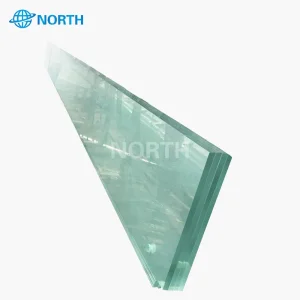
Essential for high-security applications and soundproofing in noisy urban areas.
Double & Triple glazing for energy efficiency in air-conditioned environments.
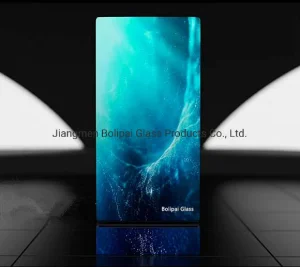
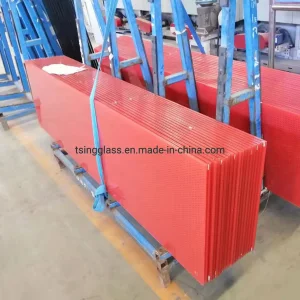
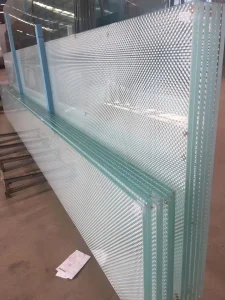
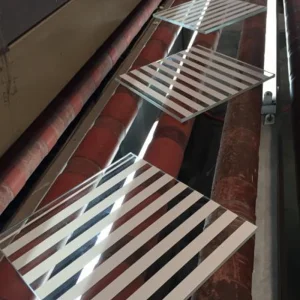
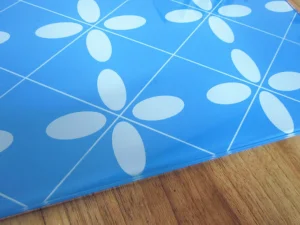
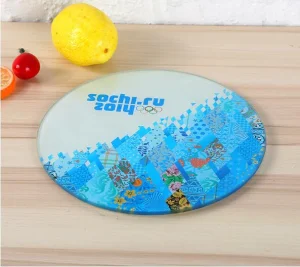
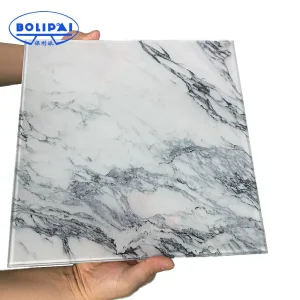
Customized artistic patterns for modern Brazilian architecture.
We also produce Low-E Energy-Saving Glass, Curtain Wall Glass Systems, Fire-Resistant & Fire-Proof Glass, Bulletproof & Security Glass, and Art Glass. We offer OEM and project-based customization, ensuring high-quality products and comprehensive technical service support to Brazilian architects and developers.
Years Experience
Major Projects
Countries Exported
Certified Quality
With over 30 years of experience, we understand projects in-depth, reduce risks, save costs, and ensure smooth delivery to South American ports like Santos and Paranaguá.
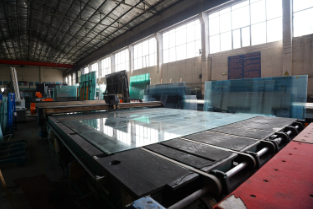
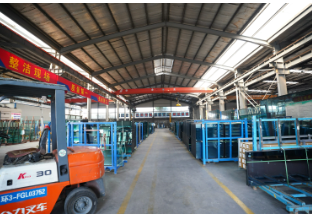
We use CNC cutting, double-edge grinding, water-jet, and tempering lines. This allows for accurate sizing, smooth edges, stable quality, and fast lead times for urgent construction phases.
From raw glass to final packing, every step undergoes strict inspection. Our products are CE, SGCC, and ISO certified, ensuring high-quality results you can rely on for any Brazilian infrastructure project.
In cities like Balneário Camboriú, where skyscrapers dominate the skyline, our digital print glass is used for balcony railings that require both privacy (gradient patterns) and high structural integrity to withstand wind loads.
Brazil has a vibrant shopping mall culture (Shopping Iguatemi, Morumbi, etc.). We provide decorative glass partitions and storefronts with custom brand colors printed digitally, ensuring color consistency across different retail outlets.
In the Northeast (Salvador, Fortaleza), luxury resorts use digital print glass for interior decor that mimics local textures like lace (Renda) or tropical flora, providing a unique guest experience that blends technology with local culture.