MGW Glass
MGW Glass
MGW Glass
Engineered high-performance glass units tailored for the changing landscape of urban commercial hubs in Kabul, Herat, and Kandahar.
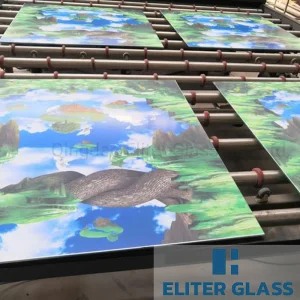
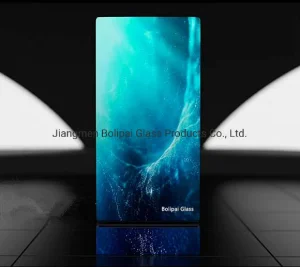
The reconstruction of civic and commercial infrastructure in major cities throughout Afghanistan—most notably in Kabul, Herat, Kandahar, and Mazar-i-Sharif—has spurred a notable shift in construction methods. Modern architectural layouts are rapidly replacing outdated structural finishes. Developers are prioritizing high-durability, energy-efficient building materials capable of withstanding the harsh continental climate of Central Asia, where temperature swings range from sub-zero winter freeze to intense summer heat waves.
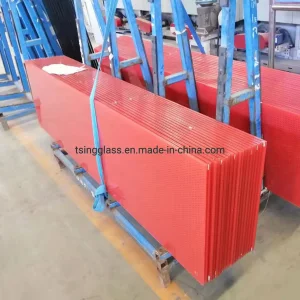
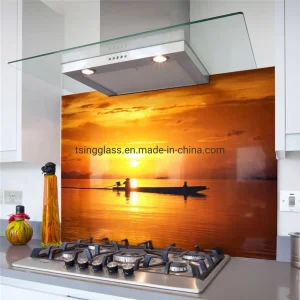
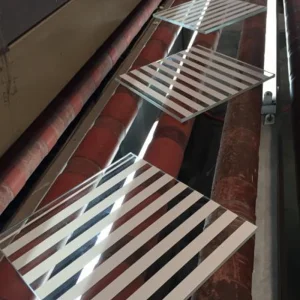
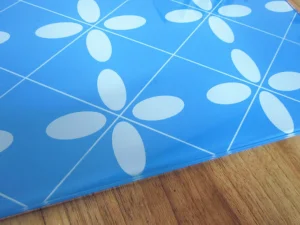
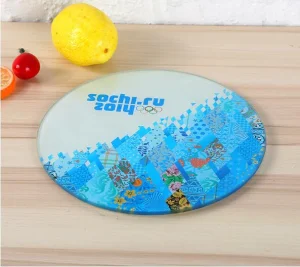
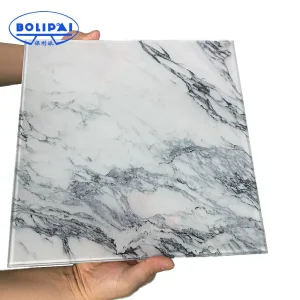
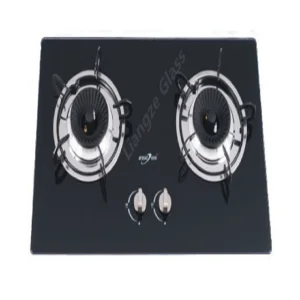
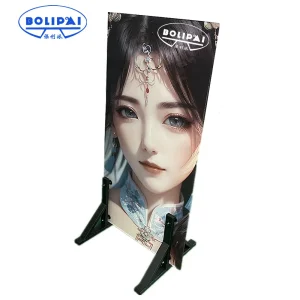
Digital print glass is uniquely suited to address these environmental demands. Unlike standard ceramic screen-printed alternatives, modern digital ceramic glass integrates inorganic inks directly into the structural matrix of the tempered pane. This prevents fading under intense UV exposure and resists abrasion from desert dust storms. High-resolution ceramic print processes allow local contractors to implement custom cultural designs, solar shading, and energy-management panels on curtain walls, residential splashbacks, and commercial partitions.
Our digital print glass serves as a primary solution for low-emissivity (Low-E) double glazed systems, minimizing solar heat gain coefficient (SHGC) while keeping visible light transmittance (VLT) at optimal levels for modern buildings.
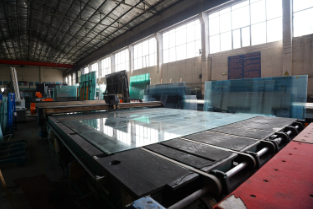
Backed by 32 years of structural glass innovation, Shandong MGW Glass Technology Co., Ltd. delivers global project capability directly to Afghan enterprises.
Founded in 1993, Shandong MGW Glass Technology Co., Ltd. has focused on structural, architectural, and customized safety glass production for more than three decades. Over this period, we have developed a comprehensive supply chain that integrates material procurement, high-precision processing, and global logistics. Having executed over 200 high-profile projects across Europe, the Americas, West Asia, and the Middle East, our technical teams possess the expertise needed to support complex engineering challenges.
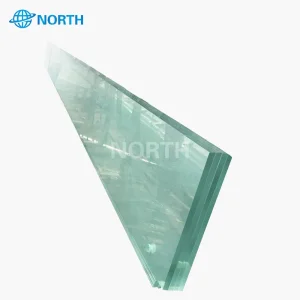
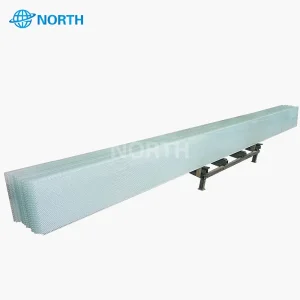
Our digital print glass products undergo high-convection tempering and laminating procedures, exceeding international quality indicators. The resulting glass panels exhibit high impact resistance, load capacity, and optimal thermal performance, carrying structural certifications recognized worldwide.
| Glass Thickness | 3mm to 19mm custom configurations |
| Max Print Size | 2800mm x 6000mm |
| Print Resolution | Up to 1440 DPI high-definition |
| Ink Formulations | Lead-free inorganic ceramic inks |
| Processing Options | Tempering, Laminating (PVB/SGP), Insulating |
Tailored glass systems addressing the distinct architectural, climate, and cultural needs of regional developers in Afghanistan.
Designed to balance the high temperature fluctuations in Kabul and northern regions, our digital print glass functions within double and triple-glazed insulated windows. Printed solar controls reduce cooling loads in summer while maintaining inner warmth during freezing winters.
Reconstruct historic and public spaces with high-definition digital glass printing. We reproduce traditional patterns (such as Girih and Islamic geometrics) directly onto durable structural glass, bypassing the decay risks associated with conventional painted wood or tile.
Utilizing toughened safety and laminated glass (with SGP/PVB interlayer options), we deliver impact-resistant panels suitable for commercial storefronts, government buildings, and banks that require advanced security ratings.
Architectural glass is evolving beyond passive structural glazing into functional, intelligent building envelopes. Our research focuses on integrating advanced thermal barriers directly into digital printing matrices, enabling passive solar harvesting and dynamic light-scattering adjustments.
Transitioning to lead-free formulations that retain structural stability at higher temperatures, ensuring environmental safety and full recyclability at end-of-life cycle.
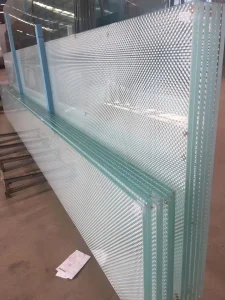
Developing microscopic pattern profiles that dynamically limit midday sun entry while permitting low-angle winter sunlight, reducing mechanical heating and cooling expenses.
Working on combining transparent conductive oxides (TCO) with digital prints to facilitate touch-activation and variable transparency controls in commercial partition projects.
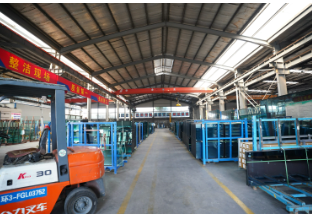
Find technical, structural, and logistics details regarding digital print glass shipping and implementation in the Afghanistan market.
Select and configure the perfect glass specs for your commercial and residential projects in the Afghan region.