MGW Glass
MGW Glass
MGW Glass
These primary high-transmittance solutions are tailored to meet the demanding requirements of optical clarity, impact safety, and solar harvesting in Central Africa's growing industrial ecosystems.
The Democratic Republic of the Congo (DR Congo) is experiencing a historic transition driven by rapid urban development, industrial automation, and an aggressive push for decentralized clean energy solutions. Across the copper-cobalt belts of Lualaba and Haut-Katanga, to the bustling infrastructure of Kinshasa, rugged and high-performing glass technology has moved from a specialty component to an absolute operational necessity.
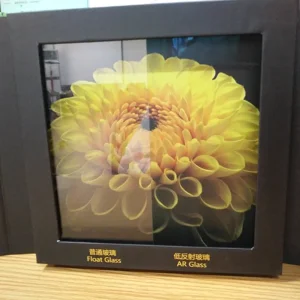
Operating in tropical regions presents extreme challenges: high heat index values, high relative humidity, and high concentrations of dust typical in open-pit mining environments. Conventional glass reflects approximately 8% of incident light, leading to significant visibility drop-offs, visual glare, and localized heat trapping. Our specialized Anti-Reflective (AR) glass addresses these optical limits by utilizing thin-film physical vapor deposition (PVD) to maximize light transmittance to over 98%, ensuring outstanding readability and efficiency under intense equatorial sunlight.
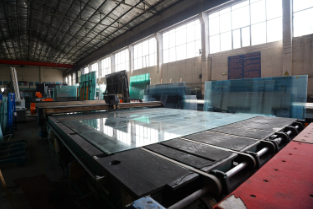
How specialized thin-film optical physics solves daily engineering challenges for mining operators, green energy projects, and municipal planners in central Africa.
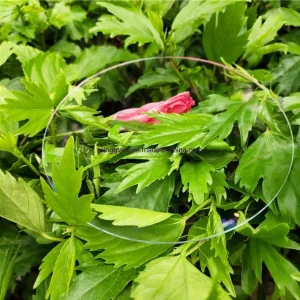
Off-grid solar mini-grids are critical to expanding power in outlying provinces of DR Congo. Traditional solar cover glass reflects a vital portion of the solar spectrum. Our low-iron tempered AR coating solar glass transmits maximum photons to the photovoltaic cells, boosting solar performance by 3% to 4%, a massive gain when scaling installations across off-grid mining sites and rural communities.
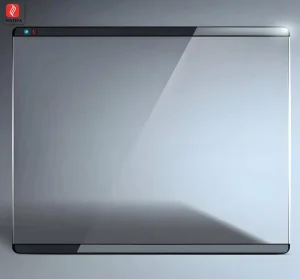
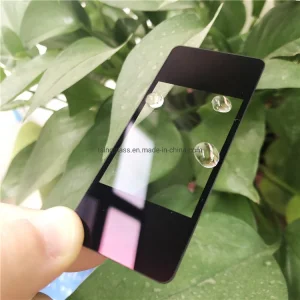
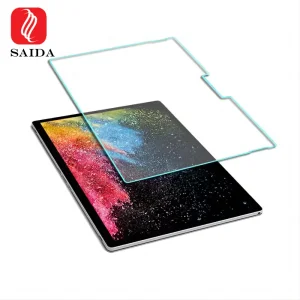
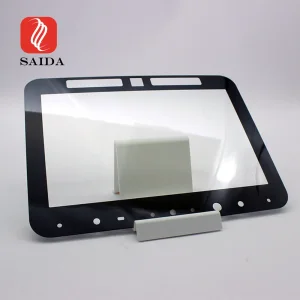
In the remote extraction facilities of Kolwezi, operators monitor complex processes on digital screens. Dust, ambient humidity, and high sun-glare degrade screen legibility, causing operator fatigue and errors. Utilizing customized high-transmittance, anti-glare, and anti-reflective tempered screen covers ensures absolute display clarity under demanding outdoor lighting.
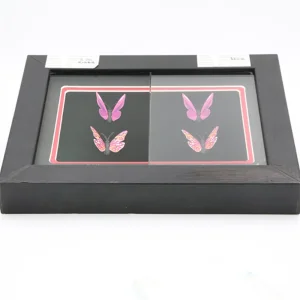
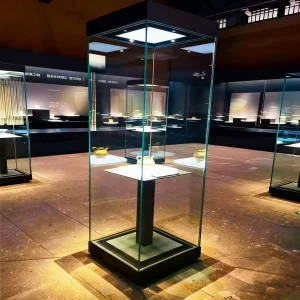
Retail spaces, institutional headquarters, and luxury museum exhibitions in Kinshasa's Gombe district demand optimal security and perfect visibility. Laminated, heavy-duty AR glass with a 3mm to 12mm thickness profile eliminates reflections and offers clear sightlines while providing high-impact safety against break-ins and weather conditions.
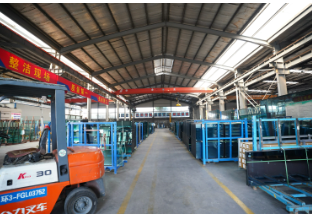
Our manufacturing processes leverage physical vapor deposition (PVD) to apply nano-scale metal oxide layers to ultra-clear low-iron glass substrates. By matching the optical thickness of the coating to one-quarter of the target light wave's wavelength (destructive phase cancellation), reflected light waves cancel each other out, sending the remaining energy directly through the glass.
To withstand the extreme wear typical of Central African mining and industrial environments, Shandong MGW Glass employs advanced magnetron sputtering and chemical tempering (ion exchange) processes. This creates a hard-wearing surface that resists abrasion, moisture erosion, and high dust concentrations without losing its optical properties.
Our manufacturing tolerances are controlled down to the nanometer level. This guarantees color neutrality and eliminates optical distortions, providing a premium material that meets the stringent requirements of international builders, solar panel manufacturers, and technology integrators.
A global leader in deep-processed architectural, solar, and high-precision optical glass products.
Founded in 1993, Shandong MGW Glass Technology Co., Ltd. has specialized in building and specialty glass for more than 32 years. With 32 years of development and continuous improvement, MGW Glass has built a strong brand by delivering high-quality products and constant innovation. In China, MGW Glass has completed more than 200+ major projects. Internationally, our premium glass products are exported to Europe, the Americas, the Middle East, West Asia, Southeast Asia, and rapidly expanding markets across Africa, including the Democratic Republic of the Congo.
We offer comprehensive OEM and project-based customization, ensuring high-quality products and technical support. Our sales and engineering teams understand global logistics challenges, ensuring secure shipments from our facilities directly to African ports (such as the Port of Matadi or via dry ports in the southern regions) for regional construction projects.
Over 30 years of architectural glass experience to reduce technical risks, optimize costs, and ensure smooth delivery.
Using CNC cutting, double-edge grinding, water-jet cutting, and automated tempering lines for precise dimensional tolerance.
All products undergo careful inspection, holding CE, SGCC, and ISO certifications to meet international performance standards.
Decades of experience coordinating complex export logistics to ports, mines, and remote construction sites globally.
Explore our range of AR-coated materials, high-durability sapphire options, and high-performance solar glass engineered to meet specific technical requirements in the DR Congo market.

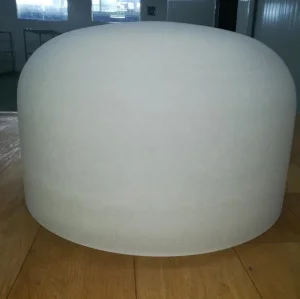
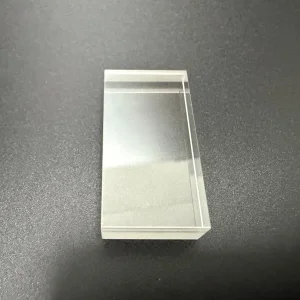
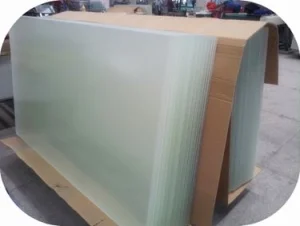
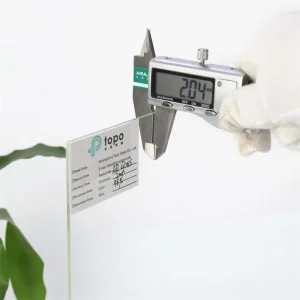
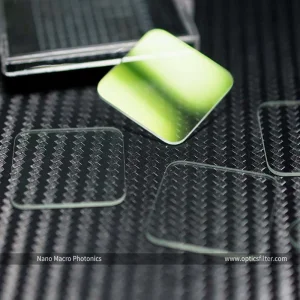
Our commitment to optical performance, surface hardness, and weather resistance is backed by comprehensive, standardized laboratory testing.
| Performance Parameter | Standard Value | Testing Standard | DR Congo Environmental Relevance |
|---|---|---|---|
| Visible Light Transmittance | > 98.0% (Double-Sided AR) | ISO 9050 / ASTM E903 | Ensures maximum display readability and solar output under intense ambient light. |
| Residual Reflection | < 0.5% (Average) | Spectrophotometer Testing | Minimizes specular reflections on mining control terminals. |
| Surface Hardness | ≥ 7H (Eraser abrasion test 2000 cycles) | MIL-C-675C / ISO 9211-4 | Prevents surface scratching from high dust loads in Katanga mining zones. |
| Damp Heat Durability | 1000 hours (85°C / 85% RH) | IEC 61215 | Ensures the glass coating resists degradation in high-humidity rainforest environments. |
| Adhesion Quality | Grade 5B (Cross-cut tape test) | ASTM D3359 | Ensures long-term adhesion under equatorial temperature cycles. |
Standard float glass contains high concentrations of iron oxide, which absorbs light in the green spectrum, creating a noticeable green hue. For high-performance AR glass applications, we exclusively utilize ultra-clear low-iron float glass substrates. Reducing the iron concentration increases base light transmittance to ~91.5% before coating. When combined with our double-sided multi-layer AR coatings, final transmittance reaches 98% or higher, providing exceptional clarity and color accuracy.
Get answers to technical, logistical, and design-related questions about importing and specifying Anti-Reflective glass for projects in the DR Congo.
Anti-Reflective (AR) glass utilizes optical interference coatings to minimize surface reflection and maximize light transmission, making the glass look almost invisible. Anti-Glare (AG) glass, on the other hand, uses chemical etching or sandblasting to create a micro-rough surface that diffuses specular reflections. For outdoor displays in bright sunlight, a combination of AG and AR glass is often recommended to prevent both screen glare and loss of contrast.
We package our products in custom-engineered, heavy-duty wooden crates with desiccant packs to prevent moisture damage during sea transport. We regularly ship to the Port of Matadi for western provinces (Kinshasa) and coordinate with rail or road transport corridors through East and Southern Africa (via Dar es Salaam or Durban) to deliver directly to mining areas in Kolwezi and Lubumbashi.
Yes. Our AR coatings are applied using advanced magnetron sputtering, which physically bonds the optical layers to the glass substrate on a molecular level. This hard coating features scratch-resistant properties (≥7H hardness) and high chemical durability, enabling it to withstand dry, dusty, and high-abrasion conditions without peeling or degrading.
Yes, our production facilities and deep-processed glass meet strict international standards. We provide official CE (Europe), SGCC (North America), and ISO 9001:2015 certifications to ensure compliance with architectural regulations and construction requirements in DR Congo and international project bids.
Contact our engineering team to request custom sizes, technical datasheets, or a competitive quote tailored to your local logistics and project timeline in the Democratic Republic of the Congo.