MGW Glass
MGW Glass
MGW Glass
Pioneering precision-engineered structural glass solutions tailored for international architectural, industrial, and smart appliance frameworks.
In contemporary architecture and high-performance structural engineering, safety glass is no longer just a passive protective layer. It acts as an active structural component, energy management system, and aesthetic vehicle. Due to rising urbanization, severe weather variations triggered by climate change, and strict safety rules, glass manufacturers must balance structural safety with thermodynamic efficiency.
From reducing risk in high-rise buildings during seismic events to boosting the efficiency of modern HVAC systems using high-performance coatings, advanced glass processing requires deep expertise. As a trusted manufacturer, Shandong MGW Glass Technology Co., Ltd. uses state-of-the-art thermal tempering, lamination, and double/triple glazing technologies to meet these requirements.
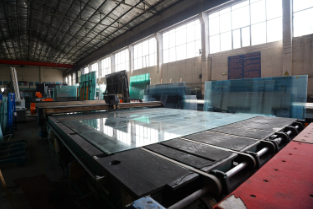
Founded in 1993, Shandong MGW Glass Technology Co., Ltd. has dedicated more than 32 years to the engineering, production, and custom development of advanced structural and architectural glass. Our goal is to work closely with partners to help customers achieve greater success in multiple fields. By focusing on quality and innovation, we have transformed from a local manufacturer into a globally recognized supply chain partner.
With 32 years of development and continuous improvement, MGW Glass not only builds a strong brand but also delivers high-quality products and constant innovation. In China, MGW Glass has completed more than 200+ major projects, ranging from landmark commercial towers to institutional facilities. Globally, our reach spans Europe, North and South America, the Middle East, West Asia, and Southeast Asia. We supply customized products that meet local building codes and design demands.
Our structural product range is engineered to satisfy architectural energy standards, dynamic impact requirements, and smart home appliances.
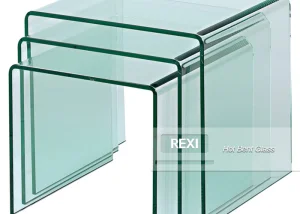
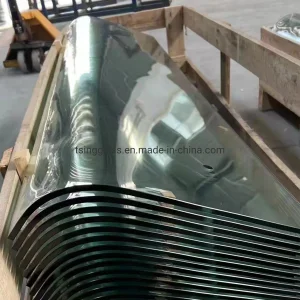
Processed through rapid thermal tempering to increase mechanical strength up to 5 times compared to standard annealed glass. In the event of failure, it fragments into small, rounded pieces to prevent injury.
Consisting of two or more layers of glass bonded by a PVB (Polyvinyl Butyral) or SGP (SentryGlas Plus) interlayer. This setup ensures that if the glass breaks, the fragments adhere to the plastic interlayer, maintaining structural integrity.
Multi-pane glass systems separated by argon gas-filled spacers, designed to lower U-values, restrict thermal conductivity, and provide sound insulation for green buildings.
Featuring thin, microscopically thin metal-oxide sputtering coatings (Single, Double, or Triple Silver) that block far-infrared heat while letting visible light pass through.
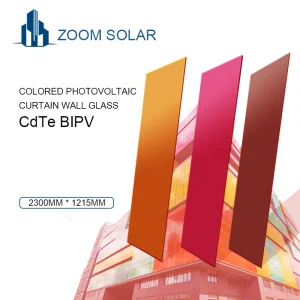
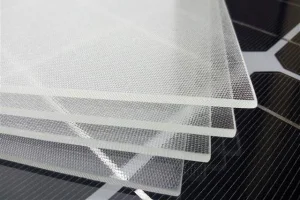
Curtain wall panels integrated with solar cells (BIPV) to generate clean electricity under weak light conditions while serving as a secure architectural exterior.
Designed to withstand impact, forced entry, bullets, and high temperatures, protecting structures and people under extreme conditions.
Investing in high-end machinery and strict quality control to guarantee dimensional accuracy and long-term durability.
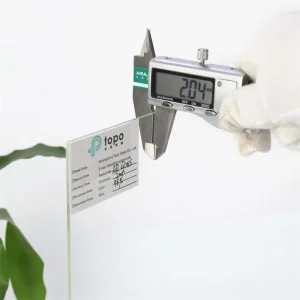
Our production plant features high-precision CNC cutting lines, double-edge grinding machines, and automated water-jet systems. This ensures smooth edgework, accurate cutouts, and minimizes micro-fissures that can cause thermal stress breakage.
To achieve high durability, our tempering lines utilize advanced convective heating control. This process creates uniform surface compression stresses exceeding 90 MPa in our tempered products.
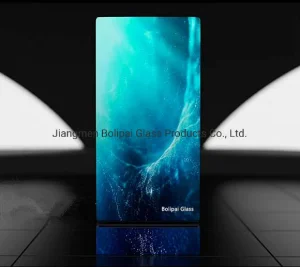
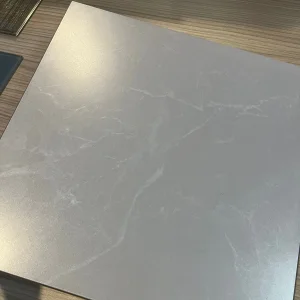
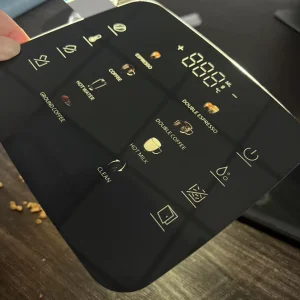
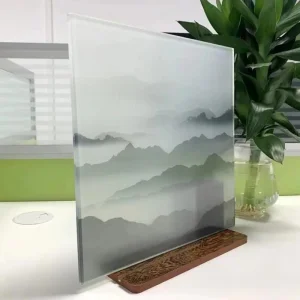
Additionally, we offer customized OEM solutions, ceramic frit printing, digital printing, and anti-reflective/anti-fingerprint coatings to meet specific architectural and industrial design demands.
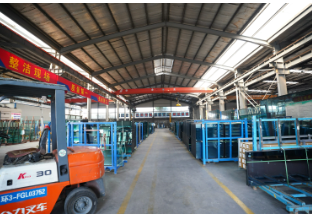
Engineered to comply with local environmental conditions, building codes, and performance requirements across major global markets.
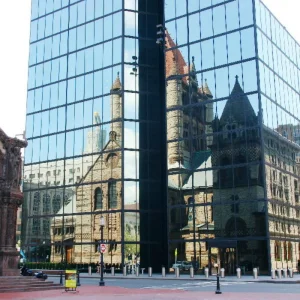
In North America, high-rise building facades require SGCC (ANSI Z97.1-2015) certified tempered and laminated glass to withstand high wind loads and impact. Our laminated glass, available with SGP structural interlayers, provides performance in high-wind zones and coastal areas.
To support European decarbonization policies, we supply triple-silver Low-E insulated glass units (IGUs) that meet EN 1279 standards. These systems offer thermal transmittances (U-values) under 0.6 W/m²K, helping structures achieve Passive House performance.
We supply certified safety glass compliant with AS/NZS 2208:1996 for residential and commercial spaces. Our glass features polished edgework to minimize thermal cracking under intense UV radiation.
Our ongoing R&D focuses on developing next-generation glazing materials that improve energy capture and dynamic light control.
Developing ultra-thin vacuum insulated panels that deliver the thermal performance of a triple-glazed unit within the thickness of a double-glazed profile. This design is suitable for architectural retrofitting projects.
Developing smart dynamic window glass that responds to solar intensity or user controls, adjusting light transmission and solar heat gain coefficients (SHGC) in real time.
Reducing carbon footprints in our tempering and lamination operations by maximizing cullet recycling, optimizing furnace thermal efficiency, and transitioning to local clean energy sources.
Utilizing regional industrial networks to deliver consistent quality and stable pricing to our global customers.
Located in Shandong's industrial corridor, Shandong MGW Glass has direct access to high-quality raw materials, including low-iron float glass and specialized polymer interlayers. This location shields our production from supply disruptions and helps stabilize material costs.
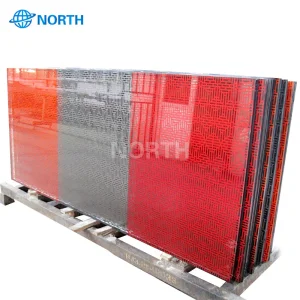
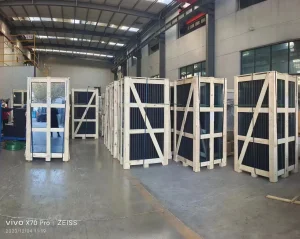
Our close integration of processes—from cutting and grinding to tempering, coating, and lamination—reduces lead times. We also use optimized sea packing methods with steel-strapped wooden crates to ensure safe delivery and ease of unloading on construction sites.
Our location near major shipping hubs like Qingdao Port allows us to arrange ocean transport efficiently. Combined with our 20+ years of export experience, we handle customs clearance, import documentation, and logistics with minimal delays.
Additionally, our specialized OEM department manages custom tooling and sample creation rapidly. This capability enables us to support fast-track projects and supply chains without compromising on design or quality.
Every piece of glass we ship is manufactured and tested to meet international safety and performance standards.
ANSI Z97.1-2015 safety standard compliance for structural glazing projects across North America.
EN 12150 (tempered glass) and EN 14449 (laminated glass) compliance for European markets.
Quality management system monitoring raw materials, processing, and shipping operations.
On-site heat soak testing (HST) to identify nickel sulfide (NiS) inclusions and prevent spontaneous breakage.
Common questions regarding safety glass specifications, customization options, and international logistics.
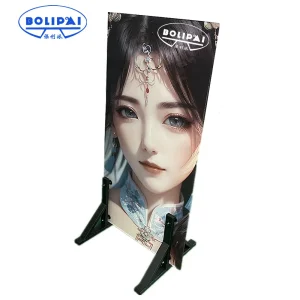
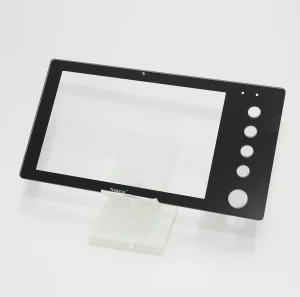
We supply products customized for commercial building construction, solar systems, and high-end home appliance markets.