MGW Glass
MGW Glass
MGW Glass
Explore our top-tier deep-processed building glass selection, engineered for maximum solar energy rejection, thermal efficiency, and dynamic privacy.
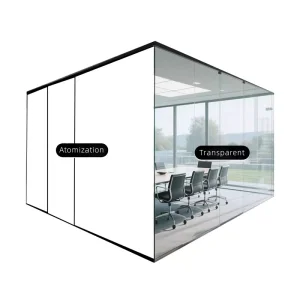
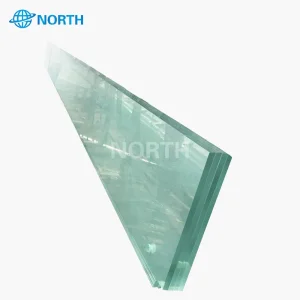
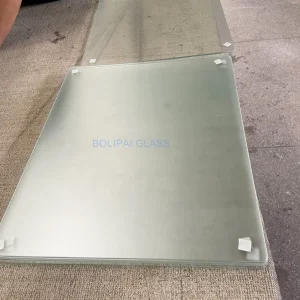
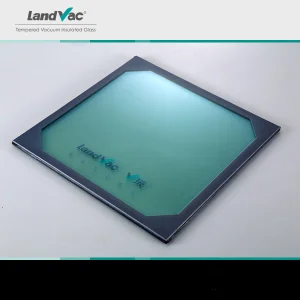
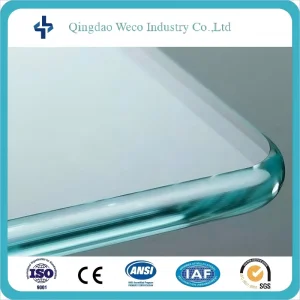
Reflective glass, also designated as solar control coated glass, has become a cornerstone of sustainable modern architecture. By deposition of metallic or metal oxide thin films on float glass substrates, manufacturers fundamentally alter the glass’s electromagnetic transmission characteristics. The primary objective is to manage the solar spectrum—specifically reflecting harmful Infrared (IR) and Ultraviolet (UV) radiation while maintaining an optimized Visible Light Transmittance (VLT).
1. Pyrolytic (Online) Reflective Coatings: Conducted during the float glass manufacturing stage at temperatures exceeding 600°C. Metal chemical precursors are sprayed directly onto the glass ribbon, forming a fused, highly durable crystalline metal oxide layer (often referred to as a "hard coat"). This method provides exceptional resistance to mechanical wear and chemical exposure, making it ideal for monolithic external glazing.
2. Magnetron Sputtering (Offline) Coatings: Applied post-glass fabrication in a high-vacuum chamber system. Multiple layers of precious metals (such as silver, titanium, or chromium) are sputtered atom-by-atom onto the glass surface. This creates highly complex optical interference filters ("soft coat") that deliver superior Solar Heat Gain Coefficients (SHGC) and unmatched thermal insulation (U-value) characteristics.
By implementing advanced Low-E (Low Emissivity) multi-layer stacks, we are capable of optimizing structural facades to meet the stringent demands of energy performance models. Our insulated glass units (IGUs) combine these reflective technologies with low-conductivity gas fills (such as Argon or Krypton) to minimize conductive heat transfer, transforming high-rise curtain walls from thermal liabilities into proactive energy-conservation elements.
Established in 1993, Shandong MGW Glass Technology Co., Ltd. has stood at the absolute forefront of the deep-processed architectural glass industry for over 32 years. Our unwavering target is to forge close, strategic alliances with project partners worldwide, empowering clients to achieve unprecedented architectural, commercial, and technical success.
Through 32 years of constant engineering development and continuous quality improvement, MGW Glass has established an internationally recognized brand known for safety, durability, and innovation. Nationally, we have successfully delivered over 200+ major projects. Internationally, our premium glass solutions are exported to Europe, America, the Middle East, West Asia, Southeast Asia, and beyond.
Our commitment to rigorous testing, competitive economic pricing, and end-to-end technical support ensures that architects, developers, and facade consultants receive structurally sound, high-efficiency products tailored to unique micro-climatic zones.
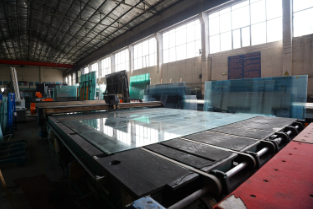
Reflective and Low-E glass are not one-size-fits-all solutions. The optimal glass configuration is governed by regional solar altitude, climatic envelopes, and localized building regulations. Below is a analysis of our recommended architectural configurations:
Primary Concern: Extreme solar radiation and high ambient temperatures causing excessive cooling loads.
Configured Solution: Double Glazed Units (DGUs) utilizing an offline, low-emissivity coating on surface #2, combined with tinted body-colored glass. This limits solar heat gain (SHGC < 0.25) and prevents structural overheating while maintaining glare control.
Primary Concern: Heat retention (maximizing internal thermal energy) and passive solar heating.
Configured Solution: Double or triple glazing incorporating high-transmittance Low-E coatings (primarily surface #3) with argon gas filling. This configuration maximizes passive solar heat gain during winter while achieving U-values as low as 0.6 W/m²K (passive house standards).
Primary Concern: Acoustic pollution, high wind loads, and structural integrity against storm forces.
Configured Solution: Laminated safety glass featuring thick PVB (Polyvinyl Butyral) or SGP (SentryGlas) interlayers. This setup offers superior structural security, prevents sharding upon impact, and reduces acoustic transmission by up to 45dB.
The glass industry is currently undergoing a massive evolution, driven by the global transition toward net-zero energy buildings. The historical paradigm of simple solar control has shifted toward dynamic and ultra-insulating technologies.
| Technology Generation | Configuration Style | Typical U-Value (W/m²K) | Primary Benefits & Ideal Applications |
|---|---|---|---|
| First Gen (Standard Monolithic) | Pyrolytic Float Glass | 5.8 | Durable surface finish, low cost, utilized in light commercial facades and windows. |
| Second Gen (Double Glazed DGU) | 6mm Low-E + 12Argon + 6mm Clear | 1.4 - 1.1 | Standard modern commercial standard. Significant cooling load reduction. |
| Third Gen (Triple Glazed Low-E) | 6mm Low-E + 12Ar + 6mm + 12Ar + 6mm Low-E | 0.8 - 0.6 | Used in high-latitude cold climates. Excellent heat retention capability. |
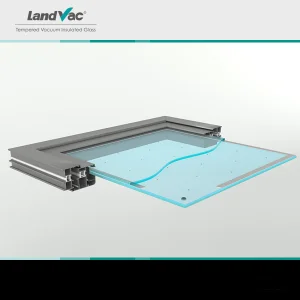
| Fourth Gen (Vacuum Insulated Glass - VIG) | Toughened VIG Units | 0.4 - 0.3 | Ultra-thin profile, equivalent to brick wall insulation. Perfect for passive houses. |
| Fifth Gen (Dynamic Smart Glass) | PDLC Switchable / Electrochromic | Variable (Dynamic) | Instantaneous cloudiness control via electrical current for smart office partitions & facades. |
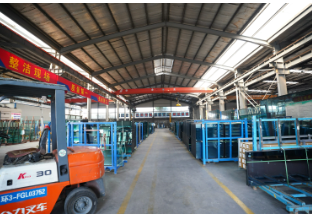
Shandong MGW Glass Technology Co., Ltd. leverages the full strength of China’s advanced industrial glass manufacturing ecosystem. The concentration of high-quality raw materials, combined with state-of-the-art automation and advanced logistics clusters, gives us a distinct structural advantage in delivering high-volume, precision-engineered products.
Precision Machinery and Quality Control Infrastructure:
At MGW Glass, we provide far more than just standard glass supply. We deliver an end-to-end, project-based engineering support service. Our professional sales and technical teams work closely with facade consultants and architects to design custom solutions tailored to your project's performance criteria.
Our entire glass manufacturing workflow is governed by strict ISO quality management protocols. Our products are fully certified under:
From initial design calculations to shipping logistics, we handle every detail:
We manufacture a wide range of deep-processed architectural glass products, including:
Find expert answers to common queries regarding architectural glass, specifications, certifications, and international ordering processes.
Discover our comprehensive collection of security laminates, vacuum insulated units, and decorative solutions designed for unique interior and exterior applications.