MGW Glass


The Future of Architecture: BIPV Glass Integration
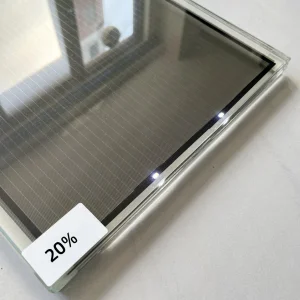
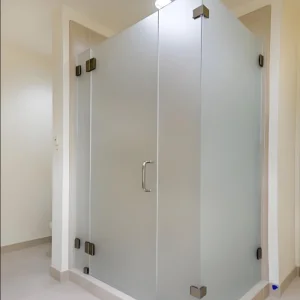
Building Integrated Photovoltaics (BIPV) is not merely a trend; it is the cornerstone of 21st-century architectural design. As global energy regulations tighten, architects and developers are turning to China's wholesale BIPV glass market for high-quality, scalable solutions. Unlike traditional solar panels, BIPV glass serves a dual purpose: it acts as a robust building envelope—providing safety, thermal insulation, and aesthetic appeal—while simultaneously generating clean electricity.
Why China is the Global Hub for BIPV Supply Chains
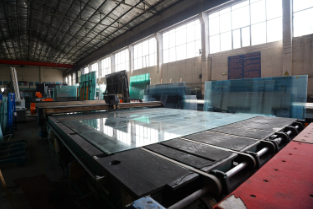
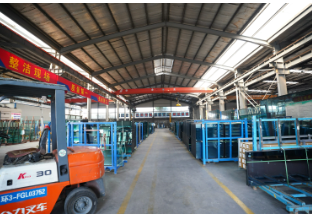
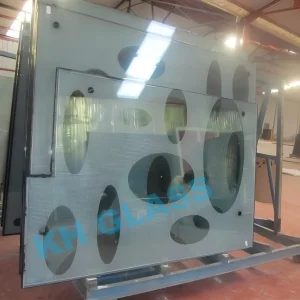
The manufacturing dominance of China in the glass sector is driven by massive economies of scale, advanced R&D, and complete vertical integration. From high-grade raw silica extraction to precision-controlled tempering and sophisticated thin-film deposition, Chinese BIPV glass factories offer a level of production speed and cost-efficiency that is difficult to replicate. For global enterprises, sourcing from a factory with 30+ years of expertise, like MGW Glass, ensures that you are not just buying a product, but investing in a standardized, rigorously tested energy infrastructure.
Navigating Compliance and International Standards
One of the primary concerns for international procurement managers is the regulatory "red tape" regarding overseas glass imports. Leading Chinese BIPV suppliers mitigate this through proactive compliance. Whether it is CE for European markets, SGCC/ASTM for North America, or ISO quality management standards, professional factories treat compliance as part of the production blueprint, not an afterthought. When sourcing wholesale BIPV, always demand Third-Party Verification Reports and factory audit capabilities to ensure compliance with local building codes.