In high-rise construction, architectural choices significantly influence the project’s success. One key decision is whether to use unitized curtain walls. These systems offer many benefits, but not all builders understand their value. This raises the question: why should I choose unitized curtain walls for high-rise projects?
Unitized curtain walls provide simplicity and efficiency. They are prefabricated off-site, reducing on-site labor and time. This can lead to faster project delivery and cost savings. However, some might worry about customization. While unitized systems have design limits, they can still meet unique aesthetic needs. Balancing efficiency with design is essential for modern architecture.
Additionally, unitized systems enhance energy performance. Their tight seals improve insulation, reducing energy costs. This is especially crucial in taller buildings, where energy consumption can be high. However, not every project requires this level of performance. Understanding specific building needs is necessary. Ultimately, selecting the right curtain wall system is vital for project success and sustainability.
The Definition and Functionality of Unitized Curtain Walls
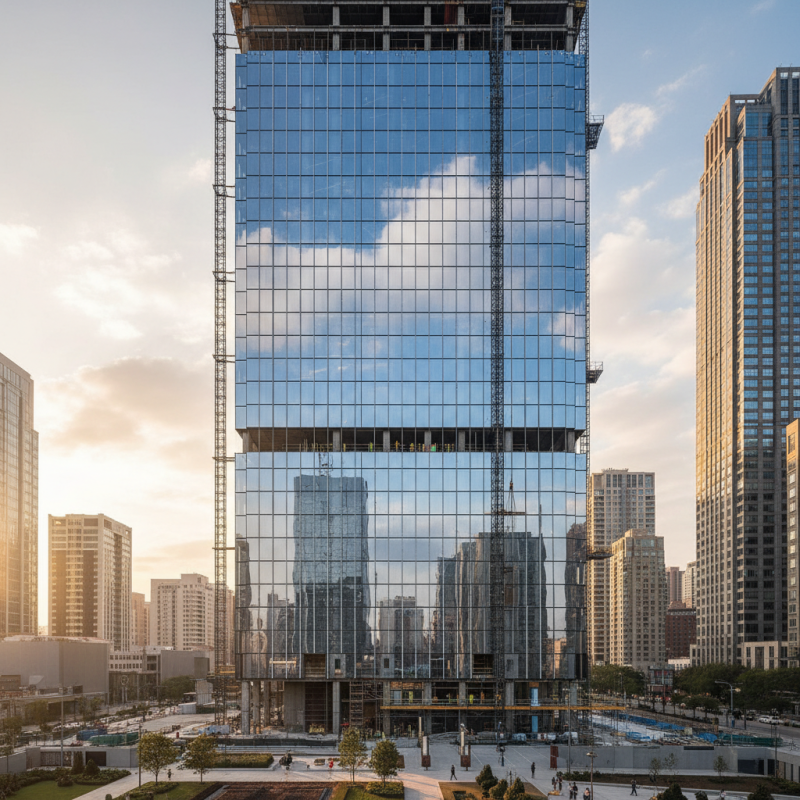
Unitized curtain walls have become an essential feature in high-rise architecture. These systems are pre-engineered assemblies that provide a lightweight, durable façade. Unlike traditional curtain walls, unitized systems are manufactured in large sections, making installation faster and reducing on-site labor costs. According to industry reports, using unitized systems can cut construction timelines by up to 20%.
The functionality of unitized curtain walls extends beyond speed. They are designed to meet rigorous energy efficiency standards, often exceeding ASHRAE 90.1 requirements. Their modular nature allows for easy integration of thermal insulation, enhancing building performance. Waterproofing and air barriers are built into the system, ensuring high resistance to environmental elements. However, designers must remain vigilant about installation tolerances; even small errors can lead to performance issues or aesthetic mismatches.
Despite their advantages, not all unitized curtain walls are alike. Material selection plays a crucial role in performance and sustainability. Aluminum, glass, and composite materials need careful consideration for load-bearing and thermal properties. Challenges in sourcing materials can arise, impacting project schedules. Understanding these complexities will benefit stakeholders, as high-rise projects increasingly demand innovative and reliable solutions.
The Advantages of Unitized Curtain Walls in High-Rise Architecture
Unitized curtain walls have gained popularity in high-rise architecture for several compelling reasons. They offer enhanced energy efficiency. With pre-assembled units, the installation process is significantly quicker. This leads to reduced labor costs on construction sites. These walls also allow for a greater variety of design options. Architects can create striking facades that exhibit both functionality and aesthetic appeal.
Another advantage is the inherent durability of unitized systems. They are designed to withstand harsh weather conditions. This is crucial for tall buildings prone to high winds and rain. However, ensuring proper sealing can be challenging, and poor installation may lead to leaks. It is essential to work with skilled professionals experienced in this type of construction.
Moreover, unitized curtain walls offer excellent thermal performance. The insulation properties minimize heat loss, which contributes to long-term energy savings. Retrofitting older buildings with these systems may require careful planning and execution. Overall, while the benefits are significant, the complexities involved cannot be overlooked. Proper assessment and execution are vital to ensure the desired outcomes in high-rise projects.
Key Design Considerations for Implementing Unitized Curtain Walls
Unitized curtain walls are popular for high-rise buildings. They offer numerous design benefits that enhance both aesthetics and functionality. When selecting unitized systems, understanding the key design considerations is crucial.
One important factor is thermal performance. Incorporating high-performance insulation can reduce energy costs. Pay attention to the building’s location and orientation. This helps in optimizing energy efficiency. Additionally, consider water management systems to prevent leaks. A well-designed curtain wall should effectively drain water away from the building.
**Tip:** Review the building's structural load before installation. This ensures the curtain wall can withstand environmental pressures. Another consideration is the integration of opening windows. These can improve ventilation while maintaining the building’s appearance. You should also factor in the aesthetic elements, as the facade significantly impacts a building’s identity.
Incorporating these aspects can lead to a more reliable design. However, you may face challenges in achieving the desired aesthetic without compromising functionality. Regular assessments are necessary to reflect on performance and make needed adjustments. These reflections can lead to improvements in future projects.
Why Choose Unitized Curtain Walls for High Rise Projects?
The Impact of Unitized Curtain Walls on Energy Efficiency
Unitized curtain walls have gained popularity in high-rise construction for several reasons, especially regarding energy efficiency. These systems are designed to reduce thermal bridging and improve insulation. This efficiency results in lower heating and cooling costs for buildings. When installed correctly, unitized walls can significantly minimize air leaks, which enhances overall climate control inside structures.
However, challenges remain in achieving optimal energy performance. Installation quality can vary, impacting how well these walls perform in real-world conditions. Gaps or misalignments can compromise insulation and allow unwanted drafts. Proper maintenance and occasional inspections are necessary to ensure they function as intended over time. Designers must pay careful attention to each aspect of installation, from material selection to sealing joints, to achieve the desired energy outcomes.
The integration of unitized curtain walls must also be weighed against initial investment costs. Although they offer long-term savings, the upfront expense can be a barrier for some projects. Striking a balance between functionality and budget is crucial. Engaging with experienced professionals to assess site conditions and environmental factors can help in making reliable decisions for energy-efficient designs. Ultimately, the goal is to create sustainable high-rise buildings that perform well throughout their lifecycle.
Why Choose Unitized Curtain Walls for High Rise Projects? - The Impact of Unitized Curtain Walls on Energy Efficiency
| Project Type |
Energy Efficiency Rating (kWh/m²) |
Cost Savings (%) |
Installation Time (weeks) |
Maintenance Frequency (years) |
| Commercial High-Rise |
45 |
20% |
16 |
5 |
| Residential High-Rise |
38 |
15% |
20 |
7 |
| Mixed-Use Tower |
42 |
18% |
22 |
6 |
| Office Building |
50 |
22% |
18 |
4 |
Comparative Analysis: Unitized vs. Stick-Built Curtain Walls
Unitized curtain walls and stick-built systems offer distinct advantages. Unitized systems come prefabricated, which allows for quicker installation on-site. This can significantly reduce labor costs and construction time. In contrast, stick-built walls require assembly on-site, increasing the chance of errors and delays. Flexibility is another critical point. Unitized walls provide a more uniform appearance, while stick-built systems can vary in quality.
When opting for unitized curtain walls, consider the project's scale. Larger buildings benefit from the speed and consistency of unitized systems. However, smaller projects might find stick-built options more cost-effective. It’s important to assess the project's specific needs. Customization is easier with stick-built systems, allowing for unique architectural features.
Tips: Invest time in evaluating the building's design. This will help determine which curtain wall system aligns with your vision. Also, think about maintenance requirements. Unitized walls may offer easier cleaning and upkeep due to their seamless design. Finally, engage with professionals who have experience in both systems for informed decisions. Their insights can guide you toward the best choice for your project.
Conclusion
Unitized curtain walls are increasingly becoming the preferred choice for high-rise projects due to their unique design and functionality. These pre-assembled wall units offer numerous advantages, including faster installation times, improved aesthetic appeal, and enhanced structural integrity. A key reason why should I choose unitized curtain walls for high-rise projects lies in their ability to streamline the construction process while minimizing labor costs.
Moreover, unitized curtain walls contribute significantly to energy efficiency, as they can be designed with advanced insulation and glazing options to reduce energy consumption. When comparing unitized systems to traditional stick-built approaches, the former often comes out ahead in terms of cost-effectiveness, performance, and design flexibility. Careful consideration of these factors can lead to superior outcomes in high-rise architecture, ultimately supporting sustainable building practices while achieving striking visual results.
 MGW Glass
