In contemporary architecture, there's a significant shift towards integrating glass curtain systems. A recent survey by the American Institute of Architects reveals that 70% of firms are investing in more translucent designs. This reflects a growing preference for natural light and open spaces. Businesses are realizing the benefits of how to transition from traditional walls to full glass curtain systems can enhance their aesthetic appeal and functionality.
However, making this transition is not without challenges. Companies must consider structural implications, insulation, and cost factors. Glass, while visually striking, poses thermal and acoustic concerns that must be addressed thoughtfully. A study by the National Glass Association indicates that proper installation can reduce energy costs by up to 30%. Yet, improper methods may lead to increased expenses and dissatisfaction.
The shift is also about redefining workspaces. Modern employees seek environments that inspire creativity and collaboration. The move to glass walls can facilitate this, creating fluid interactions. Nonetheless, careful planning and execution are crucial. Understanding the nuances of how to transition from traditional walls to full glass curtain systems is essential for success in this evolving landscape.
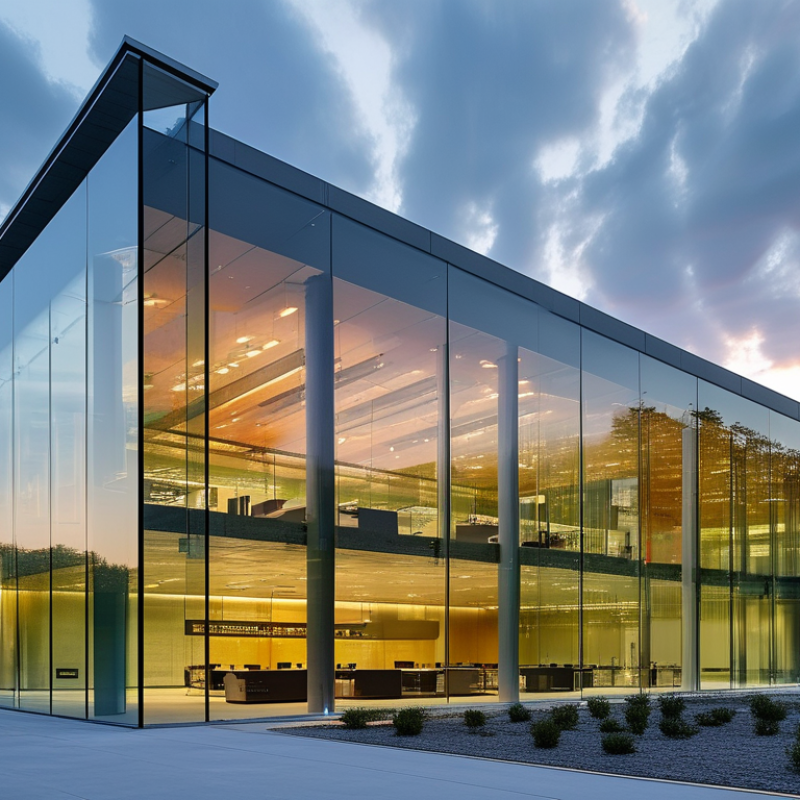
Understanding Glass Curtain Systems: Key Features and Benefits
Glass curtain systems have revolutionized architectural designs, offering a sleek and modern aesthetic. These systems consist of large panes of glass which are fixed to the building's structural frame. According to a report by the Global Glass Curtain Wall Market, the demand for glass systems is projected to grow by over 10% annually. This increase highlights their popularity and effectiveness in commercial settings.
One key feature of glass curtain systems is their ability to enhance natural light. This can reduce energy usage, leading to lower utility bills. Studies show that buildings with ample natural light can increase productivity by 15% among occupants. However, transitioning to glass walls does come with challenges. Ensuring proper insulation and energy efficiency is crucial. Poor installation might lead to leaks and heat loss, counteracting their environmental benefits.
The aesthetic appeal of glass systems cannot be overlooked. They create visually striking exteriors, making properties more attractive to buyers. Yet, there is a need for careful selection of materials. Not all glass has the same durability or insulation properties, leading to potential long-term issues. Ultimately, while glass curtain systems offer numerous advantages, their implementation requires thorough planning and consideration.
Comparative Analysis: Traditional Walls vs. Glass Curtain Systems
When considering the transition from traditional walls to glass curtain systems, several key factors emerge. Traditional walls provide solid structural integrity and privacy. They are often made of concrete or drywall, offering excellent sound insulation. However, they can feel confining and limit natural light. In contrast, glass curtain systems create an open, airy environment. They allow abundant natural light and provide stunning views. This shift can greatly enhance the aesthetic of a building.
On the flip side, glass systems come with their own challenges. They may require more maintenance due to dirt and fingerprints. Ensuring energy efficiency can also be a concern, especially in fluctuating climates. Traditional walls can better support insulation and temperature control. It’s important to weigh these pros and cons when transitioning. Not every building or space is suitable for glass installations. The choice should reflect both the functionality desired and the architectural vision.
Ultimately, blending the two systems can yield a balanced space. Using glass strategically alongside traditional materials can create dynamic environments. Reflect on how each material impacts not just the building but the occupants’ experience as well. These nuanced considerations will shape a more informed decision-making process.
How to Transition from Traditional Walls to Glass Curtain Systems? - Comparative Analysis: Traditional Walls vs. Glass Curtain Systems
| Feature |
Traditional Walls |
Glass Curtain Systems |
| Weight |
Heavier construction materials |
Lighter, often aluminum frames |
| Natural Light |
Limited daylight |
Maximizes natural light |
| Aesthetic Appeal |
Traditional and solid |
Modern and elegant |
| Cost |
Generally lower upfront costs |
Higher installation expense |
| Maintenance |
Low maintenance |
Requires regular cleaning |
| Thermal Insulation |
Better insulation |
Variable insulation properties |
| Flexibility |
Less adaptable to design changes |
Easily customizable |
Design Considerations: Aesthetic and Functional Aspects of Glass Facades
Transitioning from traditional walls to glass curtain systems offers aesthetic and functional benefits. A well-designed glass facade can enhance natural light, improve energy efficiency, and create open, inviting spaces. According to a report by the American Institute of Architects, buildings with glass facades use up to 30% less energy compared to traditional materials. However, integrating glass requires careful planning. Understanding thermal performance is crucial, as improper design can lead to excessive heat gain or loss.
Tip: Choose high-performance glass with low-emissivity coatings to maximize insulation and minimize glare. This approach helps improve comfort for occupants while maintaining the desired aesthetic appeal.
Another consideration is the structural integrity of the glass system. Glass facades must withstand wind loads and other environmental stresses. Reports indicate that proper installation techniques can reduce failure rates by up to 40%. Builders must ensure compliance with local codes to avoid future liabilities.
Tip: Consult with structural engineers early in the design process. Their expertise can help avoid costly mistakes down the line. While glass facades offer many advantages, they require a thorough understanding of both aesthetic choices and functional requirements.
Cost-Benefit Analysis: Long-Term Savings with Glass Curtain Installations
Transitioning from traditional walls to glass curtain systems offers unique benefits but requires careful consideration. Many commercial spaces are opting for glass installations due to their aesthetic appeal and functionality. According to industry reports, glass curtain walls can potentially reduce energy costs by up to 30%. Natural light enhances workplace morale and can lead to increased productivity among employees.
However, installation costs can be substantial. Initial expenses for glass systems are typically higher than traditional walls. A study conducted by the American Institute of Architects noted that for every dollar spent on energy-efficient glass, there could be an estimated long-term savings of $2 in energy bills. The return on investment varies based on factors like building location and design. While the upfront costs may deter some, analyzing the long-term energy savings is crucial.
It's important to reflect on potential downsides too. While glass walls improve aesthetics, they also require more frequent cleaning and maintenance than traditional materials. The risk of higher replacement costs must also be considered. A comprehensive cost-benefit analysis will help determine if this transition aligns with your financial goals and building requirements.
Installation Process: Step-by-Step Transition to Glass Systems in Buildings
Transitioning from traditional walls to glass curtain systems involves a carefully structured process. Start with an assessment of your building's architectural integrity. Studies show that glass facades can increase natural light by up to 50%, enhancing the overall environment. However, they can also pose challenges, such as thermal performance issues. It’s crucial to consider these factors and plan accordingly.
The installation process begins with precise measurements. Accurate dimensions ensure a seamless fit of the glass panels. Next, reinforcement of the building frame is necessary to support the weight of the glass. Reports highlight that improper framing can lead to structural failures, so this step should not be rushed. Consider employing specialized contractors who understand the nuances of glass installation to avoid common pitfalls.
Following the installation, it’s vital to conduct thorough inspections. Small gaps or misalignments can significantly impact insulation performance. Regular maintenance of the glass facade is essential to ensure its longevity. While glass walls offer aesthetic appeal, the potential for increased heating costs is an important aspect to reflect on. A well-planned transition can yield impressive results, but careful execution is key.
FAQS
: Glass facades enhance natural light, improve energy efficiency, and create inviting spaces.
Buildings with glass facades can use up to 30% less energy than traditional materials.
Understanding thermal performance is essential to prevent excessive heat gain or loss.
Choose high-performance glass with low-emissivity coatings to maximize insulation.
Yes, glass systems must withstand wind loads and require precise installation to avoid failures.
Proper installation techniques can reduce failure rates by up to 40%, ensuring durability.
Initial expenses may be higher, but long-term savings on energy bills can justify the investment.
Glass walls require more frequent cleaning than traditional materials, which can increase ongoing costs.
Begin with assessing the building's integrity and ensure accurate measurements for a seamless fit.
Misalignments during installation can affect insulation performance, leading to higher heating costs later.
Conclusion
Transitioning from traditional walls to full glass curtain systems involves understanding the distinct features and advantages that glass facades offer. Glass curtain systems enhance natural light penetration, improve aesthetic appeal, and contribute to energy efficiency, making them a popular choice for modern architecture. A comparative analysis reveals that while traditional walls may provide structural advantages, glass systems allow for greater design flexibility and openness.
When considering how to transition from traditional walls to full glass curtain systems, it's essential to evaluate both aesthetic and functional aspects, ensuring that the design complements the building's purpose. Additionally, conducting a cost-benefit analysis underscores the potential for long-term savings through reduced energy consumption and maintenance costs. The installation process is a critical phase, requiring careful planning and execution to ensure a seamless shift to glass systems, ultimately transforming the building's exterior and interiors.
 MGW Glass
