MGW Glass MGW Glass

2026 Top Safety Standards for Hurricane Resistant Glazing?

Time:2026-06-13 Author:Charlotte
0%

As hurricanes become more frequent, the need for efficient safety measures is critical. One essential aspect is understanding "what are the safety standards for hurricane resistant glazing." Dr. Emily Smith, a renowned expert in building materials, emphasizes, "Proper glazing can save lives and reduce property damage." Her insights highlight the importance of robust standards.

In recent years, the construction industry has evolved to address these challenges. Different organizations have established safety protocols for glazing products intended for hurricane-prone areas. However, many builders struggle to keep up with evolving regulations. The nuances can be overwhelming, with varying standards across regions.

Experts agree that compliance is essential. Yet, many manufacturers face hurdles in meeting these requirements due to costs and resource limitations. Improvements in materials and installation techniques are crucial. Continuous education about safety standards is necessary for builders. As Dr. Smith reminds us, it’s about more than compliance; it’s about community safety and resilience.
2026 Top Safety Standards for Hurricane Resistant Glazing?

Overview of Hurricane Resistant Glazing Standards

Hurricane resistant glazing is essential for buildings in storm-prone regions. The standards for this type of glazing are crucial for ensuring the safety of occupants. These standards define the performance criteria for windows and doors to resist wind pressures and debris. Compliance with recognized testing protocols helps ensure reliability.

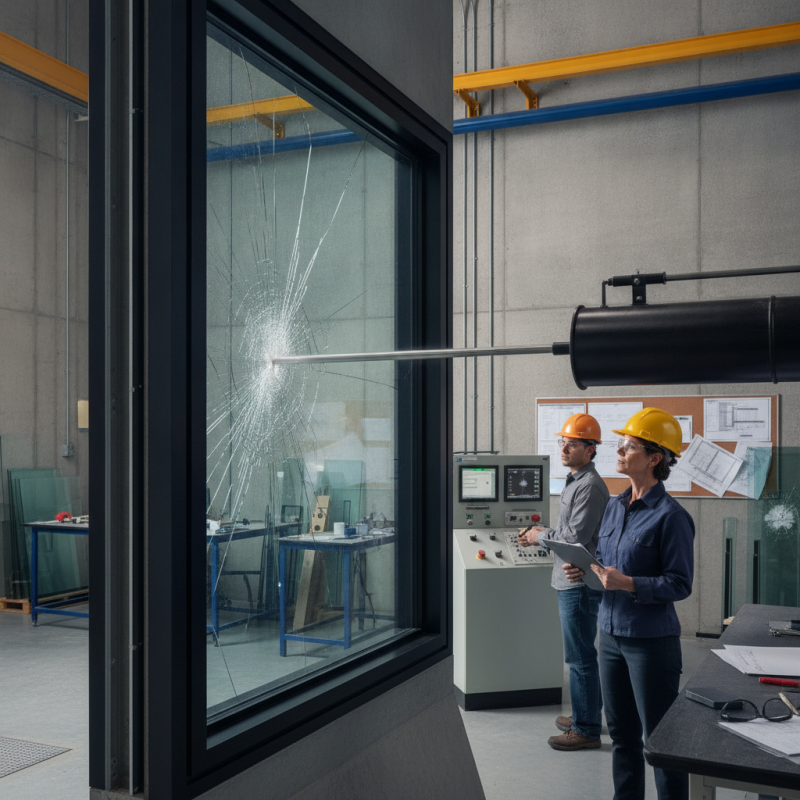
One key standard involves impact resistance. Glazing materials must withstand flying objects during a hurricane. Testing often involves shooting a projectile at high speeds. This simulates real-world conditions, providing valuable data on the material’s strength. However, not all glazing meets these rigorous criteria. It’s important for builders to remain vigilant in choosing the right materials.

Another aspect of the standards is energy efficiency. Proper installation of hurricane resistant glazing can help reduce energy costs. Still, some solutions may not perform well under extreme conditions. Testing and certification ensure these products can withstand significant forces while maintaining their energy-saving properties. Striking a balance between safety and efficiency remains a challenge in the industry.

Key Features of Hurricane Impact Glass

Hurricane impact glass is essential for safeguarding structures in storm-prone areas. This type of glazing features a robust design. It generally consists of a thick layer of polyvinyl butyral between two layers of glass. This composition allows it to absorb and dissipate energy from flying debris during a hurricane.

One key characteristic is its resistance to shattering. Unlike standard glass, hurricane impact glass remains intact under severe pressure. This reduces the risk of broken shards that can cause injuries. Additionally, these windows often include advanced coatings. These coatings enhance storm protection while providing energy efficiency. Proper installation is equally critical. Even the best materials can fail if not correctly fitted.

While hurricane impact glass offers significant benefits, it's crucial to choose the right thickness and specifications. Not every product meets the same standards for every region. Building codes vary widely, highlighting the importance of expert advice. Understanding local regulations can prevent costly mistakes in selection and installation. Always consult with professionals to ensure compliance and safety.

2026 Top Safety Standards for Hurricane Resistant Glazing - Key Features of Hurricane Impact Glass

Feature Description Standard Compliance Impact Resistance Rating
Laminated Glass Multiple layers of glass bonded with PVB to resist shattering. ASTM E1886 / E1996 Large Missile Impact, Level D
Double Glazing Two panes of glass with an air gap for insulation and strength. AAMA 511 Level E
Tinted Glass Reduces glare and solar heat, enhancing strength. IGCC Level D
Impact Resistant Frames Frames designed to withstand high winds and impact from debris. ASTM F588 Level C
Weather Sealing Seals that prevent air and water intrusion during storms. AAMA 501 N/A

Testing Methods for Hurricane Resistant Glazing

Hurricane resistant glazing must undergo rigorous testing to ensure safety and reliability. Standards set by organizations such as ASTM International and ANSI provide frameworks for assessing the effectiveness of these materials. Effective tests evaluate impact resistance, water penetration, and wind load performance. According to industry reports, glazing systems need to withstand wind speeds exceeding 140 mph. This data highlights the critical nature of testing.

One common method is the missile impact test, where a projectile strikes the glass. This test simulates debris from high winds during a hurricane. Results must meet specific standards to prove durability and safety. Additionally, water penetration tests assess the resistance of glazing under extreme weather conditions. Performance ratings from these tests guide the selection of appropriate materials for buildings in hurricane-prone areas.

Tips for choosing hurricane resistant glazing include asking for detailed performance data. Verify compliance with local building codes and standards. Always consult with professionals familiar with disaster-resistant construction. Awareness of materials and their limitations is essential. Continuous evaluation of testing protocols reveals room for improvement in safety standards. Emphasizing these factors is crucial for future developments in hurricane resistant technologies.

Regulatory Bodies Setting Safety Standards

The evolution of safety standards for hurricane-resistant glazing is critical for building resilience against natural disasters. Regulatory bodies, such as the American Society for Testing and Materials (ASTM) and the International Building Code (IBC), are at the forefront of this initiative. They establish guidelines that ensure glazing systems can withstand extreme wind loads and flying debris, which are common during hurricanes. Recent reports indicate that the performance criteria include tests for impact resistance, lasting up to 16 pounds of force from a distance.

In the United States, an estimated 65% of buildings in hurricane-prone areas do not meet current safety standards. This raises serious questions about the adequacy of existing regulations. Communities must engage with local authorities to advocate for updates in codes. Research shows that compliant glazing can reduce property damage by over 40%. The lack of enforcement of these standards can lead to increased vulnerability during natural disasters. While advancements in technology have improved glazing materials, continuous assessment and adaptation of safety regulations remain essential.

Future Trends in Hurricane Glazing Technology

The future of hurricane glazing technology is evolving rapidly. Experts emphasize the importance of materials that enhance safety and resilience. New research focuses on stronger polycarbonate and laminated glass options. These materials are designed to withstand extreme wind pressures. They also aim to reduce the risk of shattering during intense storms.


Innovative testing methods are emerging to better evaluate these materials. For example, advancements in simulation technology are enabling more accurate assessments.

Yet, challenges remain in ensuring consistent quality across production. The industry must address these issues to maintain reliability.

Effective training programs for installers can ensure proper application of these advanced glazing solutions.


As we look ahead, energy efficiency is becoming a priority. Manufacturers are exploring coatings that improve thermal performance. This aligns with a growing trend in sustainable building practices. Despite progress, there are still concerns over costs and accessibility to these advanced technologies.


Ongoing dialogues among experts, builders, and policymakers will be crucial to address these challenges.

FAQS

: What is hurricane resistant glazing?

: It is a type of glazing designed to withstand high winds and flying debris during hurricanes.

Why are standards for hurricane resistant glazing important?

They help ensure the safety of building occupants against extreme weather conditions.

What does impact resistance in glazing mean?

It refers to the ability of glazing materials to resist damage from flying objects.

How is the strength of glazing materials tested?

Testing often involves shooting projectiles at high speeds to simulate hurricane conditions.

Are all hurricane resistant glazings effective?

No, not all materials meet rigorous standards. Choosing the right materials is crucial.

Can hurricane resistant glazing improve energy efficiency?

Yes, proper installation can lower energy costs, but performance may vary under extreme conditions.

What role do regulatory bodies play in glazing standards?

They set guidelines to ensure glazing systems can handle wind loads and debris effectively.

How prevalent is the issue of non-compliance in hurricane-prone areas?

Around 65% of buildings in these areas may not meet current safety standards.

What future trends are emerging in hurricane glazing technology?

Stronger materials and innovative testing methods are being explored for better performance.

What challenges remain in hurricane glazing technology?

Ensuring consistent quality and balancing costs with accessibility to new technologies are ongoing issues.

Conclusion

The article titled "2026 Top Safety Standards for Hurricane Resistant Glazing" provides a comprehensive overview of the crucial standards and innovations in hurricane-resistant glazing technology. It outlines the key features of hurricane impact glass, emphasizing its ability to withstand extreme weather conditions while maintaining structural integrity. The article also discusses testing methods used to evaluate the performance of these materials and highlights the regulatory bodies responsible for setting safety standards to ensure public safety.

Additionally, it explores future trends in hurricane glazing technology, indicating a movement towards more resilient and efficient materials as climate challenges evolve. For those wondering what are the safety standards for hurricane resistant glazing, this article serves as a valuable resource, showcasing the advancements and regulations that enhance the safety of buildings in hurricane-prone areas.

Charlotte

Charlotte

Charlotte is a seasoned marketing professional with a deep understanding of the company's portfolio and a passion for elevating its presence in the market. With a keen eye for detail and a commitment to excellence, she ensures that our professional blog is regularly updated with insightful articles......