MGW Glass
Condensation inside double glazing can be a troubling issue for many homeowners. This phenomenon raises the question, "why does my double glazing have condensation inside?" Industry experts, like John Stevens from the Glass and Glazing Federation, note, "Condensation indicates a failure in the seals or the moisture barrier of your glazing units." According to a report from the National Fenestration Rating Council, up to 30% of homes experience this issue, often leading to discomfort and concerns about moisture damage.
The presence of condensation often points to underlying problems. Inadequate sealant or aging window units can allow moisture to enter. This moisture may lead to mold growth, impacting indoor air quality. An effective way to mitigate these concerns is to understand the common causes. Homeowners can benefit from checking the seals and considering replacement if necessary. A proactive approach can save costs in the long run.
As the demand for energy-efficient windows grows, addressing condensation issues is crucial. Homeowners should not ignore the signs. Professional assessments can provide clarity and solutions. Understanding why condensation occurs is the first step toward effective resolution.
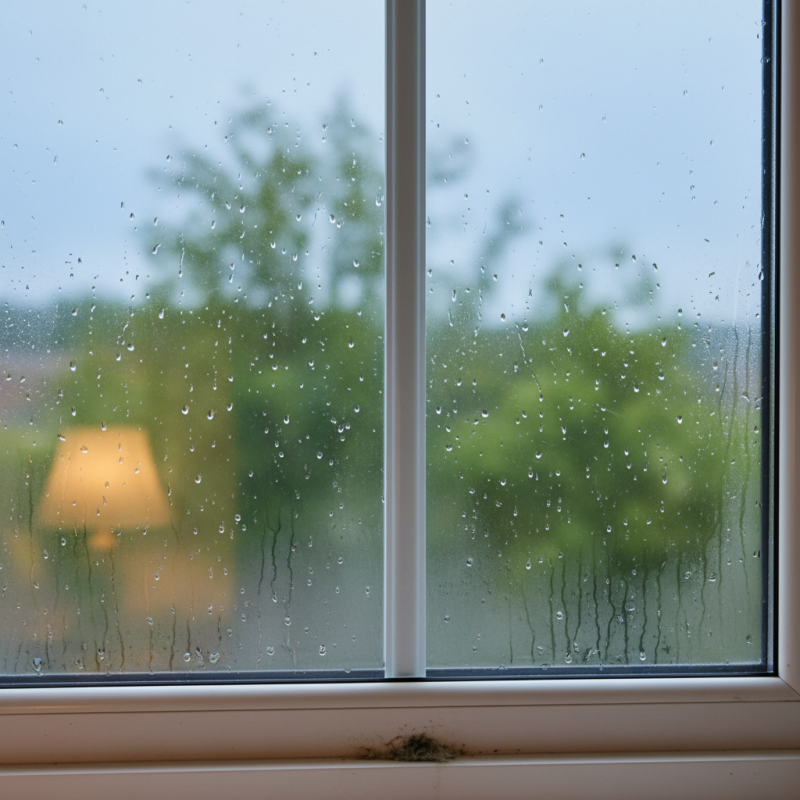
Condensation inside double glazing can be perplexing for homeowners. Many wonder why moisture forms between panes, especially in cold weather. It's essential to understand the underlying causes of this issue. Poor seals can lead to air leakage, allowing moisture to enter. Additionally, a lack of ventilation can create a perfect environment for condensation.
Temperature differences also play a vital role. When warm, humid air meets the cold glass surface, condensation occurs. This situation is often exacerbated by improper window installation. Homeowners often overlook these aspects, focusing solely on the visible issues. Over time, trapped moisture can affect the insulating properties of the glass.
Failing to address these issues can lead to bigger problems. For instance, mold growth may arise if condensation persists. This not only affects the home's aesthetics but also poses health risks. Understanding these factors helps in making informed decisions for maintenance. Homeowners should regularly check seals and ensure proper ventilation to minimize condensation risks.
Double glazing serves as an effective insulator, reducing heat loss in homes. However, condensation can form inside the sealed unit. Understanding this phenomenon requires knowledge of physics.
Moisture in the air can result in condensation when warm, humid air meets a cold surface. In double glazing, the space between the panes is designed to remain dry. Problems occur if the seal fails, allowing humid air to penetrate. This can be due to age, poor installation, or extreme weather conditions.
**Tips:** Regularly check the seals of your double glazing. Look for any gaps or signs of wear. Keep indoor humidity in check by using dehumidifiers in damp areas.
Ensuring good ventilation throughout your home is crucial. Open windows to let fresh air circulate. This helps balance indoor and outdoor humidity levels, reducing the risk of condensation.
Sometimes, condensation may still appear despite your best efforts. In such cases, professional assessment is necessary. They can identify underlying issues that may be causing persistent condensation. It's important not to ignore this problem, as it can lead to mold growth and damage over time.
| Reason | Description | Impact Level | Solutions |
|---|---|---|---|
| Poor Installation | Improper fitting of double glazing can lead to gaps where moisture can enter. | High | Ensure professional installation and regular checks. |
| Temperature Fluctuations | Rapid temperature changes can cause condensation to form. | Medium | Maintain stable indoor temperatures. |
| Humidity Levels | High indoor humidity from activities like cooking or drying clothes can lead to condensation. | High | Use dehumidifiers and proper ventilation. |
| Seal Failure | If seals around the glazing fail, moisture can enter the insulated space. | High | Regular inspection of seals and replacing when needed. |
| Inadequate Ventilation | Poor airflow leads to moisture accumulation. | Medium | Enhance ventilation in the home. |
| Window Age | Older double glazing units may lose their effectiveness over time. | Medium | Consider replacing aging units. |
| Poor Quality Materials | Low-quality glazing may not be properly insulated, leading to condensation. | High | Invest in high-quality glazing products. |
| Environmental Factors | External weather conditions can impact condensation levels. | Medium | Monitor weather and adjust indoor conditions accordingly. |
| Improper Maintenance | Neglecting to maintain windows can lead to increased condensation issues. | Medium | Regular cleaning and checks. |
| Condensation Inside Unit | Moisture can build up inside the double glazing unit over time. | High | Replace the unit if condensation occurs internally. |
In many homes, increased humidity leads to condensation inside double glazing. This issue can stem from everyday activities. Cooking generates steam, especially when boiling water. Showers also release significant moisture. Homes without proper ventilation retain this humidity, causing problems over time.
Additionally, gas appliances can produce excess moisture. When they burn fuel, they create water vapor. This is often overlooked but can be a major contributor. Poorly insulated windows may exacerbate the issue too. If the surrounding area isn’t sealed well, airflow can bring in humid air from outside.
Unexpected leaks could also play a role. Roof leaks or plumbing issues might spill water unnoticed. Humidity can rise unnoticed, leading to condensation. Sometimes, it feels challenging to identify these causes. Addressing these issues proactively can help control humidity levels. Regular checks on insulation and seals are essential.
Temperature differences play a significant role in the condensation seen inside double glazing. When the internal temperature of a home is warmer than the outside temperature, moisture can accumulate between the glass panes. According to the Window and Door Manufacturers Association (WDMA), temperature disparities can lead to a 30% increase in condensation risk.
Modern double-glazed windows are designed to minimize this effect. However, specific conditions can still create an environment conducive to condensation. For instance, high humidity levels inside the home can exacerbate this issue. Homes with inadequate ventilation are particularly vulnerable. When the windows are sealed tight, excess moisture has nowhere to escape, further increasing the likelihood of condensation.
Tips: Regularly check humidity levels inside your home. A hygrometer can help you monitor this effectively. Consider using exhaust fans in kitchens and bathrooms to reduce indoor humidity. Proper insulating and sealing around windows can also help maintain temperature differences effectively. Remember, even small changes can lead to significant improvements in condensation control.
Condensation inside double glazing often stems from poor installation practices. This issue arises when the airtight seal is not properly created.
A report from the Glass and Glazing Federation highlights that over 60% of condensation complaints link directly to installation flaws. If the frames are misaligned, the seal can break over time, allowing moisture to enter.
In addition, inadequate spacing between the glass panes may lead to thermal discrepancies. Studies indicate that a proper gap should be around 16mm for optimal performance. When this space is compromised, heat can escape or enter too easily, creating condensation as temperatures fluctuate. Homeowners frequently overlook the importance of selecting qualified installers. Nearly 30% of installations do not meet industry standards, leading to recurring condensation issues.
Moreover, the choice of materials plays a crucial role. An improperly selected glazing system can fail to manage temperature effectively, resulting in increased interior humidity. According to recent industry assessments, this can reduce energy efficiency by up to 20%. Observing signs of condensation frequently means re-evaluating installation processes and the expertise of different providers in the field.
Condensation inside double glazing can be frustrating. It often occurs when warm, moist air meets the cold surface of the glass. To combat this issue, it's essential to understand effective measures and solutions. One primary preventive method is ensuring proper ventilation. Installing vents helps reduce humidity levels indoors. Opening windows periodically allows fresh air to circulate, minimizing moisture buildup.
Another practical approach is to use a dehumidifier in rooms prone to dampness. This appliance effectively captures excess humidity, keeping the air dry. Sealing gaps around windows can also prevent cold air infiltration. Check for any deterioration in seals, as these can lead to condensation problems. Regular maintenance of the glazing unit is vital; monitor for fogging or moisture between the panes as signs of failure.
However, achieving a condensation-free environment is a work in progress. Lifestyle changes, such as drying clothes outside or limiting the use of indoor plants, can significantly reduce humidity. Reflect on your daily habits and adjust them to create a more stable indoor atmosphere. Being proactive about these issues is key to long-term solutions for maintaining clear double glazing.
: Condensation occurs when the internal temperature is warmer than the outside temperature. Moisture can gather between the panes.
High humidity inside a home raises the chance of condensation. Poor ventilation exacerbates the problem as moisture cannot escape.
Use a hygrometer to effectively check humidity levels at home. Regular checks can help manage moisture.
Use exhaust fans in kitchens and bathrooms. Proper sealing around windows also helps maintain a balanced environment.
Poor installation leads to inadequate seals, allowing moisture in. Over 60% of condensation issues are tied to installation problems.
The optimal gap should be around 16mm. Compromised spacing can lead to thermal discrepancies and increased condensation.
Choose qualified installers. Nearly 30% do not meet standards, contributing to recurring condensation issues.
Improperly chosen materials can fail to manage temperature well, increasing humidity levels. This can decrease energy efficiency.
Yes, even small adjustments can significantly improve condensation issues over time.
Persistent condensation often signals the need to reevaluate installation practices and installer expertise.
Condensation inside double glazing is a common issue that many homeowners face, leading to the question, "why does my double glazing have condensation inside?" This phenomenon primarily results from increased humidity levels in homes, combined with temperature differences between the inside and outside of the windows. Understanding the physics behind how double glazing works and the conditions that contribute to moisture buildup is essential for addressing the problem.
Common causes include poor ventilation and inadequate insulation, which can exacerbate humidity issues. Additionally, improper installation of double-glazed windows can significantly impact their effectiveness in preventing condensation. To combat this issue, homeowners can implement several solutions, such as improving ventilation, adjusting indoor humidity levels, and ensuring proper installation of their glazing. By addressing these factors, it is possible to minimize the occurrence of condensation and maintain a clearer and more comfortable living environment.
