MGW Glass
In the realm of digital printing, matching colors accurately is crucial, especially for projects involving glass. The demand for precision has never been higher. According to a recent industry report, over 72% of designers reported issues with color matching in digital print applications. This highlights the significant challenge when learning how to match digital print glass colors for large scale projects.
Achieving consistency across multiple glass prints is complex. Factors include ink composition, lighting conditions, and glass texture. These elements can lead to color variations that compromise the project’s overall aesthetic. An industry survey indicated that 65% of print professionals have encountered discrepancies that required rework. This underscores the need for effective strategies in color matching.
Understanding how to match digital print glass colors for large scale projects involves practical techniques and tools. Many professionals rely on color management software. Yet, even the best tools cannot replace the value of experience and keen observation. Learning from past projects and acknowledging imperfections can lead to improved practices. Embracing a mindset of continuous improvement is vital in overcoming these challenges.
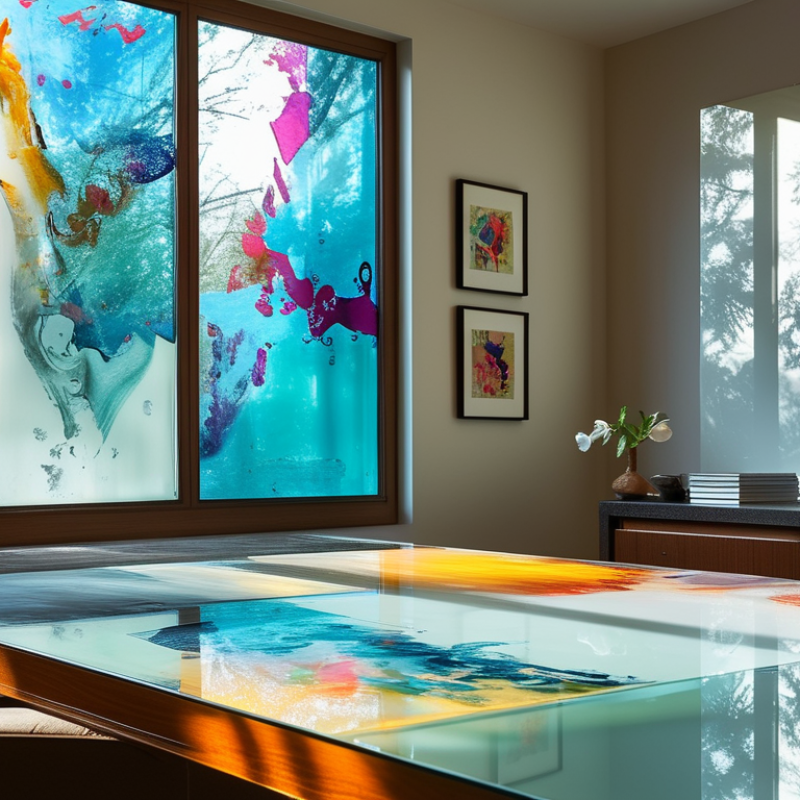
Understanding color theory is essential in digital printing. Color is subjective, influenced by individual perception. This subjectivity can lead to challenges in matching printed colors accurately. Familiarizing yourself with the color wheel can help. It illustrates primary, secondary, and tertiary colors, giving insight into color relationships.
The RGB model is vital for digital screens. It combines red, green, and blue light. However, when printing, the CMYK model is used. This method uses cyan, magenta, yellow, and black. The difference between these models can lead to unexpected results. Colors that look good on screen may not appear the same when printed.
Consider the environment where the print will be displayed. Lighting conditions greatly affect color perception. A color may look vibrant in natural light but dull under artificial light. Testing colors in the intended setting is crucial for accurate representation. Adjustments may be necessary, but this is part of the creative process.
Embracing the imperfections can lead to valuable learning experiences in color matching.
Selecting the right color profiles is crucial for glass printing projects. Glass is a unique medium. Its translucency and reflective qualities can easily alter how colors appear. Therefore, understanding the various color profiles is essential for achieving the desired outcome.
Many print professionals face challenges when matching colors. Common pitfalls include misunderstanding color spaces and misinterpreting printed samples. It's important to work closely with color management tools. These tools help ensure that the colors translate well from digital designs to glass surfaces. Not all profiles will yield a satisfactory result. Testing different profiles on small glass samples can reveal surprising discrepancies.
Another factor to consider is the type of glass used. Clear, frosted, or colored glass reacts differently to ink. Layering colors can create unexpected effects. Frequent monitoring and adjustments lead to more consistent results. Achieving the right hue involves patience and practice. Be prepared to make multiple revisions. This process can enhance the final product, leading to a more vibrant and appealing result.
When working with digital print glass, understanding material properties is crucial for achieving accurate color representation. Not all substrates reflect colors the same way. Glass types, for example, can significantly alter the apparent hue of printed colors. According to a report by the Color Association of the United States, color discrepancies can reach up to 30% when materials interact differently with light. This variability highlights the need for careful material evaluation.
To enhance color accuracy, consider testing samples in real-world lighting conditions. This step is often overlooked but can lead to significant insights. Observing how different glass finishes affect color perception is essential. A clear glass versus frosted finish will yield different results, impacting your project’s overall aesthetic.
When selecting materials, here are a couple of tips: always request physical samples and conduct mock-ups before finalizing your choices. You may find that what looks good in theory does not translate well to practice. Taking the time to ensure material compatibility can save costly mistakes later on. Familiarizing yourself with the properties of ink and print technologies can also improve outcomes in the long run.
Color matching in digital print projects is crucial for achieving vibrant and accurate results. According to a recent study by the Printing Industry of America, nearly 55% of print professionals struggle with color consistency across different materials. This statistic highlights the importance of effective techniques in color matching.
One tip is to always use calibrated monitors. An uncalibrated screen can distort colors, leading to disappointing results. Regular calibration ensures that colors displayed match those in the final print. Another crucial technique is to create physical swatches. Relying solely on digital representations can be misleading. Holding a printed sample against the intended material helps identify discrepancies early in the project.
It's essential to acknowledge that not all colors can be perfectly matched. For instance, neon colors can appear different when printed on glass versus paper. Understanding the limitations of different media is vital. Projects often require adjustments, reflecting the inherent complexities of color science. Staying updated with industry advancements aids in refining these techniques.
| Tip Number | Tip Description | Benefits |
|---|---|---|
| 1 | Use a Color Calibration Device | Ensures accurate color reproduction across different monitors. |
| 2 | Select the Right Color Profile | Improves consistency in color matching between devices. |
| 3 | Utilize Pantone Colors | Provides a standardized color reference for matching. |
| 4 | Test Prints on Similar Materials | Accurately reflects how colors will appear in the final product. |
| 5 | Adjust Print Settings for Optimal Results | Enhances the quality of the printed colors. |
| 6 | Use Lighting for Viewing Color | Consistency in viewing conditions helps in accurate assessments. |
| 7 | Conduct Regular Color Checks | Maintains color accuracy over time. |
| 8 | Combine Digital and Physical Samples | Provides a comprehensive understanding of color appearance. |
| 9 | Learn Color Theory Basics | Informs better decision-making in color selection. |
| 10 | Stay Updated on Software Tools | Utilize the latest advancements for precise color matching. |
When working with digital print glass, achieving color consistency is crucial. Testing and adjusting colors can be a challenge, yet it is essential for high-quality outcomes. According to a 2021 industry report, 75% of print professionals have reported inconsistent colors as a major obstacle. This highlights the need for thorough testing methods.
Conduct mock-ups using multiple substrates. Observe how colors shift on different surfaces. Lighting can change hues dramatically. Roughly 25% of professionals found that varying light sources impacted their results. Implementing a standardized lighting environment can minimize these discrepancies.
Utilize software tools for precise color calibration. Monitor your color profiles regularly, as outdated data could lead to poor alignment with your project goals. Understand that slight variations are normal. Aim for an acceptable color range rather than perfection. Remember, the goal is consistency, not flawlessness. Regular checks can prevent major issues during the production phase.
: Color theory helps understand color relationships and improve accurate color matching in digital printing.
The RGB model is used for screens, while the CMYK model is used for printing.
Lighting conditions can make colors look vibrant or dull, impacting the final appearance of prints.
Color profiles greatly affect how colors appear on glass due to its unique reflective qualities.
Misunderstanding color spaces and misinterpreting printed samples are frequent challenges in color matching.
Test different color profiles on small glass samples to discover potential discrepancies and adjust accordingly.
Using calibrated monitors can prevent color distortion, ensuring more accurate results in printing.
No, some colors, like neon shades, can look different on various mediums, requiring adjustments.
Physical swatches help identify discrepancies early by comparing printed samples to intended materials.
Staying updated with industry advancements can refine color matching techniques and improve the final results.
In the digital printing realm, understanding color theory is crucial for achieving vibrant and accurate results, especially when it comes to glass printing. This article outlines essential tips on how to match digital print glass colors for large scale projects. It begins by emphasizing the importance of selecting the appropriate color profiles tailored specifically for glass materials, which can significantly influence the final output.
Further, the article discusses evaluating the materials used as they can affect color accuracy, ensuring that the chosen substrates align with the envisioned hues. Techniques for effective color matching are highlighted, including the necessity for detailed calibration and adjusting colors appropriately. Finally, it stresses the importance of testing and maintaining consistency throughout the printing process, which is vital for ensuring that large-scale projects maintain uniformity and quality from start to finish.
