MGW Glass
When considering soundproofing options for your home, Acoustic Laminated Glass stands out. According to Dr. Emily Harper, an expert in acoustic materials, "The right glass can transform your living space into a peaceful retreat." Choosing the appropriate glass ensures comfort and reduces noise pollution in urban environments.
Search for transparency in the specifications of Acoustic Laminated Glass. Pay attention to the thickness and the interlayer materials used. This choice impacts not only sound attenuation but also safety and energy efficiency. Opting for poorly rated glass can lead to regrets down the line.
Many homeowners overlook essential details when selecting Acoustic Laminated Glass. They focus solely on aesthetics or price. Yet, true value lies in quality craftsmanship. Reflecting on the long-term benefits can reveal the importance of careful consideration. A hasty decision may lead to challenges in achieving the desired serenity even in bustling neighborhoods.
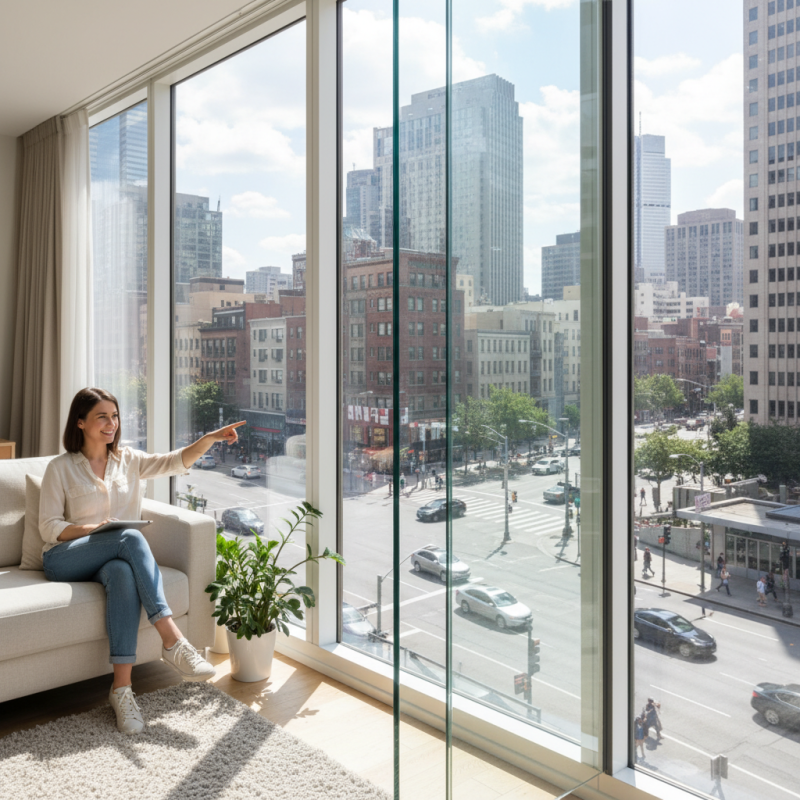
Acoustic laminated glass is designed to reduce noise pollution. It consists of two or more layers of glass bonded by a sound-dampening interlayer. This feature makes it a popular choice for residential areas near busy roads or airports. Reports indicate that using acoustic laminated glass can reduce outside noise by up to 35 decibels, significantly improving comfort and tranquility indoors.
The benefits extend beyond noise reduction. Enhanced safety and security are also key advantages. Laminated glass holds together when shattered, making it difficult for intruders to break in. According to the National Glass Association, this type of glass can improve energy efficiency by providing additional insulation. You must consider the thickness and type of interlayer to maximize these benefits.
However, it's important to remember that not all acoustic laminated glass is created equal. Some options may not meet your specific needs. While you might pay a premium, cheap alternatives could underperform. Reflecting on the long-term value and performance is vital when making your choice. Be cautious; the wrong choice could lead to regret down the line.
When selecting acoustic laminated glass for your home, several factors require careful evaluation. Sound insulation is paramount. According to the European Union standards, a minimum Sound Reduction Index (Rw) of 35 dB is recommended for residential spaces. That means, ideally, you want to block out noise effectively to create a peaceful atmosphere.
The thickness of the glass plays a crucial role. Thicker glass creates better sound dampening. You might consider using glass with varying thickness to enhance sound isolation. It’s important to recognize that the installation process is just as vital as the material choice. Poor installation can lead to air gaps that diminish soundproofing effectiveness.
Another factor is safety. Acoustic laminated glass usually involves a layer of polyvinyl butyral (PVB) that adds durability. Yet, not all PVB interlayers are created equal. Ignoring this can compromise both sound insulation and safety. Remember, effective soundproofing is not solely about the glass itself. Consider your overall window design and surrounding materials. These elements influence performance too.
When selecting acoustic laminated glass, it's essential to compare different types. There are primarily two categories: standard and specialized acoustic laminated glass. Standard versions typically reduce noise by about 28 decibels. This level may not suffice in noisy urban environments.
Specialized acoustic laminated glass can attenuate sound by as much as 50 decibels. Reports from the Glass Association also indicate a marked difference in performance under specific frequencies. For instance, thicker glass can enhance sound barriers significantly. Many homeowners overlook this aspect, focusing solely on aesthetics.
However, increased thickness may lead to other concerns. Installation may pose difficulties, and additional structural support could be necessary. Weighing these factors is crucial when making a choice. Additionally, the cost can escalate with higher performance ratings. Not every homeowner accounts for their budget constraints during the selection process, leading to potential regrets later on.
When installing acoustic laminated glass, precision is key. Accurate measurements ensure a snug fit. It's essential to check for any gaps that might reduce soundproofing efficiency. Consider using professionals for installation. They have the expertise to handle complexities. Mistakes can lead to costly repairs in the future.
Maintaining acoustic laminated glass requires regular cleaning. Use a gentle cleaner to avoid scratching. Strong chemicals can damage the laminate. Check for cracks or scratches periodically. Even minor damage can affect sound insulation. Reseal edges if needed to maintain effectiveness. It's a good idea to develop a routine inspection plan. This practice helps catch issues before they escalate.
| Aspect | Description | Tips |
|---|---|---|
| Sound Reduction | Laminated glass effectively reduces noise transmission. | Consider thickness and inner acoustic layer for optimal soundproofing. |
| Safety | Laminated glass is shatter-resistant, enhancing safety. | Choose high-quality laminate options for increased durability. |
| Energy Efficiency | Helps in maintaining indoor temperature by reducing heat transfer. | Look for low-E coatings for better insulation. |
| Aesthetic Appeal | Available in various styles and tints to suit home design. | Select finishes that complement your home’s architecture. |
| Installation | Requires professional skills for proper fitting and sealing. | Always hire certified installers for best results. |
| Maintenance | Easy to clean; however, improper care can cause damage. | Use pH-neutral cleaners and soft cloths to maintain clarity. |
Choosing the right acoustic laminated glass involves careful budgeting. Prices can vary significantly based on quality and thickness. For a typical residential installation, expect to spend anywhere from $30 to $70 per square foot.
Consider additional costs too. Installation fees can add to your overall budget. You might also need custom sizes or shapes, which can increase expenses. Don’t forget about potential maintenance costs later on. Although it seems daunting, breaking down costs into clear categories helps.
Reflect on your priorities. Do you value sound insulation more than aesthetics? Being honest about your needs can guide your decisions. Sometimes, going for cheaper options may lead to regrets later. Finding a balance between cost and quality is essential. It's a fine line between staying within budget and ensuring lasting satisfaction.
: Acoustic laminated glass reduces noise pollution with multiple bonded glass layers and a sound-dampening interlayer.
It can reduce outside noise by up to 35 decibels, improving indoor comfort significantly.
Besides noise reduction, acoustic laminated glass enhances safety and security when shattered.
Thicker glass offers better sound dampening. Using varying thickness can enhance isolation.
Proper installation is crucial. Poor installation can create gaps, compromising soundproofing effectiveness.
No, they vary in quality. Cheap options may not meet your needs and can disappoint.
The interlayer, often polyvinyl butyral, adds durability and affects safety. Not all are equally effective.
The overall design and surrounding materials also impact acoustic performance. They should not be overlooked.
Yes, consider long-term value. Cheaper alternatives might lead to regret and ineffective sound reduction.
Acoustic Laminated Glass is an excellent choice for homeowners seeking to reduce noise pollution while enhancing their living spaces. This specialized glass offers numerous benefits, including improved sound insulation and increased safety, making it ideal for both new constructions and renovations. When choosing Acoustic Laminated Glass, several factors must be considered, such as thickness, the type of interlayer used, and the overall design of the home.
Additionally, it’s crucial to explore the various types of Acoustic Laminated Glass available, as each type may offer different levels of sound reduction. To ensure optimal performance, proper installation and regular maintenance are essential. Lastly, budget considerations play a significant role in the selection process, as Acoustic Laminated Glass can vary considerably in price. By carefully evaluating these aspects, homeowners can make an informed decision that meets their acoustic needs and enhances their property's value.
