MGW Glass MGW Glass

Is it Possible to Retrofit Smart Glass into Existing Window Frames?

Time:2026-03-27 Author:Madeline
0%

The integration of smart glass technology into existing windows raises a pertinent question: "Is it possible to retrofit smart glass into existing window frames?" Industry expert Dr. Emily Carter, a leading innovator in building technologies, emphasizes, "Retrofitting smart glass can greatly enhance energy efficiency, but challenges remain."

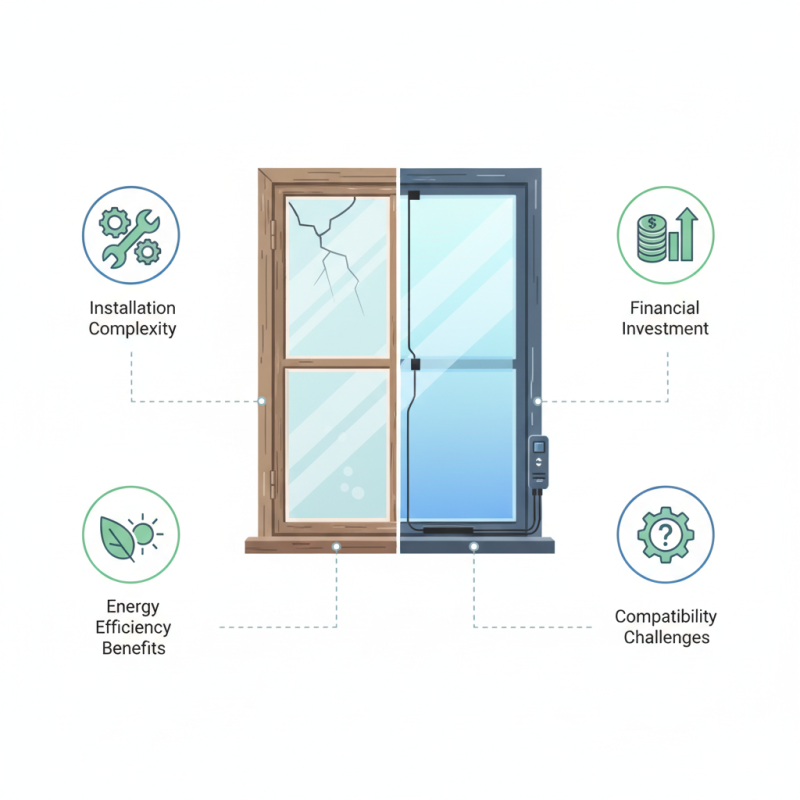
As buildings age, their windows often become outdated. Many owners desire the benefits of smart glass, such as light control and insulation. However, retrofitting can be complex. The existing frames may not support the weight or dimensions of new smart glass installations. Furthermore, compatibility with current window designs is not guaranteed. Each window frame can present unique challenges that need careful assessment.

Moreover, installation requires skilled professionals. Improper fitting can lead to leaks or reduced performance. Financial investment is also a consideration. Although retrofitting promises long-term savings on energy bills, the upfront costs can deter property owners. It’s essential for potential adopters to weigh these factors against the benefits, creating an ongoing discussion in the industry about the practicality and feasibility of this innovation.
Is it Possible to Retrofit Smart Glass into Existing Window Frames?

Understanding Smart Glass Technology and Its Benefits

Smart glass technology has gained popularity for its unique ability to control light and temperature. This innovation allows glass to switch from transparent to opaque with the flip of a switch. The benefits are numerous. Homeowners can enjoy privacy when needed without the hassle of curtains or blinds. Moreover, smart glass can help reduce energy costs. It acts as an insulator, keeping homes cooler in summer and warmer in winter.


Retrofitting smart glass into existing window frames may seem complicated. However, it often involves replacing traditional glass with smart glass panels. This can improve energy efficiency significantly. A well-executed retrofit enhances both the functionality and aesthetic appeal of a building. But, the effectiveness of the installation may vary due to frame conditions. Some existing frames may not support the weight of smart glass.


While smart glass offers advanced features, it’s not a one-size-fits-all solution. The initial investment can be high, which raises questions for many homeowners. Careful consideration is needed. Factors like climate, budget, and window orientation play essential roles in decision-making. Adapting smart glass technology to unique situations may present challenges, yet it can transform living spaces when done right.

Assessing Compatibility of Existing Window Frames for Retrofitting

Retrofitting smart glass into existing window frames can seem appealing, but compatibility is crucial. Older frames may not support the unique requirements of smart glass. Many window frames, especially those from the 70s or 80s, have a different structural design. These designs often lack the necessary support for modern technology.

It is essential to consider the frame materials. Wood, metal, and vinyl may respond differently to smart glass installations. For example, wood may warp over time, while metal frames might not accommodate the added weight. A thorough inspection of the existing window frames is necessary. There might be challenges like uneven fittings, which could disrupt the installation.

Sometimes, the aesthetic of the frame clashes with the sleek look of smart glass. This could undermine the visual appeal of your home. Moreover, local building codes may limit the types of retrofitting allowed. Homeowners must gauge whether the retrofit is worth the potential headaches. Sometimes, it's best to rethink how you want your windows to function and look.

Step-by-Step Process for Retrofitting Smart Glass into Old Windows

Retrofitting smart glass into existing window frames can be a transformative process for enhancing energy efficiency. Smart glass can help regulate indoor temperatures by adapting to sunlight. According to a report by the International Energy Agency, buildings account for approximately 36% of global energy use. Integrating smart glass allows homeowners to potentially reduce energy costs by up to 30%, making this upgrade financially beneficial.

The retrofitting process begins with careful measurement of the existing window frame dimensions. Accurate measurements are crucial for a seamless fit. Removing the old glazing requires precision to avoid damaging the frame. Next, a compatible smart glass unit must be chosen. Some options involve switchable films or polymer-based glass, each offering unique benefits. Installation can be complex, often requiring professional expertise. Improper installation may lead to air leakage, diminishing energy-saving benefits.

Finally, sealing the edges with weather-resistant material helps prevent moisture ingress. Proper sealing is essential, yet many overlook this step. A small mistake can lead to condensation issues. Monitoring energy savings post-retrofit is advisable. Homeowners should track energy bills for several months. This data can highlight potential issues with installation or product efficiency. Adaptations may be necessary based on performance feedback. Being proactive in these areas can lead to more satisfactory outcomes.

Challenges and Limitations of Retrofitting Smart Glass

Retrofitting smart glass into existing window frames presents various challenges. First, compatibility between the smart glass and the frame is crucial. Older frames may not support the weight or thickness of new glass. Additionally, the integration of wiring for electronic components can be complex. Homeowners often face difficulties with this aspect.

Installation issues arise frequently. Old windows may have structural damage, making them unsuitable for new technologies. Retrofitting might also require extensive modifications, leading to increased costs. Not everyone is prepared for such expenses.

Tips:

  • Measure your existing frames thoroughly before purchasing smart glass. Proper measurements can save time and money.
  • Consult a professional to assess the feasibility of your current window frames. Their expertise can help avoid costly mistakes.
  • Consider temporary solutions before fully committing, like applying smart film to your windows.

Keep in mind, retrofitting smart glass is not a one-size-fits-all solution. Homeowners need to evaluate their specific situations carefully. Not all windows can adapt easily to this technology. Reflection and thoughtful consideration are key before starting this project.

Cost Considerations and Energy Savings from Retrofitting Smart Glass

Retrofitting smart glass into existing window frames offers intriguing potential for energy savings. These innovative windows can adapt to sunlight, reducing glare and heat. They work by changing tint based on external light. This technology minimizes the need for excessive heating or cooling. Imagine a room that stays cooler in the summer and warmer in the winter, significantly lowering energy bills.

However, costs can be a hurdle. The initial investment for retrofitting smart glass may seem steep. Installation might require additional framing or structural support. Homeowners should weigh these costs against potential savings. Are energy bills substantial enough to justify the expense? Additionally, retrofitting can disrupt the current window aesthetics. Some may find the visual change unappealing.

It’s essential to consider the local climate as well. Energy savings vary based on weather patterns. In sunny areas, smart glass can be a game-changer. Yet, in less sunny regions, benefits might diminish. Each situation is unique and demands careful thought. Engaging with professionals could clarify uncertainties. Exploring all options helps ensure the best decision for your home.

FAQS

: What is important to consider before retrofitting smart glass into old frames?

: Compatibility with existing window frames is crucial. Older frames may lack the necessary support for smart glass.

How do frame materials impact smart glass installation?

Different materials respond differently. For instance, wood can warp, while metal may not support the added weight.

What challenges might arise during installation?

Uneven fittings can disrupt installation. Poorly assessed frames can lead to complications later on.

Can the aesthetic of my windows affect the retrofit?

Yes, the frame's look may clash with the sleek design of smart glass, impacting the home's visual appeal.

How can smart glass improve energy efficiency?

It adapts to sunlight, helping regulate indoor temperatures. Homeowners may reduce energy costs by up to 30%.

What is the first step in the retrofitting process?

Careful measurement of existing window frame dimensions is vital for a correct fit.

Why is professional installation recommended?

Installation is complex, and mistakes can lead to air leakage, reducing energy-saving benefits.

What sealing measures should be taken post-installation?

Edges should be sealed with weather-resistant material to prevent moisture ingress, which many might overlook.

How can homeowners track retrofit performance?

Monitoring energy bills over several months can highlight installation efficiency and identify potential issues.

What should be done if performance issues are detected?

Homeowners may need to adapt based on performance feedback for better outcomes. Ignoring this can hinder benefits.

Conclusion

The article "Is it Possible to Retrofit Smart Glass into Existing Window Frames?" explores the feasibility and benefits of integrating smart glass technology into older window structures. It begins by explaining the advantages of smart glass, such as energy efficiency, privacy control, and enhanced comfort. The article then discusses the compatibility of existing window frames for retrofitting, emphasizing the need for careful assessment to ensure a proper fit.

Following this, a step-by-step process for retrofitting is outlined, guiding homeowners through the necessary considerations and techniques. Despite its advantages, the article also highlights the challenges and limitations of such retrofitting, including potential structural issues and installation complexities. Finally, it provides insight into cost considerations and the anticipated energy savings, assisting readers in making informed decisions about whether it is possible to retrofit smart glass into their existing window frames.

Madeline

Madeline

Madeline is a dedicated marketing professional with a wealth of expertise in our company's core offerings. With a keen understanding of the industry, she brings a unique perspective to her role, consistently delivering high-quality content that highlights the superior aspects of our products. As......