MGW Glass
As the demand for energy-efficient solutions grows, many homeowners wonder, "Is it possible to retrofit smart glass into existing window frames?" According to Dr. Emily Chen, a leading expert in building technology, "Retrofitting smart glass can enhance both comfort and energy savings." However, the journey to upgrade your windows is not without challenges.
Smart glass offers features like adjustable tinting and UV protection. Yet, integrating it into existing frames requires careful planning. Homeowners must consider the frame's structural integrity and compatibility with new technology. This process can be complex, and it's essential to consult professionals.
Furthermore, not all window frames are suitable for this retrofitting. Some may need modifications or replacements. Those modifications can impact costs and timelines. Therefore, it’s crucial to assess your specific situation before starting. While the benefits of smart glass are clear, the feasibility of retrofitting varies by case. It’s worth exploring, but preparation is key.
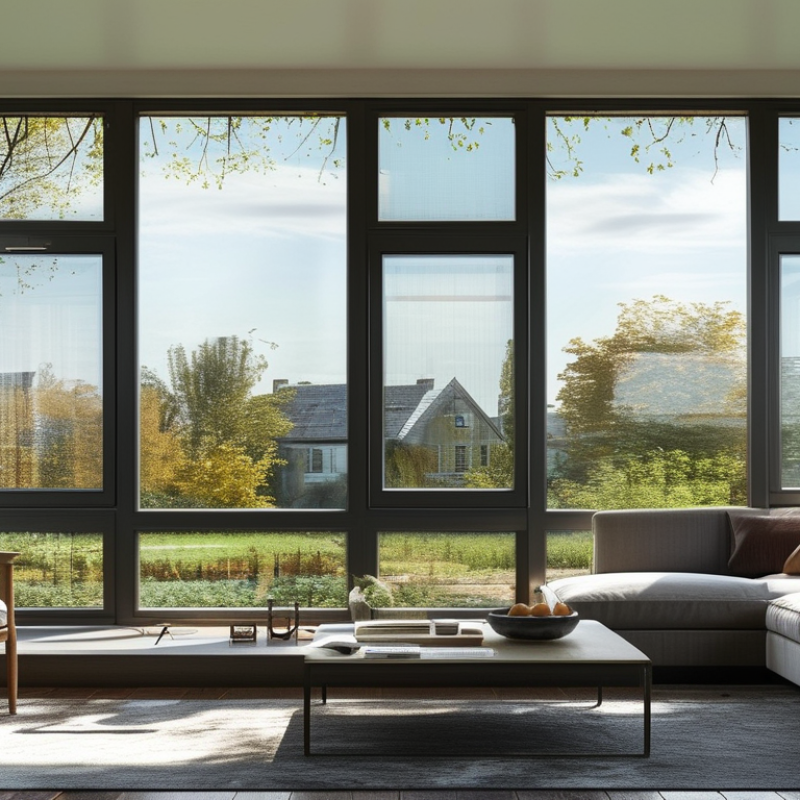
Smart glass technology offers exciting possibilities for retrofitting existing window frames. This innovative glass adapts to light and temperature changes, improving comfort and energy efficiency. It can tint automatically or switch from transparent to opaque, allowing for better control of privacy and glare.
Understanding smart glass involves recognizing its types, such as electrochromic or thermochromic. Each type has unique features that cater to different needs. For instance, electrochromic glass requires a power source but provides excellent light control. In contrast, thermochromic glass changes color based on heat exposure, offering a passive solution.
Retrofitting requires careful attention to existing frames. Compatibility with your current structure is essential. Measurement accuracy plays a crucial role in achieving a seamless fit. Consider potential issues, like sealing and insulation. Effectively addressing these can lead to a smoother installation. However, it’s not just about the tech; budget and aesthetics must align too.
When considering retrofitting smart glass into existing window frames, assessing compatibility is crucial. Many homeowners overlook the structural integrity of their frames. Not all windows can accommodate the variations in weight or installation methods that come with smart glass technology. According to a recent industry report by the Glass Association, over 30% of retrofitting projects face complications due to frame incompatibility.
It’s essential to measure the dimensions and material of your current window frames. Aluminum and vinyl frames generally perform better with smart glass integration compared to wood frames. Wood can warp over time, leading to potential installation challenges. Additionally, the thermal expansion rates of the materials should be taken into account. Incompatibilities here might create gaps or stress cracks in the smart glass.
Homeowners should also consider insulation capabilities. Smart glass often has specific insulation requirements that existing frames must meet. A study from the National Energy Efficiency Association shows that over 25% of window frames do not align with these specifications. Evaluating these factors can prevent costly mistakes and ensure a successful retrofit. Investing time in compatibility assessments ultimately leads to better performance and satisfaction with smart window solutions.
When retrofitting smart glass into existing window frames, accurate measurements are crucial. A 2019 report by the International Energy Agency highlights that improper fitting can lead to up to 30% inefficiency in energy performance. To get the best results, take multiple measurements of each window, accounting for any irregularities in the frame. This ensures your smart glass fits snugly, maximizing benefits like energy savings and comfort.
Here are some tips to consider. Always measure from the inside edge of the frame to avoid discrepancies. A laser measuring tool can improve accuracy. Using a straightforward approach helps prevent costly mistakes. Check for any warping or damage in the old window frame. This could affect the installation of the smart glass. Any imperfections need careful evaluation, as they might require repair before retrofitting.
Remember that standard dimensions may not apply to every building. Older homes often have non-standard window sizes. Be prepared to customize your measurements. The process can feel daunting, and it's important to remain patient. Taking the time to get it right will pay off in the long run.
Installing smart glass into existing window frames can significantly enhance energy efficiency and comfort. The installation process requires careful planning and precision. According to recent data, retrofitting smart glass can reduce heating costs by up to 40%, making it an appealing choice for homeowners.
Before starting, inspect your existing frames to ensure they can accommodate the new glass technology. Some frames may require modifications. Ensuring a perfect fit is crucial, as gaps can lead to heat loss or condensation issues. Use shims and caulking to ensure a tight seal.
Tips for a successful installation include measuring twice to confirm dimensions and selecting the right type of smart glass that matches your frame design. If your frames are older, consider their structural integrity; they may need reinforcement. Remember, the installation process can be complex and might need professional input to achieve the best results.
Retrofitting smart glass into existing window frames can enhance your home's energy efficiency. Regular maintenance is crucial for maximizing their performance. Studies indicate that properly maintained smart glass can reduce energy consumption by up to 30%. Yet, many homeowners overlook specific care routines that can make a difference.
Tip: Clean the glass with a soft, lint-free cloth. Avoid abrasive materials that can scratch the surface. Use only mild cleaning solutions to preserve the smart technology embedded within the glass. Neglecting this simple step can affect the glass's responsiveness to light and heat.
Another area to pay attention to is the seals and frames. Periodically check for signs of wear or degradation. A compromised seal can reduce the insulating effectiveness of smart glass, leading to increased energy costs. According to industry reports, up to 15% of energy loss can be attributed to poorly maintained window seals.
Tip: Inspect the frames annually for moisture buildup or any gaps. Sealing these gaps not only protects the glass but also improves your home's overall comfort. Make these small checks a routine, as they play a significant role in the longevity of your smart windows.
| Tip Category | Description | Maintenance Frequency |
|---|---|---|
| Cleaning | Use non-abrasive cleaners on the glass to avoid scratching the surface. | Every 2-3 months |
| Inspect Seals | Check for any leaks or damage in window seals regularly to prevent moisture entry. | Every 6 months |
| Check Power Supply | Ensure that the smart glass system is connected properly to its power source. | Quarterly |
| Software Updates | Regularly check for software updates to optimize functionality. | Annually |
| Professional Inspections | Consider hiring a professional to assess the condition of your smart glass setup. | Every 2 years |
: Smart glass technology adapts to light and temperature changes. It improves comfort and energy efficiency for spaces.
The main types are electrochromic and thermochromic. Each has unique features for specific needs.
Electrochromic glass requires power. It provides excellent control over light and can switch between transparent and opaque.
Thermochromic glass changes color with heat exposure. It offers a passive solution for privacy and glare control.
Measure your existing frames accurately. Ensure compatibility and anticipate issues like sealing and insulation.
Clean with a soft, lint-free cloth. Avoid abrasive materials. Use mild cleaners to protect the technology.
Compromised seals can lead to energy loss. Up to 15% of energy costs can be attributed to poorly maintained seals.
Inspect frames annually for moisture or gaps. Regular checks enhance the window's overall performance and comfort.
Yes, properly maintained smart glass can cut energy costs by up to 30%. Routine care is crucial for performance.
Neglecting maintenance can affect responsiveness and increase energy bills. Minor checks are essential for longevity.
The article titled "Can You Retrofit Smart Glass into Existing Window Frames Tips" explores the feasibility and practical considerations of integrating smart glass technology into pre-existing window structures. It discusses how smart glass operates, evaluating whether existing frames can support this innovative material. The content emphasizes that while it is possible to retrofit smart glass into existing window frames, careful assessment and measurement are critical for a successful installation.
A structured approach is presented, outlining a step-by-step guide for measuring windows and ensuring compatibility with smart glass. Additionally, the article details the installation process, highlighting key steps to follow for proper fitting. It concludes with maintenance tips to ensure the longevity and effectiveness of retrofitted smart glass windows, providing valuable insights for homeowners considering this modern upgrade.
