MGW Glass
Traffic noise can be a significant disturbance in urban living. Many people struggle with the constant sound of vehicles. This can negatively impact sleep and overall well-being. This is where soundproof glass comes into play.
Understanding how to reduce outside traffic noise with soundproof glass is essential for those seeking peace in their homes. Quality soundproof glass can effectively block out noise. It creates a calming environment that allows residents to focus and relax. However, selecting the right type of soundproof glass can be challenging. The market is flooded with options, each claiming superior performance.
Not everyone is familiar with the nuances of soundproofing. Some might feel overwhelmed by the choices available. That’s why detailed research is crucial when making a decision. Consulting with experts can provide valuable insights. Investing in the right soundproof solution is not just a luxury. It is a necessity for a more comfortable living space.
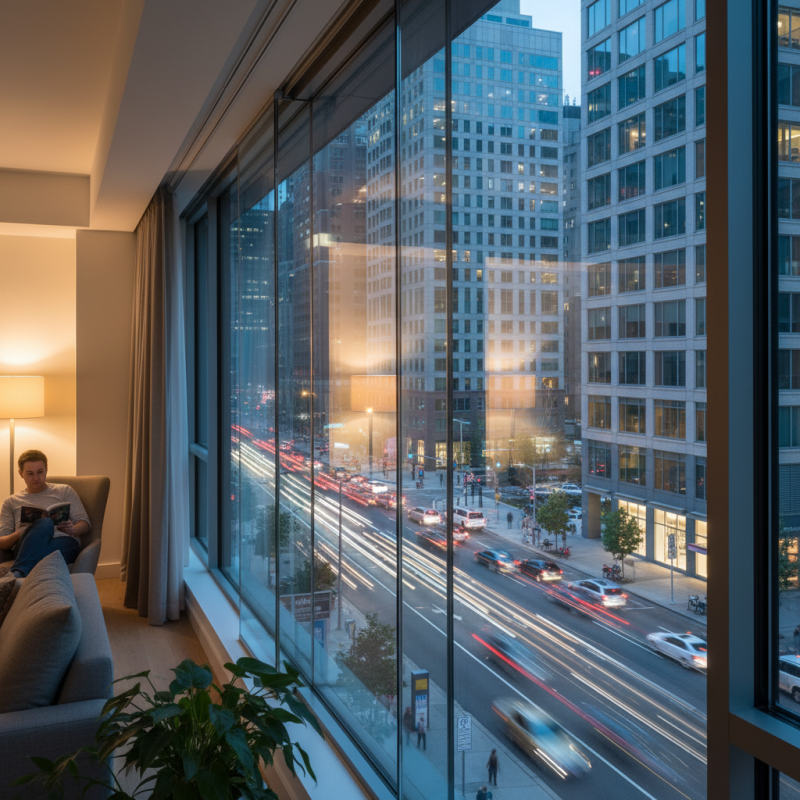
Urban environments are often bustling with life, but they come with a downside: noise pollution. The constant hum of traffic, construction, and crowds can be overwhelming. Soundproof glass solutions provide a way to combat this issue effectively. This specialized glass can significantly reduce the amount of external noise that enters a building.
In cities where noise levels can easily exceed safe limits, soundproof glass becomes essential. Its design includes multiple layers and air gaps, which trap sound waves. This technology ensures that indoor spaces remain quiet and serene, promoting well-being. However, implementing these solutions isn't always straightforward. Installation can be costly, and not all buildings can accommodate the necessary modifications.
Beyond practical aspects, there are social implications to consider. Noise pollution affects mental health, productivity, and overall quality of life. By embracing soundproofing technologies, urban planners and homeowners can contribute to creating quieter, more livable spaces. Nevertheless, it's vital to pay attention to local environments. Not every area may need the same level of soundproofing, making tailored solutions important. Involving community feedback can enhance effectiveness and acceptability.
When considering soundproof glass solutions, understanding Sound Transmission Class (STC) ratings is crucial. STC ratings measure a window's ability to block sound. A higher STC rating means better noise reduction. For residential properties, a rating of 30 to 35 is good for urban environments with moderate street noise. If you live near a busy road, aim for windows with an STC rating of 40 or higher.
Tips: No single solution fits all. Different factors affect sound transmission, such as window frame material. Use laminated glass for enhanced sound insulation. Also, consider double-glazing instead of single-glass options. Each layer adds mass and improves the overall STC rating.
Acoustic seals are vital. Poor sealing can lead to leaks that allow sound to pass through. Check for gaps around your windows. If needed, apply acoustic caulking to improve sound insulation. While these solutions can be effective, remember that noise reduction may not be perfect. Testing different options will help you find the best fit for your home. Soundproofing is an ongoing process that often requires adjustment and experimentation.
When it comes to soundproofing a home, window solutions play a crucial role.
Double glazed glass is a popular choice. It consists of two glass panes with air or gas in between. This design significantly reduces outside noise.
Studies show that it can block around 30-35 dB of sound. It's effective for moderate noise levels, like traffic. However, if you face constant disturbances, it may not suffice.
Triple glazed soundproof glass offers an added layer of protection. With three panes of glass, it can block up to 50 dB of noise.
The additional layer creates more airspace, which enhances insulation. This option is ideal for homes in bustling urban areas.
It effectively reduces the impact of heavy traffic sounds. However, it comes with a higher cost and increased weight.
Choosing between double and triple glazing ultimately depends on your noise exposure.
Consider the specific sounds you wish to block. Reflect on your budget and insulation needs.
Each choice has its advantages and drawbacks. Evaluating your situation will help you make the best decision.
When tackling outside traffic noise, effective installation of soundproof glass is crucial. Sound insulation performance largely depends on the installation process. A report from the International Journal of Environmental Research indicates that improperly installed soundproof glass can reduce its effectiveness by up to 30%. This emphasizes the need for proper techniques to ensure optimal noise reduction.
Utilizing thick, laminated glass is one common approach, as studies show that it can block up to 97% of noise. However, seal integrity is key. Gaps and leaks can drastically diminish the soundproofing capabilities. Research from the Acoustical Society of America highlights that even small openings can allow significant noise infiltration. It's essential to use high-quality sealants and ensure that frames are airtight.
The installation angle also plays a role. Installing glass at an angle can alter sound wave paths, providing better noise attenuation. A case study in a metropolitan area demonstrated a 15% greater noise reduction when soundproof glass was installed at a 30-degree tilt. These nuanced details reflect the complexity of soundproofing. An effective strategy requires both high-quality materials and meticulous attention to installation techniques.
Reducing outside traffic noise is essential for many homeowners. Installing soundproof glass solutions can significantly improve your living environment. However, it’s crucial to consider the cost-benefit aspect of these solutions before making a decision.
Soundproof glass is often thicker and has multiple layers. This enhances insulation against noise but can come at a higher upfront cost than regular windows. Homeowners may save on energy bills in the long run. Additionally, properties with soundproof features may have a higher resale value. Noise pollution can affect mental health, so investing in peace might be worth it.
**Tips:** Assess current window conditions. Damaged or old glass may require replacement. Look into local regulations for installation. Comparing quotes from different suppliers helps find the best deal. Some may offer financing options to ease the cost burden. Taking these steps can lead to improved comfort and a more silent home.
This chart illustrates the cost-benefit analysis of installing soundproof glass in residential properties. The benefits are measured in terms of noise reduction (in decibels), while the costs reflect the average installation costs.
: STC ratings measure a window's ability to block sound. Higher ratings mean better noise reduction.
An STC rating of 30 to 35 is good for urban environments with moderate street noise.
Consider laminated glass and double-glazing for better sound insulation. Each layer enhances the STC rating.
Poor seals allow sound to leak through. Check for gaps and use acoustic caulking when needed.
Double glazed glass has two panes, blocking 30-35 dB of noise. Triple glazed blocks up to 50 dB with three panes.
Triple glazing provides better insulation and noise reduction, especially in busy areas, but it's pricier and heavier.
Think about your noise exposure, budget, and specific sounds you want to block. Each option has its pros and cons.
No, noise reduction may not be perfect. Testing different options is essential for finding what works best for your home.
Soundproofing often requires adjustment and experimentation. It is an ongoing process to achieve the desired results.
In urban environments where outside traffic noise can be overwhelming, understanding how to reduce outside traffic noise with soundproof glass is crucial. Soundproof glass solutions are designed to enhance comfort and tranquility in homes by significantly lowering sound transmission. The effectiveness of these solutions is often measured by Sound Transmission Class (STC) ratings, with higher ratings indicating better noise reduction capabilities.
A comparative analysis reveals that both double and triple glazed soundproof glass offer substantial benefits, with triple glazing providing superior performance. Effective installation techniques play a vital role in maximizing noise reduction, ensuring a tight seal and minimizing sound leaks. Homeowners can also benefit from a cost-benefit analysis, weighing the initial investment against the long-term advantages of noise reduction, energy efficiency, and enhanced property value. Through soundproof glass, achieving a peaceful living environment amidst the hustle and bustle of city life becomes attainable.
