MGW Glass MGW Glass

10 Reasons Why Tempered Glass Breaks Spontaneously?

Time:2026-05-16 Author:Charlotte
0%

Tempered glass is widely used in various applications due to its strength and safety features. However, a troubling phenomenon arises: why does tempered glass sometimes break spontaneously? Industry reports suggest that up to 10% of tempered glass installations experience spontaneous breakage. This raises concerns and questions among manufacturers and consumers alike.

One common reason is surface imperfections. These tiny cracks can weaken glass integrity. According to the Glass Association, even minor flaws can lead to fractures over time. Additionally, thermal stress plays a crucial role. Rapid temperature changes can create stress points. A study from the International Glass Association indicates that improperly tempered glass is at a higher risk, amplifying the likelihood of spontaneous breakage.

Understanding these factors is essential for both safety and longevity. It is crucial to consider the quality of the glass and the conditions it faces. Some may overlook the importance of installation methods and environmental changes. Ensuring proper installation and awareness of surrounding conditions can significantly reduce risks. Recognizing these elements helps in mitigating issues associated with tempered glass and ensures safety for users.
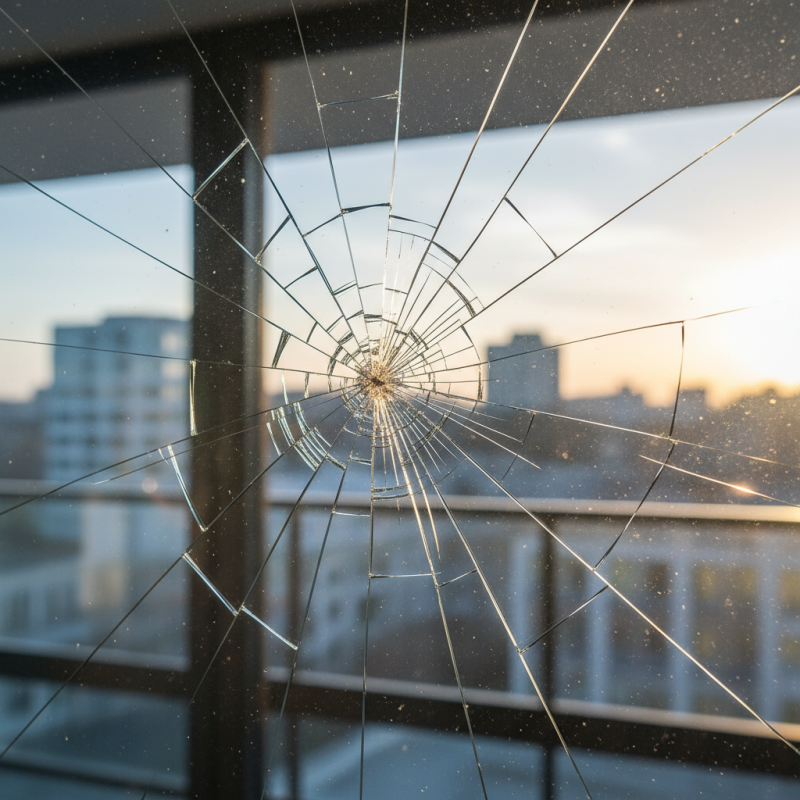
10 Reasons Why Tempered Glass Breaks Spontaneously?

Understanding the Basics of Tempered Glass and Its Strength Properties

Tempered glass is known for its strength, but it can break unexpectedly. Understanding its basic properties is crucial. Tempered glass undergoes a heating and cooling process, making it stronger than regular glass. However, this process can introduce stresses that lead to spontaneous breakage. Factors like improper handling, manufacturing defects, or thermal fluctuations can all cause issues.

According to industry studies, about 2% of tempered glass panels break randomly. This statistic highlights the need for awareness and caution. Glass can contain microscopic imperfections, which may weaken its structure. Therefore, proper installation and regular inspections are vital.

Tip: Always check for chips or scratches before installation. Even small defects can lead to failure. Keep in mind, sudden temperature changes can also affect glass. Avoid placing tempered glass near heat sources.

The strength properties of tempered glass make it a popular choice. However, it is essential to understand its limitations. Surprising failures may occur, leading to safety risks and costs.

Tip: Use protective films to minimize risks. They can help contain shards if breakage occurs. Regular maintenance and monitoring are essential for safety.

Common Manufacturing Defects Leading to Spontaneous Breakage

Tempered glass is known for its strength and safety, yet it can break spontaneously. This phenomenon often stems from common manufacturing defects. One major issue is the presence of nickel sulfide inclusions. These microscopic impurities can undergo phase changes. This unpredictable behavior leads to internal stress within the glass.

Another defect to consider is uneven heating during the tempering process. If the glass is heated inconsistently, the resulting thermal stresses can weaken certain areas. This inconsistency might not be immediately visible, resulting in unexpected breakage later. Additionally, any scratches or damage from handling can exacerbate these weaknesses. Even tiny flaws can become fail points when stress is applied.

Quality control is essential but not always perfect. Some manufacturers may overlook critical checks. This oversight can lead to defective glass reaching consumers. Understanding these factors can help mitigate risks associated with tempered glass. Awareness of these manufacturing defects is crucial. It reminds us that even products designed for safety can have hidden vulnerabilities.

Environmental Factors That Can Induce Glass Breakage

Environmental factors play a crucial role in the spontaneous breakage of tempered glass. Temperature fluctuations can lead to stress within the glass structure. For example, sudden exposure to heat or cold can cause the glass to expand or contract unevenly. This uneven stress can result in cracks.

Humidity is another factor to consider. High humidity can increase the risk of corrosion at the glass edges. Even small imperfections can lead to larger failures over time. In areas with significant temperature changes, this risk multiplies. The presence of moisture can further weaken the structural integrity, making breakage more likely.

Wind pressure is often overlooked. Strong winds can create uneven forces on glass surfaces. This can be particularly concerning for large panels. Additionally, nearby construction might introduce vibrations. These vibrations can also contribute to stress fractures. Each of these factors needs careful consideration when installing or using tempered glass. Understanding these variables helps in minimizing the risk of unexpected breakage.

10 Reasons Why Tempered Glass Breaks Spontaneously

Impact of Thermal Stress on Tempered Glass Integrity

Thermal stress plays a crucial role in the structural integrity of tempered glass. When glass undergoes heating and cooling cycles, it expands and contracts. Any uneven temperature distribution can lead to internal stress, making the glass vulnerable. Common sources of thermal stress include direct sunlight, heat from appliances, and environmental conditions.

Consider a glass panel installed near a window. The sun heats one side more than the other, creating a temperature difference. This difference can exceed the glass’s ability to adapt, leading to spontaneous breakage. Even minor flaws or imperfections can exacerbate this issue. Tiny chips or scratches may not seem significant, but they weaken the overall structure.

Monitoring the environment is essential. Quick temperature changes can induce stress far greater than normal. For example, a cold rain can rapidly cool the surface of a hot pane. The glass may shatter without warning. Therefore, awareness of thermal dynamics is vital. Regular inspections can help identify risks, but many overlook this important aspect. Understanding thermal stress can lead to safer use of tempered glass in everyday settings.

10 Reasons Why Tempered Glass Breaks Spontaneously? - Impact of Thermal Stress on Tempered Glass Integrity

Reason Description Impact of Thermal Stress Preventive Measures
Improper Installation Incorrect fitting can lead to stress points. Increases risk of thermal fluctuations. Follow precise installation guidelines.
Uneven Heating Heat applied unevenly can cause fractures. Creates hotspots that lead to stress. Use even heat sources or gradients.
Flaws in Glass Micro-cracks can worsen under stress. Can significantly lower strength. Inspect for defects before usage.
Thermal Shock Rapid temperature changes can cause breaking. Results in high internal stress. Avoid drastic temperature variations.
Poor Quality Glass Low quality can lead to more spontaneous breaks. Lowers overall durability. Choose certified quality glass.
Improper Handling Dropping or jarring the glass during transit. Can create tension points. Train staff on careful handling.
Changes in Weather Sudden temperature drops in winter can stress glass. Increases vulnerability to breakage. Implement protective measures in seasons.
Age of Glass Older glass may develop weaknesses over time. Can become brittle and prone to breakage. Regular inspections and maintenance.
Incompatible Hardware Using the wrong fittings can induce stress. Can lead to improper load distribution. Ensure hardware is compatible with glass type.

Surface Damage: How Scratches and Chips Contribute to Breakage

Surface damage on tempered glass is often a hidden contributor to spontaneous breakage. Small scratches and chips can compromise the integrity of the glass. When stress is applied, even minor imperfections can lead to catastrophic failure. This phenomenon raises the importance of handling glass with care.

To prevent surface damage, always use soft cleaning materials. Avoid abrasive cloths that can leave microscopic scratches. Store glass items safely to minimize impact. Be mindful of sharp objects that can chip corners or edges.

Regular inspections can help identify minor issues before they worsen. Look for any visible scratches, cracks, or chips. If you spot any, consider replacing the glass. Remember, it's better to be proactive than reactive when it comes to safety. Taking care of tempered glass will extend its life and maintain its structural integrity.

FAQS

: What is tempered glass?

: Tempered glass is a type of glass made stronger through heating and cooling processes.

Can tempered glass break unexpectedly?

Yes, it can break due to internal stresses or imperfections.

What common factors cause tempered glass to break?

Improper handling, manufacturing defects, and thermal fluctuations can lead to breakage.

How often do random breakages occur?

Industry studies show about 2% of tempered glass panels break randomly.

What should I check before installing tempered glass?

Always inspect for chips or scratches, as even small defects can cause failure.

Does temperature affect tempered glass?

Yes, sudden temperature changes can weaken the glass. Keep it away from heat sources.

How can I minimize risks associated with tempered glass?

Use protective films to contain shards if breakage occurs.

Why do manufacturing defects happen?

Defects can arise from nickel sulfide inclusions or uneven heating during manufacturing.

What role does quality control play in tempered glass production?

Quality control is crucial, but it's not always perfect. Some defects may go unnoticed.

How can I ensure the safety of my tempered glass?

Regular maintenance and inspections are essential for safety. Awareness of potential vulnerabilities is necessary.

Conclusion

Tempered glass is well-known for its strength and durability, but the question remains: why does tempered glass sometimes break spontaneously? This phenomenon can be attributed to several factors. Understanding the basics of tempered glass, including its heat treatment process, clarifies its inherent strength properties. However, common manufacturing defects, such as imperfections in the glass structure, can compromise its integrity, leading to unexpected breakage.

Environmental factors also play a crucial role, as temperature fluctuations and humidity can induce stress within the glass. Additionally, thermal stress resulting from sudden changes in temperature can further weaken the material. Surface damage from scratches or chips, often overlooked, can serve as weak points, increasing the likelihood of breakage. Collectively, these aspects highlight the complexities behind the spontaneous breakage of tempered glass and emphasize the importance of proper manufacturing and maintenance practices.

Charlotte

Charlotte

Charlotte is a seasoned marketing professional with a deep understanding of the company's portfolio and a passion for elevating its presence in the market. With a keen eye for detail and a commitment to excellence, she ensures that our professional blog is regularly updated with insightful articles......