MGW Glass
Bird collisions with large glass windows are a significant concern for both wildlife and urban environments. According to Dr. Emily Kline, a leading avian biologist, "Understanding bird behavior is key to preventing these tragic incidents." Her expertise emphasizes the need for innovative solutions to this pressing issue.
The transparent nature of glass poses a unique challenge. Birds often do not see it, leading to fatal crashes. The impact is not just on the birds but also affects biodiversity. Many species are at risk. Implementing effective strategies is crucial for conservation efforts.
In the quest to learn how to prevent birds from hitting large glass windows, various methods can be adapted. Simple changes, like using window films or bird-safe patterns, can make a difference. Sometimes, however, these solutions may not be perfect. They require constant assessment and adaptation based on bird behavior. Understanding the nuances can help tailor effective prevention measures.
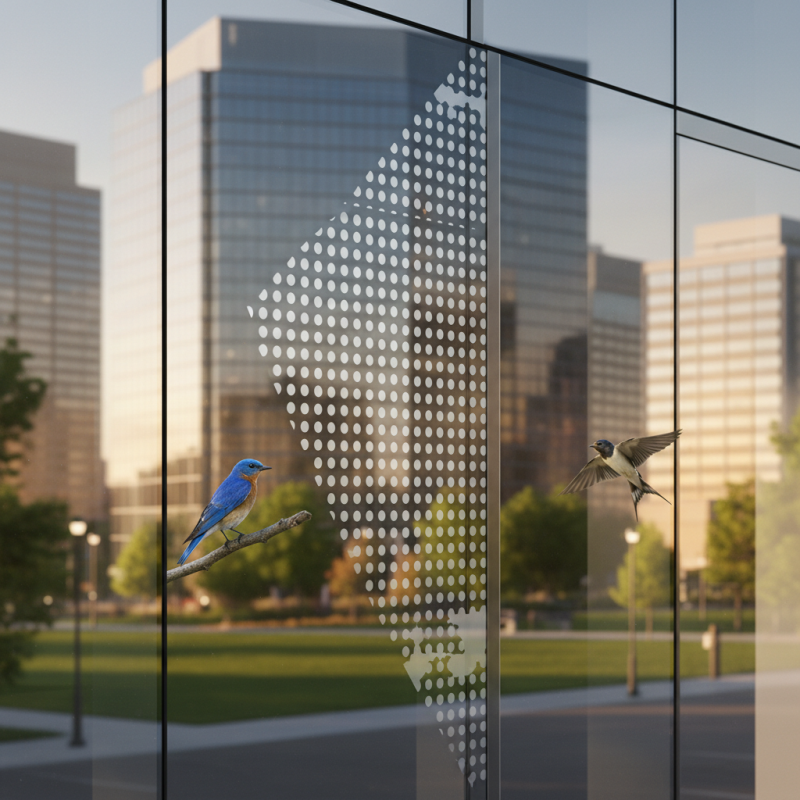
Birds often struggle with navigating around glass surfaces due to their reflections. When they see trees, sky, or other natural elements mirrored on large windows, they may attempt to fly through. This behavior stems from their instinct to fly toward these perceived openings. Unfortunately, this results in many birds colliding with glass, leading to injuries or even fatalities. Recognizing this pattern is essential for finding effective solutions.
Creating visual markers on glass can help reduce these collisions. Adding stickers, patterns, or films breaks up reflections. These markers can take various forms, like stripes or dots, which are more easily seen by birds. Research shows that birds are more likely to avoid windows with visible patterns compared to clear glass. However, there’s no one-size-fits-all method. Each environment is unique, and ongoing adjustments might be necessary to find the most effective solution.
Understanding bird behavior around glass surfaces involves a degree of trial and error. Not every type of marker will work for every setting. Observations are vital. Are birds still colliding after applying markers? Adjustments may be needed based on the feedback from the local bird population. This ongoing learning process highlights the complexity of creating safe environments for wildlife.
Large glass windows can create hazardous conditions for birds. Large panes of glass reflect the sky and surrounding vegetation, tricking birds into thinking they can fly through. According to the American Bird Conservancy, nearly one billion birds die each year from collisions with buildings. This statistic highlights a critical issue for urban environments.
Birds are particularly attracted to specific types of windows. Floor-to-ceiling glass panels are common in modern buildings. These windows often create a deadly illusion. Skylights and reflective windows also pose high risks. Birds do not always perceive these structures as obstacles. Many species, such as songbirds, are drawn to the reflections of greenery, leading to dangerous encounters.
Studies indicate that 44% of bird species in North America may experience fatal collisions. This is alarming for biodiversity and ecosystem health. The problem is echoed in urban planning. Many architects overlook bird safety, prioritizing aesthetics over environmental impact. Effective solutions, such as applying bird-safe window films or using patterns, have proven to reduce fatalities significantly. However, implementation remains inconsistent. This inconsistency raises questions about the industry’s commitment to wildlife protection.
| Window Type | Bird Attraction Factor | Prevention Methods |
|---|---|---|
| Clear Glass Windows | High transparency allows birds to fly into reflections. | Install window films or screens; use decals or stickers. |
| Floor-to-Ceiling Windows | Large surface area reflecting sky and trees. | Use patterned films or hang cords with beads. |
| Glass Balconies | Reflective surfaces attract birds during flight. | Install mesh barriers or use visual deterrents. |
| Skylights | Open spaces lure birds seeking direct flight paths. | Place awnings or use anti-collision window solutions. |
| High-rise Office Windows | Vertical surfaces can disorient birds. | Apply bird-safe glass or use window grids. |
Birds often collide with large glass windows, causing harm to both wildlife and property. To reduce these incidents, effective visual deterrents can be employed. These deterrents help birds recognize glass surfaces, minimizing dangerous crashes.
One effective method is the use of window films with patterned designs. These films can include dots, stripes, or images. The patterns should be spaced closely enough to create a barrier effect. It’s essential to place these patterns where birds frequently fly. Remember that changing patterns can retain their attention.
Another option is hanging reflective objects, like CDs or aluminum foil strips. They can catch the light, creating distracting reflections. These distractions can make birds more aware of their surroundings. Position them at varying heights. Birds tend to avoid areas they perceive as hazardous.
Tips to consider: Use transparent material with patterns, so light can still pass through. Always assess the effectiveness of your deterrents. Observe bird behavior and the frequency of collisions to determine what works best. Finding the right solution may require some trial and error.
Bird collisions with large glass windows pose a significant threat to avian populations. Reports indicate that an estimated 1 billion birds die each year in the U.S. due to window strikes. This alarming statistic highlights the need for effective deterrent strategies, notably sound devices.
Sound devices offer an innovative method to deter birds from colliding with glass structures. These devices produce specific frequencies or sounds that mimic natural predators. Research shows that sound can effectively alter bird behavior, reducing collision rates by up to 60%. Not all sound devices work equally; those tailored to a specific avian species tend to yield better results. However, there is a need for field studies to determine the long-term effectiveness of these devices since avian adaptability can vary.
In addition, sound may not always be entirely reliable. Birds might acclimate to repeated sounds, diminishing their impact over time. Combining sound devices with visual deterrents, like window films, could lead to better results. It is essential to explore various techniques and continually assess their effectiveness. Experimentation and adaptation are key to mitigating risks of bird collisions with glass.
This chart illustrates the effectiveness of sound devices in reducing bird collisions with large glass windows. The data shows a significant decrease in the number of collisions after the implementation of sound deterrents.
Large glass windows can pose a significant risk to birds. Architects and builders must consider this when designing new structures. Implementing effective architectural solutions helps to reduce bird strikes while maintaining aesthetic appeal.
One effective method is to use patterned glass. Applying textures or frosted designs can break the reflectivity of the glass, making it visible to birds. Additionally, strategically placing screens or shades can create visual barriers. These modifications do not compromise natural light, yet they provide crucial safety for avian species.
Tips for prevention include using decals or stickers placed at regular intervals on windows. These should be placed in a grid pattern. Remember, the spacing should be less than four inches apart. This maximizes visibility for birds. Another practical solution is to install bird-safe window films that reduce glare. They maintain a clear view while providing safety for wildlife.
Considering these architectural solutions is essential. Every decision made should reflect a commitment to protecting our feathered friends. We must challenge ourselves to think creatively about how our designs impact the environment. It's a continuous journey of improvement.
: Large glass windows, floor-to-ceiling panels, and reflective skylights attract birds, leading to fatal collisions.
Nearly one billion birds die each year due to collisions with urban structures, raising serious concerns.
Window films with patterns, hanging reflective objects, and using decals can help reduce bird collisions.
Birds are drawn to reflections of greenery and often misinterpret glass as open space, leading to danger.
Using patterned glass, applying textures, and placing screens can create visual barriers without blocking light.
Many architects prioritize aesthetics over wildlife safety, neglecting the impact of their designs on birds.
Patterns should be closely spaced and regularly assessed to ensure they effectively minimize bird collisions.
Observing bird behavior and counting collision incidents can help identify working solutions and improve designs.
Each architectural decision should reflect a commitment to wildlife protection, prompting ongoing improvement in safety measures.
Yes, discovering the most effective deterrents often involves experimenting with different methods and observing results.
Preventing birds from hitting large glass windows is a crucial concern for both wildlife conservation and architectural design. Understanding bird behavior around glass surfaces is essential, as many species perceive these clear barriers as open space. Common types of windows that attract birds include floor-to-ceiling glass panels and reflective surfaces, which can create confusion in flight paths.
To address this issue, there are several effective strategies. Implementing visual deterrents such as patterned films or decals can help birds recognize glass barriers. Additionally, sound devices designed to emit frequencies that deter birds can be used to reduce collisions. Finally, architectural solutions, such as angling windows or incorporating less reflective materials, can significantly lower the risk of bird strikes. By employing these strategies, we can successfully learn how to prevent birds from hitting large glass windows, fostering safer environments for our avian friends.
