MGW Glass MGW Glass

Why is My Office Glass Curtain Wall Leaking During Storms?

Time:2026-08-19 Author:Madeline
0%

When faced with heavy rain and storms, many office buildings with glass curtain walls experience leaks. This phenomenon prompts the question: "why is my office glass curtain wall leaking during storms?" According to industry expert Dr. Laura Jenkins, a leading architect, "Water intrusion is often the result of installation flaws or material degradation over time."

Understanding the potential causes of leaks is crucial for building owners. It may stem from poor sealing materials, aging components, or inadequate drainage systems. These issues can lead to significant water damage and costly repairs when neglected. It's not uncommon for property managers to overlook regular maintenance, assuming that glass is inherently watertight. This misconception can lead to dire consequences.

As storms become more powerful due to climate change, the risk of leaks increases. Each incident serves as a reminder to reflect on building practices. Responsible maintenance and expert consultation can prevent future problems. Recognizing the signs early can save both time and money.
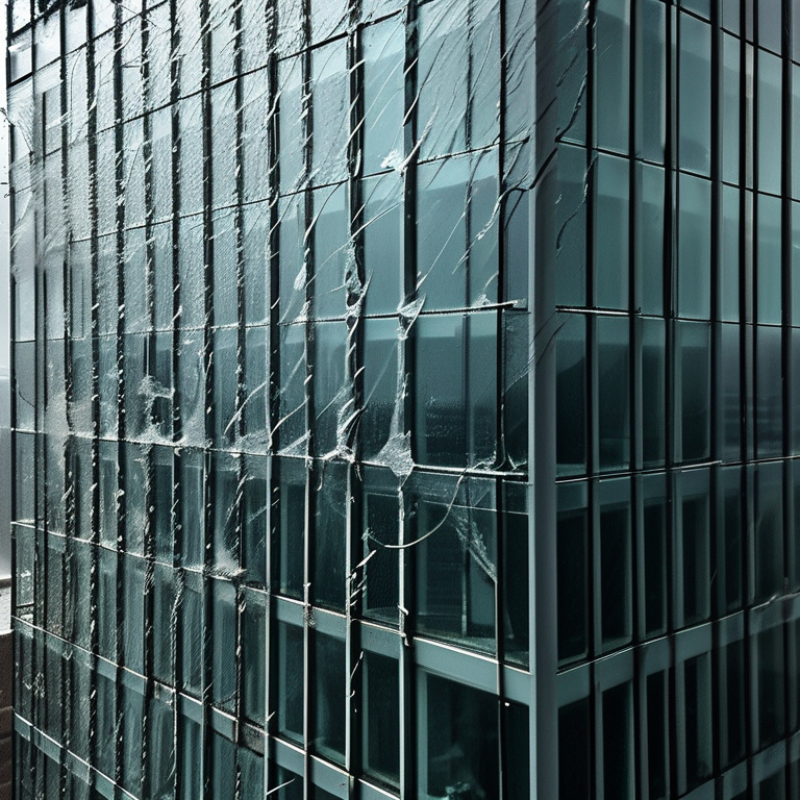
Why is My Office Glass Curtain Wall Leaking During Storms?

Why Understanding Glass Curtain Wall Design is Crucial for Storm Resilience

Understanding the design of glass curtain walls is essential for storm resilience. These structures must withstand severe weather conditions. Reports show that nearly 30% of storm-related damage to buildings occurs due to inadequate waterproofing and structural support. This highlights the importance of proper design.

Effective water management in curtain wall systems is crucial. Research indicates that poorly designed drainage systems can lead to leaks during heavy storms. Engineers recommend a sloping design and integrated gutters to direct water away. Even small design flaws can lead to significant issues, such as mold growth and deterioration.

Construction materials also play a role. High-quality sealants and impact-resistant glass can enhance durability. However, many buildings still use outdated materials that fail under pressure. Regular maintenance is necessary to identify potential weaknesses. Spotting early signs of wear can prevent costly repairs later on. Understanding these elements is vital for ensuring a building's longevity in storm-prone areas.

Common Causes of Water Leakage in Glass Curtain Walls During Storms

Leaking glass curtain walls during storms can be perplexing. Several factors may contribute to this frustrating issue. One significant cause is poor installation. If the seals around the glass panels aren't tight, water can easily penetrate. An inadequately installed frame may also lead to gaps that allow leaks.

Another common cause is wear and tear. Over time, weather conditions may deteriorate the sealants, making them less effective. Cracked or damaged caulking is a usual sight on older buildings. Inspecting for these damages regularly can help prevent sudden leaks. Additionally, debris buildup in gutters or drainage systems can lead to water pooling, increasing the risk of leaks.

In some cases, the design of the curtain wall plays a role. If the sloping angles are not optimized for water run-off, rain can gather and seep through. Not addressing these design flaws can lead to more significant issues down the road. Maintenance is crucial, yet often overlooked; establishing a routine inspection can save time and money in the long run.

Why is My Office Glass Curtain Wall Leaking During Storms? - Common Causes of Water Leakage in Glass Curtain Walls During Storms

Cause Description Preventive Measures
Improper Installation Faulty installation can lead to gaps that allow water to seep through. Ensure professional installation with proper sealing techniques.
Damaged Seals Worn or damaged seals can fail to keep water out during storms. Regularly inspect and replace seals as needed.
Blocked Drainage Clogged drainage systems can cause water to pool and leak inside. Maintain clear drainage systems to ensure proper water flow.
Thermal Expansion Temperature changes can cause materials to expand and contract, creating leaks. Use materials that can accommodate thermal movement and monitor for stress points.
Poor Maintenance Lack of regular maintenance can lead to unnoticed problems worsening over time. Establish a regular maintenance schedule for inspections and repairs.

Impact of Weather Rating Standards on Glass Curtain Wall Performance

Weather rating standards play a crucial role in the performance of glass curtain walls during storms. The American Society for Testing and Materials (ASTM) provides guidelines that evaluate the water penetration resistance of building envelopes. According to a recent report, structures with proper weather rating can withstand wind pressures up to 110 mph without leaks. However, many office buildings do not meet these standards, leading to issues during severe weather.

Even minor defects in installation or materials can exacerbate leaks. For instance, insufficient sealing practices can reduce the effective lifespan of a curtain wall. A study indicated that nearly 30% of glass curtain walls experience some level of water infiltration in the first five years of installation. Property managers must regularly inspect and maintain their systems. Failure to do so could lead to costly damages and unhealthy indoor conditions.

A barrier against moisture is vital, yet it often requires ongoing attention. Some structures rely heavily on silicone sealants, which degrade over time. If not replaced, these can fail during heavy rains, leading to leaks. Ensuring compliance with local building codes and weather ratings can improve resilience. But many still overlook these standards, ultimately risking their investment.

Best Practices for Maintaining and Inspecting Glass Curtain Walls

Maintaining a glass curtain wall demands regular inspections and proactive care. These structures, while visually appealing, are susceptible to leaks during storms. Small issues, like deteriorating sealants or cracked glass, can quickly escalate. Regularly scheduled checks can catch these problems early. Check for any signs of wear and tear, such as discolored seals or visible gaps.

Using a moisture meter can help identify hidden leaks. This tool detects dampness behind the panels. Water intrusion may not be visible immediately. Assessing drainage systems is also crucial. Clogged weep holes can lead to water accumulation. In heavy storms, this buildup can cause significant damage.

Ensure that all fasteners are tight and secure. Loose connections can compromise the integrity of the installation. Professional inspections every few years bring peace of mind. Specialists can evaluate structural stability and suggest improvements. Learning from previous issues is essential. Reflecting on past leaks can reveal patterns and inform better maintenance strategies.

Innovative Solutions to Enhance Glass Curtain Wall Water Resistance

Glass curtain walls are a striking feature in modern office buildings. However, many property managers face the challenge of leaks during storms. Understanding the innovative solutions to enhance water resistance is crucial for maintaining structural integrity and aesthetic appeal.

One effective method involves upgrading the sealants used in these installations. High-performance sealants can withstand extreme weather conditions better than traditional options. They provide durable flexibility, ensuring that water does not penetrate through joints and connections. Another approach is the incorporation of drainage systems within the curtain wall design. These systems can direct water away from vulnerable areas, significantly reducing the risk of leaks.

Regular maintenance is essential for any glass curtain wall system. Over time, materials can degrade, which may lead to water intrusion. Periodic inspections can identify weaknesses before they become significant issues. Utilizing a professional service for these inspections ensures that your curtain wall remains reliable. The complexity of these structures warrants a detailed understanding of their behavior during storms. It's vital to reflect on past performance to enhance future resilience.

FAQS

: What commonly causes water leakage in glass curtain walls during storms?

: Poor installation of seals or frames often leads to water penetration.

How does wear and tear contribute to leaks?

Over time, sealants can deteriorate. Cracked caulking is common in older buildings.

Why is debris buildup a concern for glass curtain walls?

It can cause water pooling, increasing the risk of leaks during storms.

How does the design of curtain walls impact leakage?

Improper sloping angles can cause rainwater to gather and seep through.

What practice helps in maintaining glass curtain walls?

Regular inspections can catch issues like deteriorating seals or gaps early.

How can a moisture meter be useful?

It detects hidden leaks behind glass panels, revealing dampness not immediately visible.

Why is checking drainage systems important?

Clogged weep holes can accumulate water and cause damage during heavy storms.

What should be done about loose fasteners?

Ensuring all connections are tight can maintain the installation's integrity.

How often should professional inspections occur?

A professional check every few years is advisable for structural stability and improvements.

Why is reflecting on past leaks crucial?

It helps identify patterns and informs better maintenance strategies moving forward.

Conclusion

Understanding the design and maintenance of glass curtain walls is essential for ensuring storm resilience, particularly when addressing the concern of "why is my office glass curtain wall leaking during storms." Common causes of water leakage during storms include poor installation, inadequate sealing, and structural wear over time. Rain and wind can exacerbate these issues, leading to significant water intrusion.

Additionally, weather rating standards play a significant role in the performance of glass curtain walls, as they dictate the necessary resilience against harsh weather conditions. To mitigate leakage, it's crucial to adopt best practices for maintenance and regular inspections. Innovative solutions, such as advanced sealing technologies and hydrophobic coatings, can further enhance water resistance, protecting building interiors and ensuring the longevity of the glass façade. Regular attention to these factors can help prevent leaks and maintain the integrity of glass curtain walls during storms.

Madeline

Madeline

Madeline is a dedicated marketing professional with a wealth of expertise in our company's core offerings. With a keen understanding of the industry, she brings a unique perspective to her role, consistently delivering high-quality content that highlights the superior aspects of our products. As......