MGW Glass
The upcoming Canton Fair in 2026 will showcase significant advancements in Museum Grade Glass, attracting global buyers eager for high-quality materials. This event, held from April 15 to May 5, will focus on various sectors. Notably, the first phase emphasizes advanced manufacturing, while the second highlights home quality and decor. Reports indicate that the museum-grade glass market is expected to grow at a CAGR of 5.2% from 2023 to 2028.
Innovations in glass technology are transforming presentation and conservation methods. Museum Grade Glass offers superior clarity and UV protection, ensuring artifacts remain untarnished over time. Implementation of AI-driven tools at the fair will streamline buyer navigation and supplier identification. However, challenges remain. Not all suppliers may meet high standards. Buyers must verify certifications like ISO and CE.
With over 1.55 million square meters of exhibits, the fair seeks to elevate exhibition standards worldwide. While this event presents immense opportunities, buyers should critically assess their needs and supplier credentials. Ensuring quality and reliability in Museum Grade Glass is essential for the future of cultural preservation.
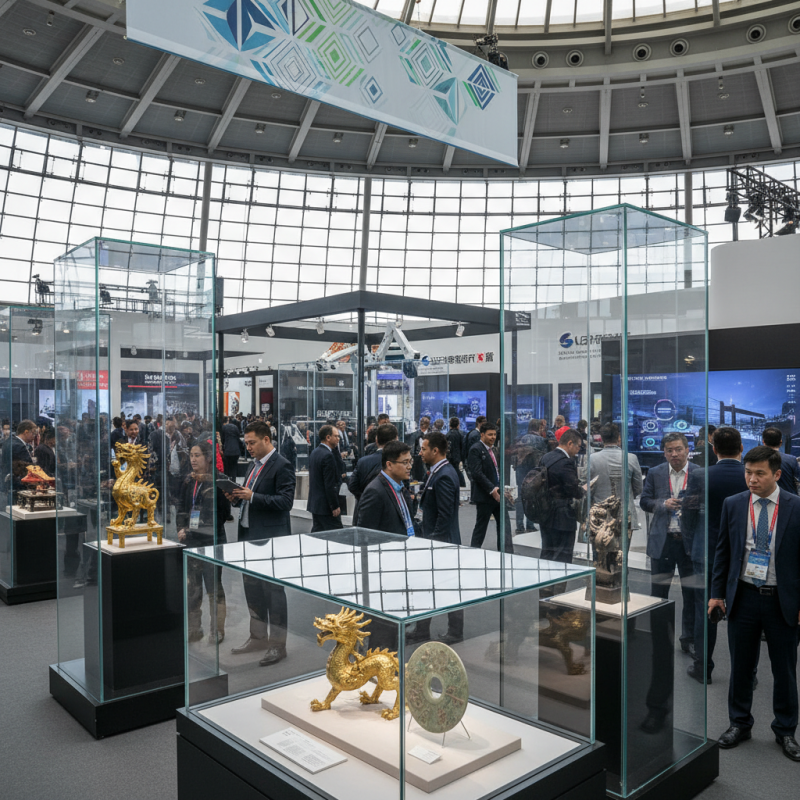
Museum grade glass plays a crucial role in the world of art and display. This type of glass is designed to provide optimal clarity and protection for valuable items. It is specially engineered to be UV resistant, helping to preserve colors and prevent fading. Its high transparency ensures that artworks are presented beautifully, without distortion.
In recent years, interest in museum grade glass has surged among global buyers. Curators and collectors alike seek this glass for its superior quality. It enhances the viewing experience while safeguarding against environmental damage. However, not all museum grade glass is created equal. Buyers should consider factors like thickness and coating when making a decision. The market is evolving, and choices can be overwhelming.
Yet, there are challenges. Not everyone understands the value of investing in museum grade glass. Some may opt for cheaper alternatives, risking the integrity of their collections. Education is key to making informed choices. As trends emerge, it’s important for buyers to remain vigilant and explore new options that meet their display needs.
This bar chart illustrates the trends in museum grade glass sales over the years leading up to the Canton Fair 2026. It highlights the growing importance of museum grade glass in art and display usage across the global market.
At Canton Fair 2026, museum grade glass designs are evolving to meet global trends. High clarity and durability are top priorities for buyers. Recent industry reports indicate that demand for UV-protective glass is increasing. Over 65% of buyers prefer designs that offer enhanced preservation features. This aligns with growing concerns for art and artifact longevity.
Innovative design elements are also gaining traction. Textured glass surfaces provide aesthetic appeal while reducing glare. More manufacturers are incorporating interactive elements, such as touchscreens with transparent overlays. This allows visitors to engage with displays and enhances learning experiences. However, production costs for such advanced glass remains high, prompting some buyers to remain cautious.
Feedback from industry experts highlights a gap in sustainable practices. Only 30%% of exhibits at the fair focus on eco-friendly glass options. This is a missed opportunity, given that 70%% of global consumers prefer sustainably sourced products. As trends shift, museum professionals must prioritize not only aesthetics but also environmental impact in their selections. The road ahead demands a balance between innovation and responsibility.
As the Canton Fair 2026 approaches, museum-grade glass trends take center stage.
Sustainable materials are shaping the production process significantly.
These materials include recycled glass, biodegradable resins, and innovative composites.
The use of recycled glass reduces waste, benefiting the environment.
Biodegradable options are gaining traction, appealing to eco-conscious buyers.
However, not all producers prioritize these approaches. Some glass manufacturers struggle to find reliable sources for sustainable materials.
The transition to eco-friendly production can be costly and complicated. Companies often face challenges in balancing quality with sustainability.
Crafting museum-grade glass demands precision and durability. This necessitates careful selection of raw materials that are both sustainable and high-performing.
The process of integrating sustainability isn’t flawless. Some trial-and-error may lead to imperfect products.
Buyers might notice variations in quality as manufacturers test new materials. This experimentation phase invites feedback and drives innovation.
The evolving landscape of museum-grade glass aims for a balance between beauty, function, and environmental responsibility.
It’s an exciting, yet often messy, journey forward.
The demand for museum-grade glass is on the rise globally. Buyers are becoming increasingly interested in high-quality glass for display purposes. This trend is evident in various exhibitions and fairs. At the Canton Fair 2026, numerous buyers expressed enthusiasm for this specialized glass.
There are many reasons behind this growing interest. Museum-quality glass offers superior clarity and protection for artifacts. It enhances the visual appeal of displayed items. However, the market faces challenges. Not all suppliers can guarantee the quality needed for preservation. Buyers must be cautious when making selections. Sometimes, good intentions lead to poor choices.
Additionally, sustainability has emerged as a crucial factor. Many buyers are looking for eco-friendly glass options. This shift reflects a broader trend in the global market. Many want to contribute positively to the environment. However, finding a reliable source that meets these criteria can be difficult. It prompts a need for careful research and collaboration among industry players.
| Region | Market Demand (Ton) | Main Applications | Growth Rate (%) | Trends |
|---|---|---|---|---|
| North America | 5000 | Exhibition Displays, Art Galleries | 8 | Increasing custom designs |
| Europe | 6000 | Museums, High-end Retail | 7 | Sustainability focus |
| Asia | 7000 | Cultural Exhibitions, Private Collectors | 10 | Emerging technologies in glass making |
| South America | 2000 | Art Installations, Community Projects | 5 | Growing interest in art conservation |
The Canton Fair 2026 is set to showcase the latest trends in museum grade glass. This event promises to reveal fascinating innovations in glass technology. One of the keenest areas of development is the use of advanced coatings. These coatings enhance clarity and reduce UV exposure, providing better protection for artifacts. Technology has made it possible to create glass that is both lightweight and stronger.
Additionally, the designs are becoming more versatile. There are options for curved surfaces and custom shapes. This flexibility allows museums to create displays that capture visitors' attention more effectively. The demand for sustainable materials is also on the rise. Buyers are increasingly looking for eco-friendly glass options. This trend reflects a global awareness of environmental impact in art preservation.
However, not all innovations come without challenges. Some new techniques still need refinement. Questions remain about long-term durability and maintenance. Museums must consider these factors carefully. It is important to balance aesthetics with functionality. The future of museum grade glass looks promising, but continuous improvement is essential.
: Museum grade glass is designed for optimal clarity and protection of valuable items.
UV resistance helps preserve colors and prevents fading of artworks.
Buyers should consider thickness, coating, and the intended display environment.
No, quality varies significantly among different suppliers.
High clarity, durability, and UV protection are top priorities for buyers today.
Some buyers may prioritize cost over quality, risking the integrity of their collections.
Yes, many buyers now seek eco-friendly glass, reflecting broader consumer preferences.
There is a lack of understanding about the importance of quality and sustainability.
New designs, like textured surfaces and touchscreens, enhance engagement but can be costly.
Buyers should balance aesthetics with quality and sustainability in their decisions.
The article "Museum Grade Glass Trends at Canton Fair 2026 for Global Buyers" explores the significance of Museum Grade Glass in the art and display industry. It highlights the latest design trends showcased at the Canton Fair 2026, emphasizing the growing interest in this specialized glass as a medium that enhances the visual experience of artworks while providing essential protection.
Furthermore, the article discusses the impact of sustainable materials on the production of Museum Grade Glass, reflecting a global market demand that increasingly values eco-friendly practices. With ongoing advancements in technology, future innovations in Museum Grade Glass are expected to further improve its applications, catering to a diverse range of buyers seeking high-quality solutions for art preservation and display.
