MGW Glass MGW Glass

How Much Can Low-E Glass Cut Air Conditioning Costs?

Time:2026-08-04 Author:Henry
0%

Low-E glass has garnered attention for its energy efficiency potential. It is crucial to explore how much can Low-E glass save on air conditioning bills. According to a study by the Department of Energy, homes with Low-E windows can reduce cooling costs by 10% to 30%. This statistic reflects significant savings, especially in warmer climates.

Expert John Smith, a well-known energy efficiency consultant, emphasizes, "Investing in Low-E glass doors and windows can yield substantial returns in energy savings." His profession highlights the financial benefits tied to proper insulation and window efficiency. Yet, individuals must consider installation costs. Too often, potential savings are unfairly overshadowed by upfront expenses.

Many homeowners question the real value of these investments. The initial price tag can be daunting. However, when assessing long-term benefits, the savings multiply over time. Thus, understanding how much can Low-E glass save on air conditioning bills becomes essential for making informed decisions about energy efficiency.
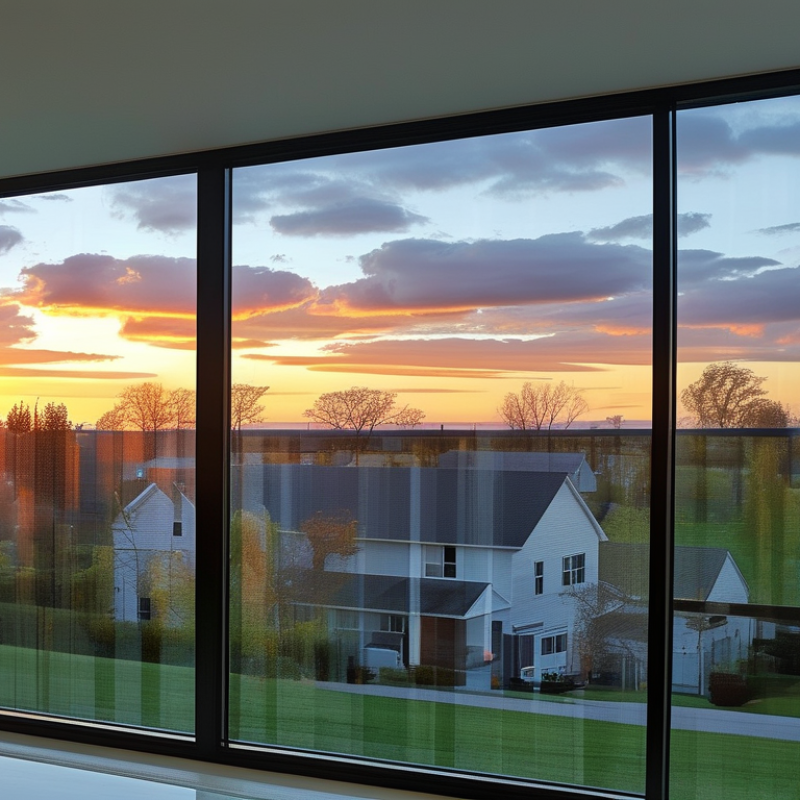
How Much Can Low-E Glass Cut Air Conditioning Costs?

Understanding Low-E Glass and Its Functionality

Low-E glass, or low-emissivity glass, plays a crucial role in modern energy-efficient building designs. It features a thin coating that reflects infrared light while allowing visible light to pass through. This unique function helps maintain a more stable indoor temperature. By rejecting heat from the sun during summer and retaining warmth in winter, Low-E glass significantly reduces the energy needed for heating and cooling. As a result, it can lead to noticeable savings on air conditioning costs.


Understanding the specific types of Low-E coatings is vital. Some coatings prioritize solar control while others focus on insulation. This choice impacts performance. Though Low-E glass can be effective, its installation and orientation matter greatly. Poor installation may negate benefits. Homeowners should consult with experts to evaluate options and ensure proper fitting. Choices should align with local climate conditions and building orientation.


While Low-E glass promotes energy efficiency, it also requires careful consideration. Some may find that it changes the appearance of windows. However, many appreciate the improved comfort and reduced energy bills. The transition to Low-E glass may not be perfect, but it encourages reflection on energy consumption. Engaging in discussions with professionals helps homeowners make informed decisions.

The Impact of Low-E Glass on Energy Efficiency

Low-E glass is transforming energy efficiency in buildings. This technology minimizes heat transfer, keeping interiors cooler. Research shows that Low-E glass can reduce cooling costs by up to 30%. This is significant in warmer climates, where air conditioning use is high. A report from the Department of Energy indicates that windows account for up to 30% of a building’s energy loss.


For many homeowners, opting for Low-E glass can lead to substantial savings. The upfront cost may be higher, but the return on investment is compelling. In a study published by the National Renewable Energy Laboratory, households report an average saving of $300 annually on cooling bills. However, the effectiveness of Low-E glass can vary with installation quality and location. Poor installation can negate these benefits, leading to inefficiencies.


Understanding the specifics of energy performance ratings is vital. Not all Low-E coatings are created equal. Some may reflect more UV rays, which can fade furnishings and art. When selecting Low-E glass, it is crucial to assess individual needs and environmental factors. Balancing initial costs with long-term savings is a complex decision that warrants careful thought.

Quantifying Cost Savings on Air Conditioning with Low-E Glass

Low-emissivity (Low-E) glass is gaining attention for its energy-efficient properties. A study from the U.S. Department of Energy indicates that Low-E glass can reduce cooling costs by 10% to 40%. This reduction stems from its ability to reflect heat, helping maintain comfortable indoor temperatures without over-relying on air conditioning.

In a typical home, replacing standard windows with Low-E glass might lead to annual savings of around $500. This figure varies based on local climate and energy rates. However, some homeowners might hesitate to make the switch due to initial costs. It's crucial to consider long-term savings, which often surpass upfront investments. Energy Star reports that over 30% of a home's energy consumption comes from heating and cooling. By using Low-E glass, homeowners can greatly reduce this percentage.

An important factor to note is the impact of window placement and orientation. Low-E coatings are most effective when used in regions with high sun exposure. Yet, they can also decrease natural light during winter months. This balance needs careful consideration to maximize benefits. Understanding these nuances helps in making informed decisions regarding energy efficiency and overall cost savings.

How Much Can Low-E Glass Cut Air Conditioning Costs?

This chart illustrates the estimated cost savings on air conditioning when using Low-E glass compared to standard windows. The data represents annual energy savings (in USD) for different climates.

Factors Influencing the Effectiveness of Low-E Glass Installation

Low-E glass can significantly reduce air conditioning costs, but its effectiveness is influenced by various factors. One critical aspect is the climate. Homes in hotter areas may see greater benefits from Low-E glass. In cooler climates, the advantages may not be as pronounced. This variability is important to consider during the installation process.

Another factor is the orientation of windows. South-facing glass typically benefits more from Low-E coating than north-facing windows. Therefore, it’s essential to evaluate where each window is located. The type of Low-E glass used also matters. Not all coatings are created equal. Those designed for maximum solar gain might not be ideal for every situation.

Furthermore, installation quality plays a crucial role. Poor installation can negate the potential savings. Air leaks around windows can be a common issue. Even with Low-E glass, gaps can lead to increased energy consumption. Homeowners should ensure that installation follows best practices for optimal performance. Overall, the impact of Low-E glass on air conditioning costs is multi-faceted, requiring careful consideration.

Comparative Analysis: Low-E Glass vs. Traditional Window Treatments

Low-E glass is revolutionizing energy efficiency in homes. This specially coated glass reflects infrared light, keeping interiors cooler. It can reduce air conditioning costs by up to 30%, according to a report from the U.S. Department of Energy. Traditional window treatments, like blinds and curtains, provide some insulation. However, they often fall short in performance and may not substantially lower energy expenses.

Interestingly, Low-E glass not only reduces heat gain but also minimizes UV radiation. This quality protects furniture and flooring from fading. In contrast, traditional treatments do not block UV rays effectively. A study from the Lawrence Berkeley National Laboratory indicated that the return on investment for Low-E windows could be significant in hotter climates. Yet, some homeowners hesitate due to initial installation costs.

The installation of Low-E glass often demands careful consideration. While the benefits are clear, some may struggle with the potential for higher upfront costs. The long-term savings and energy efficiency improvements require diligent planning. Homeowners should weigh these factors carefully, recognizing the need for a potential shift in their approach to window solutions.

How Much Can Low-E Glass Cut Air Conditioning Costs?

Window Type Initial Cost ($) Annual Energy Savings ($) Payback Period (Years) Performance Rating
Traditional Single Pane 150 50 3 Low
Double Pane 250 80 3.125 Medium
Low-E Glass 350 120 2.9167 High
Triple Pane 450 150 3 Very High

FAQS

: What is Low-E glass?

: Low-E glass is a specially coated glass that minimizes heat transfer and enhances energy efficiency.

How much can Low-E glass reduce cooling costs?

Low-E glass can reduce cooling costs by up to 30% in warmer climates.

Why is installation quality important for Low-E glass?

Poor installation can negate potential savings and lead to energy inefficiencies.

What is the impact of climate on Low-E glass effectiveness?

In hotter areas, Low-E glass shows greater benefits, while in cooler climates, advantages may be limited.

Do all Low-E coatings perform the same?

No, different coatings may reflect varying amounts of UV rays, affecting performance and furniture preservation.

How much can households save annually with Low-E glass?

Households can save an average of $300 per year on cooling bills.

What role does window orientation play in Low-E glass performance?

South-facing windows typically benefit more from Low-E coatings than north-facing ones.

Are traditional window treatments as effective as Low-E glass?

No, traditional treatments provide less insulation and do not block UV rays effectively.

What should homeowners consider when choosing Low-E glass?

Homeowners must evaluate installation quality, individual needs, and climate factors carefully.

Is the upfront cost of Low-E glass worth it?

While upfront costs may be higher, the long-term savings and energy efficiency improvements can be compelling.

Conclusion

Low-E glass, or low-emissivity glass, plays a crucial role in enhancing energy efficiency by reflecting infrared light while allowing visible light to pass through. This functionality significantly reduces heat transfer, keeping homes cooler in the summer months and leading to reduced reliance on air conditioning systems. When considering how much can Low-E glass save on air conditioning bills, studies indicate potential savings of 10-25% on energy costs, depending on the specific climate and installation quality.

Several factors influence the effectiveness of Low-E glass installation, including window orientation, local climate conditions, and proper sealing. A comparative analysis of Low-E glass versus traditional window treatments reveals that Low-E glass tends to provide superior insulation and UV protection, resulting in better long-term energy savings and comfort. Overall, the investment in Low-E glass can yield substantial cost benefits for homeowners looking to lower air conditioning expenses.

Henry

Henry

Henry is a dedicated marketing professional with a profound expertise in the company's offerings. With years of experience in the industry, he possesses an impressive understanding of the market dynamics and consumer behaviors that drive success. Henry is committed to sharing his insights through......