MGW Glass
Fire-rated glass walls serve a crucial role in building safety. They help contain fires and protect occupants. However, many people struggle with how to tell if a glass wall is fire-rated or not. Understanding the characteristics of fire-rated glass is essential for ensuring safety.
When assessing glass walls, pay attention to labels and certifications. Fire-rated glass typically has a label indicating its fire resistance. This information is crucial. You might find a tag showing the rating or testing standard.
In some cases, a visual inspection alone can cause confusion. Not all glass looks the same. For example, tempered glass may appear similar but lacks fire resistance. Consulting a professional may provide clarity in these situations. Always prioritize safety by ensuring you know the right features of fire-rated glass.
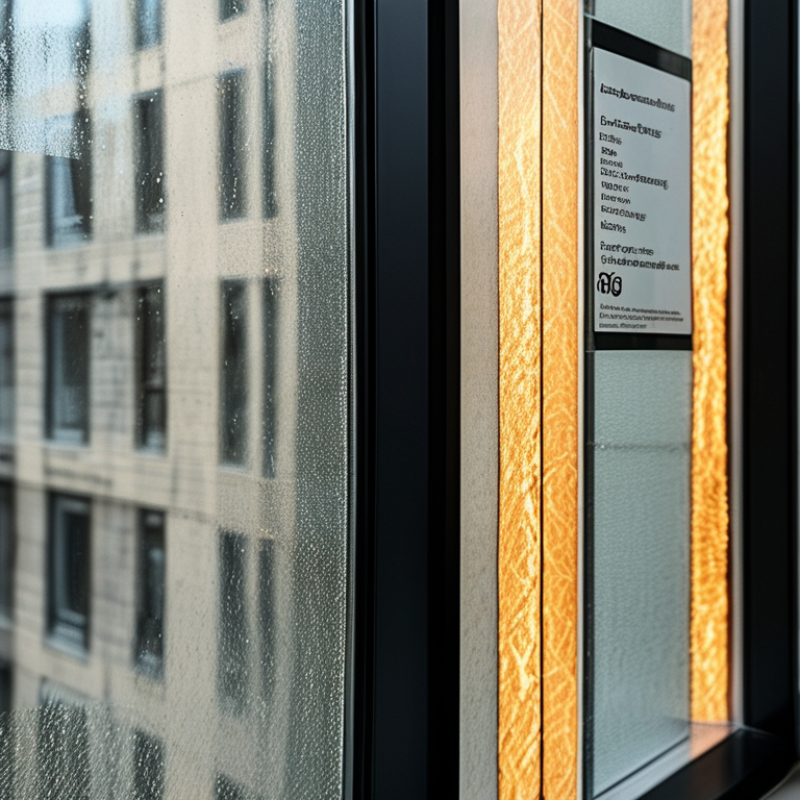
Fire-rated glass plays a critical role in enhancing safety in buildings. This specialized glass can withstand high temperatures, helping to prevent the spread of fire and smoke. Knowing its importance is essential for both builders and occupants. The glazing helps maintain a safe environment during emergencies.
When choosing fire-rated glass walls, consider their classification. These classifications indicate how long the glass can resist fire, typically ranging from 20 minutes to several hours. This information is crucial for compliance with building codes. Check for labels that confirm the glass meets safety standards. It is equally important to verify the installation process to ensure maximum effectiveness.
While fire-rated glass offers significant safety advantages, some challenges exist. Improper installation can lead to failures in fire situations. Additionally, not all glass products are created equal. Choosing the right type requires expertise and thorough consideration of the building's design. Understanding these aspects is vital for safety and protection. Responsible choices make a difference in real-life situations.
When considering fire rated glass walls, understanding key standards and certifications is essential. Fire rated glass must meet specific performance benchmarks to ensure safety during a fire. The National Fire Protection Association (NFPA) provides widely recognized guidelines to evaluate fire resistance. It's crucial to look for glass that has undergone rigorous testing. Each specimen is assessed for factors like exposure time, flame spread, and the ability to withstand temperature differentials.
Apart from NFPA standards, the Underwriters Laboratories (UL) certification is also critical. UL tests evaluate various fire resistance levels of glass. Some may withstand flames up to two hours, while others may offer shorter durations. When selecting glass, consider its application. Will it be used in a commercial building or a residential area? The environment can dictate necessary ratings.
Not all glass labeled "fire rated" will meet your specific needs. It's important to scrutinize each product's certification. Be aware that not all products pass every test. Understanding these nuances allows for informed decisions. Fire safety is an ongoing consideration, and revisiting standards regularly helps maintain compliance.
When discussing fire rated glass walls, visual indicators play a crucial role in safety. These walls are designed to prevent the spread of fire and smoke. One clear sign of fire rated glass is its characteristic labeling. The labels often indicate the fire-resistance rating, typically expressed in hours, like 30, 60, or 90 minutes. If the wall lacks a label, its safety is questionable, raising serious concerns for building occupants.
Another visual aspect to consider is the thickness of the glass. Fire rated glass tends to be thicker than standard options. Check for a solid, heavy feel. The edges of the glass may have a polished finish, enhancing its durability. Additionally, any distortion or unusual bubbling in the glass could suggest a problem. Regular inspection is key.
Tips: Look for visible labels regularly. Ensure the glass is maintained well. Remember, visual indicators may not always tell the complete story. It’s essential to consult a professional for verification. Investing time in understanding fire rated walls can save lives. Stay informed and vigilant.
Fire rated glass walls play a crucial role in building safety. Understanding their testing and rating processes is essential for effective fire protection. The primary standard for fire rated glass materials is ASTM E119. This standard tests the duration a glass wall can resist fire exposure. Typically, fire rated glass is categorized into different ratings: 20, 45, 60, or 90 minutes. Each rating signifies the glass's ability to withstand fire and prevent smoke infiltration.
Testing involves exposing glass samples to high temperatures. The criteria include integrity, insulation, and temperature rise limitations. For instance, a material rated for 60 minutes must resist flames and maintain low surface temperatures. According to the National Fire Protection Association (NFPA), improper installation can compromise fire rated systems. Even slight gaps can allow smoke and heat to travel, undermining safety.
Recent studies indicate that awareness of product ratings among builders is lacking. A survey showed that over 30% of industry professionals were unaware of the specific ratings for fire rated glass. This gap in knowledge raises concerns about safety in construction practices. Ensuring compliance with testing standards and seeking expert guidance are crucial for enhancing fire protection.
Regular maintenance and inspection of fire rated glass installations are crucial for ensuring safety. According to the National Fire Protection Association (NFPA), approximately 60% of fire-related injuries occur in buildings where fire safety measures were either inadequate or improperly maintained. This statistic underscores the importance of adhering to maintenance protocols for fire rated glass walls.
Inspection should be conducted at least annually. Check for cracks, discoloration, or signs of wear. Any damage could compromise the glass's fire rating. The Glass Association of North America (GANA) emphasizes the need for regular assessments. Their guidelines suggest using trained professionals to evaluate the integrity of fire rated glass products. This helps ensure compliance with safety standards.
Not all installations hold up under constant exposure to thermal stress. Environmental factors can affect performance. Dust and debris can obscure clear viewing, making visual inspections challenging. Address these issues promptly to uphold safety standards. Ignoring minor flaws can lead to significant risks in an emergency, potentially resulting in devastating consequences. Prioritizing maintenance could provide peace of mind for occupants and property owners alike.
: Fire-rated glass can withstand high temperatures and helps prevent fire and smoke spread.
It enhances safety in buildings, maintaining a secure environment during emergencies.
Fire-rated glass resistance typically ranges from 20 minutes to several hours, depending on classification.
Inspections should be conducted at least once a year to ensure safety and compliance.
Check for cracks, discoloration, or wear that might compromise the fire rating.
Yes, improper installation may lead to failures in emergencies and reduced safety.
Use trained professionals for evaluating the integrity of fire-rated glass installations.
Environmental factors can impact performance, making regular maintenance essential.
Ignoring minor flaws can escalate risks in emergencies, potentially leading to significant damage.
Proper maintenance ensures safety and can prevent serious fire-related injuries or damage.
Fire rated glass walls play a crucial role in ensuring safety by preventing the spread of fire and smoke in buildings. Understanding how to tell if a glass wall is fire-rated or not is essential for effective fire safety management. To identify fire rated glass, one should be familiar with key standards and certifications that validate its fire resistance. Visual indicators such as labels or markings on the glass can also provide quick identification.
The testing and rating process for fire rated glass materials involves rigorous evaluation to confirm their ability to withstand fire for specified durations. Regular maintenance and inspection are paramount to ensure that the glass wall continues to meet safety standards over time. By following these guidelines, individuals and organizations can enhance safety protocols and ensure compliance with fire safety regulations.
