MGW Glass
Electrochromic glass is revolutionizing how we manage indoor environments. This innovative material adapts to changing light conditions, actively controlling heat and glare. Many wonder, how does electrochromic glass control heat and glare automatically?
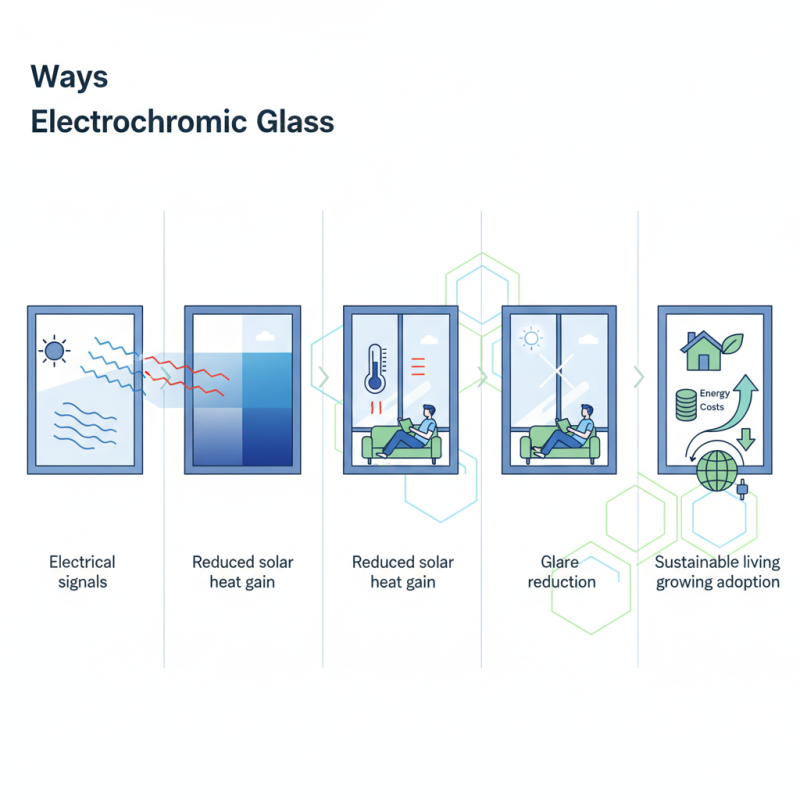
The technology uses electrochromic layers that respond to electrical signals. When activated, these layers change tint, reducing solar heat gain and glare from intense sunlight. This not only enhances comfort but also cuts energy costs. Imagine a bright sunny day where your room remains cool and glare-free, thanks to the simple adjustment of your windows.
Feedback on this technology shows mixed feelings. While many appreciate the benefits, some feel the initial costs are high. It's essential to weigh both sides. Understanding the advancements in electrochromic glass helps inform better architectural choices and promotes energy efficiency. As more people recognize its advantages, its adoption may grow, bringing us closer to sustainable living.
Electrochromic glass is a fascinating technology that adapts to light and temperature changes. It uses a special coating that changes color when an electrical charge is applied. This feature controls heat and glare, making spaces more comfortable and energy-efficient. People often overlook these benefits, focusing more on aesthetics than functionality.
The technology operates by altering the amount of light that passes through the glass. In bright conditions, the glass darkens, reducing glare and heat. During calmer times, it returns to a clear state, allowing natural light to enter. This automatic adjustment is crucial for buildings, providing environmental control without manual intervention. However, many users may need to adjust their expectations regarding performance in extreme weather.
What’s intriguing is the potential for smarter integration. Electrochromic glass can work alongside smart home systems, enhancing energy savings. Yet, challenges remain in terms of cost and consistency. Some installations may produce inconsistent results. Reflecting on these aspects can lead to a better understanding of how to utilize this innovative technology effectively.
| Feature | Description | Benefits | Application |
|---|---|---|---|
| Light Filtering | Adjusts tint to reduce glare from sunlight. | Enhances visual comfort and reduces eye strain. | Office buildings, homes, and cars. |
| Thermal Insulation | Modulates heat gain or loss by changing transparency. | Improves energy efficiency and comfort. | Skylights, facades, and windows. |
| Privacy Control | Changes opacity at the touch of a button. | Provides privacy without sacrificing natural light. | Bathrooms, conference rooms, and glass partitions. |
| UV Protection | Blocks harmful UV rays when tinted. | Protects skin and prevents fading of furnishings. | Residential and commercial buildings. |
| Smart Integration | Can be integrated with smart home systems for automation. | Offers convenience and enhances lifestyle automation. | Smart homes, modern offices, and automated buildings. |
Electrochromic glass plays a critical role in managing solar heat gain. This innovative material can automatically adjust its tint in response to sunlight. Studies indicate that by reducing solar heat gain, electrochromic glass can lower indoor temperatures by 10-15 degrees Fahrenheit. This reduction enhances comfort and minimizes the need for additional cooling systems.
The ability of electrochromic glass to block up to 90% of solar glare contributes to energy efficiency. A report by the International Energy Agency found that buildings account for 40% of global energy consumption. By integrating electrochromic glass into building designs, architects can create sustainable environments. It is essential to consider the initial costs, as installation requires investment. The long-term savings on energy bills can offset this.
While the technology is promising, it is not without limitations. Performance can vary based on quality, and weather conditions might affect effectiveness. Further research is needed to enhance durability and efficiency. Understanding these nuances is vital for maximizing the benefits of electrochromic glass in urban architecture. The goal is to balance aesthetics, functionality, and sustainability.
Electrochromic glass is a game-changer in glare reduction. This innovative material adapts its tint based on light conditions. When sunlight is intense, the glass darkens, reducing glare significantly. This ability to transform is automatic, thanks to sensors that detect light intensity. Users can enjoy clear views without straining their eyes or dealing with harsh reflections.
In environments like offices or homes, glare can be distracting. It hampers productivity and causes discomfort. Electrochromic glass minimizes these issues with its smart technology. Imagine working at a desk with sunlight pouring in, yet the glare is barely noticeable. This not only enhances comfort but also improves focus, creating a more pleasant work atmosphere.
While this technology is impressive, it isn't perfect. Some users might find the delay in response time bothersome. Adjustments are not always instantaneous, leading to moments of frustration. Moreover, the initial cost can be a consideration for many. However, the long-term benefits of glare reduction and energy efficiency make it an appealing option. Overall, embracing this technology invites a need for reflection on how we balance innovation with practical usability.
This chart illustrates the effectiveness of electrochromic glass in reducing heat and glare in different scenarios. The data shows the percentage of glare reduction and heat control achieved across five common applications.
Electrochromic glass offers advanced solutions for managing heat and glare in modern buildings. This technology features automatic control mechanisms that adapt to environmental changes. According to the International Energy Agency, buildings account for 40% of global energy consumption. Electrochromic glass can significantly reduce this figure by managing solar heat gain.
The smart layers within the glass adjust their tint in response to sunlight intensity. When sunlight is bright, the glass darkens, reducing glare and heat entry. This mechanism improves indoor comfort while lowering air conditioning demands. Studies show that such installations can cut energy costs by 30% in commercial buildings. However, installation can be costly.
Tips: Regular maintenance of electrochromic systems is vital for optimal performance. Over time, dirt and grime can affect functionality. Also, consider integrating sensors for real-time adjustments. Even with advanced technology, reliance on passive methods may require reconsideration.
One challenge remains: the initial cost of retrofitting existing buildings. Despite undeniable benefits, integrating this technology raises questions. Is the investment worth it in the long term? Balancing energy efficiency with budget constraints is essential for decision-makers.
Electrochromic glass provides a significant advantage in modern architecture by actively controlling heat and glare. This innovative technology allows windows to change their tint in response to sunlight. As a result, room temperatures remain stable and comfort levels increase. The smart glass can reduce reliance on air conditioning, leading to energy savings.
Integrating electrochromic glass into your building design offers many benefits. It enhances privacy while allowing natural light to enter. Architects appreciate its versatility, especially in large spaces. This glass type can reduce glare, making environments more enjoyable. Yet, some may find the initial cost challenging.
Balancing cost with long-term savings is essential.
Tips: Consider your building's orientation to maximize the benefits. Assess how sunlight interacts with your space throughout the day. Additionally, explore various shades available to meet aesthetic needs. Reflect on how different environments, like offices and homes, might require different glass types.
This careful analysis can lead to better-informed decisions.
: Electrochromic glass changes tint in response to sunlight. It helps control heat and glare in buildings.
This glass can reduce solar heat gain, cutting energy costs by up to 30% in commercial settings.
Yes, regular maintenance is essential. Dirt and grime can affect the glass's performance over time.
The initial cost can be high. It raises questions about whether the long-term investment is justified.
By darkening in bright sunlight, it reduces glare and stabilizes indoor temperatures, decreasing air conditioning needs.
Assess the building's orientation. Understand how sunlight interacts with your space for maximum benefits.
Yes, it enhances privacy while still allowing natural light to enter spaces, improving comfort.
Different environments may require different glass types. Consider how various spaces might need tailored solutions.
Electrochromic glass technology offers innovative solutions for controlling heat and glare in modern architecture. By adjusting its tint in response to environmental conditions, electrochromic glass minimizes solar heat gain, thereby enhancing energy efficiency within buildings. This technology utilizes a combination of coatings that react to electrical stimuli to change their opacity, which effectively reduces unwanted glare from sunlight.
Automatic control mechanisms play a crucial role in this process, allowing the glass to respond dynamically to sunlight and ambient light levels. By employing sensors and smart controls, users can enjoy a comfortable indoor environment without manual adjustments. Understanding how does electrochromic glass control heat and glare automatically is essential for architects and builders looking to incorporate sustainable practices into their designs. The benefits of adopting this technology include improved energy savings, increased comfort, and enhanced aesthetic appeal, making electrochromic glass a valuable asset in contemporary architecture.
