MGW Glass
Dealing with condensation in double glazing can be frustrating. Many homeowners wonder, "why does my double glazing have condensation inside?" According to experts like John Smith, a leading authority in window technology, "Condensation is often a sign of failing seals." His insights highlight the importance of understanding how double glazing works.
When the seals of double glazed windows wear down, moisture can enter the space between the panes. This leads to visible condensation, particularly in colder months. The trapped moisture not only obstructs your view but can also indicate deeper issues, like reduced energy efficiency. Homeowners should be vigilant, as this could exacerbate problems over time.
Finding the root cause is essential. In many cases, these issues arise from poor installation or lack of maintenance. Regular checks can help prevent condensation. Ultimately, understanding why double glazing has condensation inside can empower homeowners to take action and protect their investments. Observing changes over time can provide insights into the health of your windows.
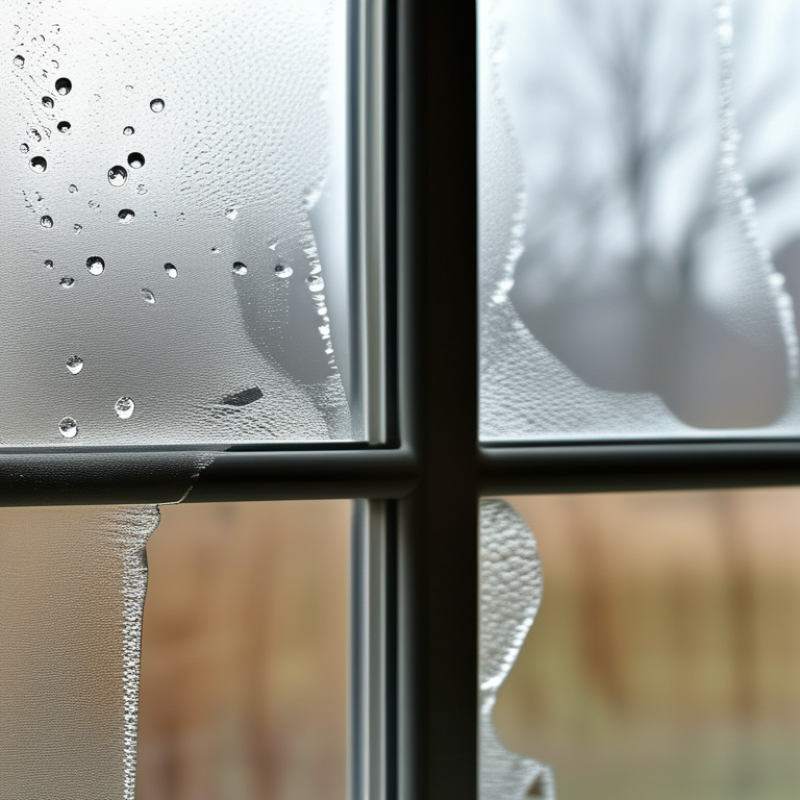
Double glazing plays a critical role in modern homes. It consists of two glass panes separated by a spacer filled with gas. This structure enhances insulation and energy efficiency. According to the Energy Saving Trust, double glazing can reduce heat loss by up to 50%. However, condensation inside double glazing can sometimes occur, raising concerns about its effectiveness.
The presence of condensation typically indicates a failure in the seal between the glass panes. Once compromised, the inert gas can escape, diminishing thermal performance. A study by the National Glass Association highlighted that over 70% of homeowners experience condensation issues within ten years of installation. This statistic emphasizes the need for quality installation and regular maintenance. Ignoring these aspects could lead to energy wastage and higher utility bills.
Many homeowners overlook the impact of indoor humidity and temperature on their double glazing. High humidity levels can increase condensation risks. The UK’s Building Research Establishment recommends maintaining indoor humidity between 30-50%. This balance not only prolongs the lifespan of double glazing but also improves overall comfort. Understanding these factors can help homeowners make informed decisions about their windows.
Internal condensation in double glazed windows can be frustrating. It often points to several underlying issues. Understanding these common causes can help homeowners address the problem efficiently.
One primary cause of internal condensation is a breakdown of the window’s seal. Once the seal fails, moisture can enter the space between the panes. A report from the Fenestration and Glazing Industry Alliance indicates that a significant percentage of double glazing units fail within their first decade due to seal failure. This allows humid air to condense inside, especially during colder months.
Another factor to consider is indoor humidity levels. Homes with high humidity from cooking or showering can elevate moisture levels drastically. Research by the Building Research Establishment suggests that ideal indoor humidity should be kept between 30% and 50%. Exceeding this range increases the likelihood of condensation forming. Additionally, inadequate ventilation can trap moisture indoors, compounding the problem. Many homeowners overlook the need for proper airflow, which is critical in mitigating condensation.
Poor installation can significantly impact the performance of double glazing. When windows are not fitted correctly, air can leak in, and moisture can become trapped. This leads to condensation forming between the glass panes. Research indicates that improper sealing can decrease insulation efficiency by up to 30%. Such inefficiencies result not only in uncomfortable living conditions but also in higher energy costs.
A study by the Glass and Glazing Federation revealed that up to 70% of replacement double glazing may have installation faults. These issues can stem from inadequate training of installers or rushed jobs. Professional installation is crucial to avoid pitfalls. Many homeowners do not recognize the long-term effects of poor installation until it’s too late. The presence of internal condensation can signal deeper issues within the window unit.
Moreover, condensation can lead to mold growth over time. This poses health risks, especially for allergy sufferers. Proper installation ensures not just aesthetics but also longevity and performance. Investing in certified glaziers can be beneficial. It’s essential to choose someone with a proven track record and relevant experience to guarantee optimal window performance.
Condensation inside double glazing is a common issue. It often suggests a problem with the seal. Here are some solutions to help you tackle this problem effectively.
First, ensure proper ventilation in your space. Lack of airflow contributes to moisture buildup. Use exhaust fans in kitchens and bathrooms. Open windows frequently to let fresh air in. This simple step can significantly reduce condensation.
Tips: Consider using a dehumidifier. It removes excess moisture from the air. It can be particularly helpful in damp areas, like basements.
Another approach is to check the temperature settings in your home. Maintaining a consistent indoor temperature helps reduce condensation. Avoid drastic temperature changes by using thermostats wisely.
Tips: Insulating windows properly can also help. It minimizes temperature differences that lead to condensation. Use thermal curtains as an extra layer of insulation.
If condensation persists, inspect the seals on your windows. Damaged seals allow moisture to enter the space between panes. Sometimes, professional help may be needed to replace these seals. It is essential to address this before more severe issues arise.
Double glazing should enhance energy efficiency and comfort. However, when condensation forms between the panes, it indicates potential issues. Industry data reveals that nearly one in five homeowners experiences some double glazing malfunction. If condensation persists, this may signal a broken seal. Ignoring this could lead to more significant problems, including mold growth.
Professional help is often necessary. Experts suggest that if you see condensation within 72 hours or if it appears consistently, it is time to act. Don't wait; prolonged moisture can lead to irreversible damage. The British Fenestration Rating Council states that effective double glazing should maintain a clear void between panes. If your unit is compromised, repairs can be costly, sometimes exceeding several hundred dollars.
Knowing when to seek assistance can save you time and stress. If you notice fluctuating temperatures or difficulty opening windows, consulting a professional is wise. Data from housing surveys indicate that unresolved double glazing issues can lead to higher energy costs by as much as 25%. Addressing the problem early is crucial for maintaining your home's integrity and comfort levels.
| Issue | Symptoms | Potential Causes | Recommended Action |
|---|---|---|---|
| Condensation between panes | Visible moisture or fogging between glass panes | Seal failure, thermal stress | Replace the sealed unit |
| Condensation on interior surface | Moisture present on the inside of the double glazing | High indoor humidity, poor ventilation | Improve ventilation, use dehumidifier |
| Draughts around window | Cold air entering from sides of the window | Damaged frame or sealant | Re-seal or replace window frame |
| Mold growth | Visible mold on window frames | High humidity, condensation accumulation | Clean mold, address moisture issues |
: Double glazing consists of two glass panes with a gas-filled spacer, enhancing insulation and energy efficiency.
It can reduce heat loss by up to 50%, improving overall energy efficiency in homes.
Condensation often results from a broken seal, allowing moisture to enter between the glass panes.
High indoor humidity levels raise condensation risks. Ideal humidity is between 30% and 50%.
Poor installation leads to air leaks and moisture traps, resulting in condensation and loss of insulation efficiency.
Up to 70% of replacement double glazing may have installation errors due to rushed jobs or inadequate training.
Yes, condensation can lead to mold growth, posing health risks, especially for those with allergies.
Yes, regular maintenance is crucial to avoid energy wastage and higher utility bills due to seal failures.
Ensuring proper ventilation and controlling indoor humidity can help reduce the risk of condensation.
Certified glaziers have proven experience, ensuring better installation quality and long-term performance of double glazing.
Double glazing is designed to provide insulation and reduce heat loss, but many homeowners often wonder, "why does my double glazing have condensation inside?" This issue typically arises from various factors including high indoor humidity, temperature differences between the inside and outside, and insufficient ventilation. Poor installation can also exacerbate these problems by compromising the seals that keep the internal space of the window dry.
To address and prevent internal condensation, it is crucial to ensure proper ventilation and maintain a comfortable indoor climate. Additionally, inspecting and, if necessary, replacing poorly installed windows can help improve their performance. If condensation persists despite these efforts, seeking professional help may be the best course of action to assess and resolve underlying issues effectively.
