MGW Glass MGW Glass

Top 10 Differences Between Laminated and Tempered Glass Safety

Time:2026-07-25 Author:Mason
0%

The distinction between laminated and tempered glass is crucial in safety applications. Both types serve essential roles in construction, automotive design, and security. According to the American Glass Association, the global glass market is projected to reach $213.32 billion by 2027, highlighting its importance.

When exploring what is the difference between laminated and tempered glass in safety, the answer lies in their unique properties. Laminated glass consists of layers of glass with a plastic interlayer. This design helps hold the glass together when shattered. In contrast, tempered glass is heat-treated, making it significantly stronger but also more prone to shattering into tiny, blunt pieces.

In real-world applications, these differences are significant. For instance, laminated glass is commonly used in skylights and car windshields, where safety is paramount. Conversely, tempered glass is often found in shower enclosures and glass doors. Notably, many installations still overlook these safety features. Understanding these differences can mitigate risks and enhance safety standards significantly.
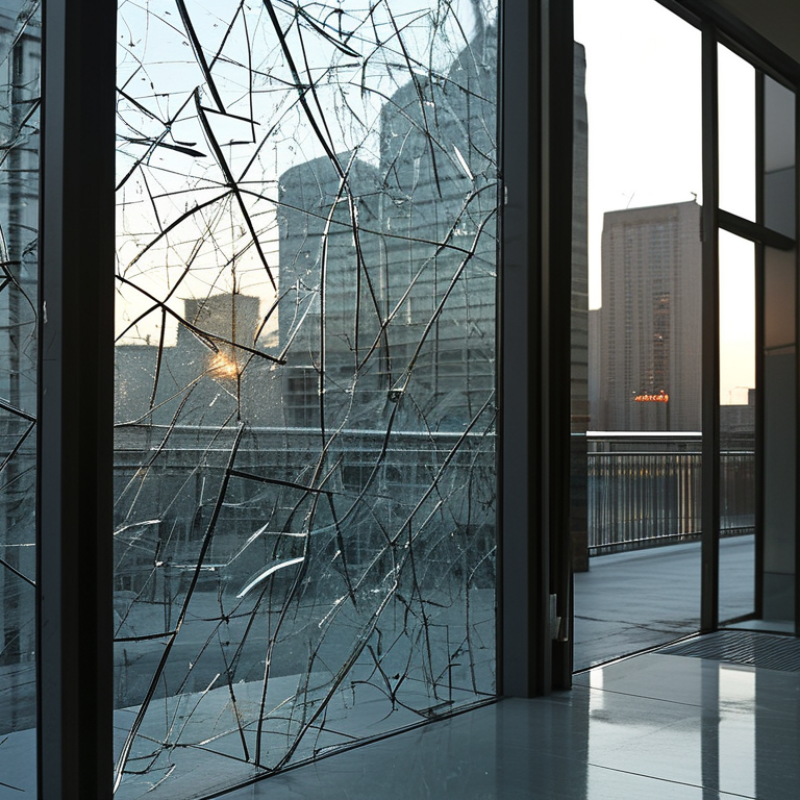
Top 10 Differences Between Laminated and Tempered Glass Safety

Laminated Glass: Definition and Composition Overview

Laminated glass is a safety product designed to provide exceptional resilience. It consists of two or more layers of glass bonded with a plastic interlayer. This structure helps to keep the glass intact if shattered, minimizing the risk of injury. The interlayer remains transparent and adds strength. Laminated glass is commonly used in the automotive and architectural industries for its protective qualities.

Tip: When selecting laminated glass, consider the thickness of the interlayer. Thicker layers often provide better sound insulation and impact resistance.

The manufacturing process involves high heat and pressure. This creates a strong bond between the glass and interlayer. It is crucial to ensure quality control during production. Any flaws can compromise safety. Various types of interlayers are available, allowing for customization based on specific needs.

Tip: Always consult a professional for installation. Poor installation can negate the benefits of laminated glass.

Most often, laminated glass is used in places where safety is paramount. For example, skylights and windows in high-rise buildings utilize this glass due to its strength. However, laminated glass can be more expensive than other types. This may limit its use in certain applications.

Tempered Glass: Definition and Manufacturing Process Explained

Tempered glass, also known as toughened glass, undergoes a rigorous manufacturing process. This involves heating the glass to over 600 degrees Celsius and then cooling it rapidly. This method ensures that the glass becomes much stronger than standard glass. Industry reports indicate that tempered glass can withstand impact forces up to five times greater than untempered glass.

This unique property makes it a preferred choice in safety applications.

However, tempered glass is not completely unbreakable. If shattered, it breaks into small, blunt pieces instead of sharp shards. This feature minimizes injury risks, but it does not eliminate them entirely. Regular inspection for signs of stress or imperfections can help in identifying potential failures.

Tips: Always buy tempered glass from certified manufacturers. Regular maintenance checks can increase safety. Consider using laminated glass in high-risk areas as it provides added security. Inspections are essential, as even tempered glass can develop structural weaknesses over time. Aim for an informed selection based on the specific needs of your project.

Key Safety Features of Laminated Glass

Laminated glass is renowned for its excellent safety features. One of its primary benefits is the interlayer that holds the glass together during breakage. This interlayer prevents shattering shards from scattering. Instead of falling apart, the glass stays intact, reducing injury risks. This characteristic makes laminated glass ideal for places with heavy foot traffic.

In addition, laminated glass offers enhanced sound insulation. The inner layer absorbs noise, contributing to a quieter environment. This can be particularly beneficial in residential buildings near bustling streets. However, some might overlook the fact that laminated glass can be heavier than standard glass. This factor requires careful consideration during installation.

Another noteworthy aspect is the UV filtering capability. Laminated glass blocks about 99% of harmful UV rays. This helps protect interiors from fading. Yet, while laminated glass has many advantages, it’s crucial to note that it’s not entirely shatterproof. There are instances where severe impacts can compromise its integrity. Balancing the pros and cons is essential when selecting the right glass for specific safety needs.

Key Safety Features of Tempered Glass

Tempered glass is known for its exceptional safety features. One of its standout qualities is its ability to withstand high temperatures. It can endure thermal stress much better than laminated glass. This makes it ideal for environments like kitchens and bathrooms. Glass panels in these areas often face rapid temperature changes. Therefore, tempered glass is a safer choice.

Another important safety feature of tempered glass is its shattering behavior. When broken, it shatters into small, blunt pieces. This significantly reduces the risk of injury. In contrast, laminated glass may break into larger, sharp shards. This difference could lead to more severe accidents. Additionally, tempered glass undergoes an intense heating and cooling process. This treatment enhances its strength and makes the glass more resilient to impact compared to its laminated counterpart.

Despite its many advantages, tempered glass is not entirely without risks. It can still break if subjected to extreme force, so users should exercise caution. When considering safety, the environmental context is crucial. Each type of glass has unique features. Assessing the specific needs of your space is essential for optimal safety. Balancing aesthetics and safety considerations should be a priority. Always seek expert advice for the best solution.

Comparative Analysis of Impact Resistance in Both Glass Types

When comparing laminated and tempered glass, impact resistance is crucial. Laminated glass consists of layers bonded with a resin interlayer. This design allows the glass to absorb energy during an impact. It remains intact, preventing shards from scattering. This quality enhances safety in case of accidents.

Tempered glass undergoes a heating and cooling process, increasing its strength. It can withstand significant forces. However, when it breaks, it shatters into small, blunt pieces. This minimizes injury risk but may pose a different set of challenges. In certain applications, like facades, the sudden failure of tempered glass can be concerning.

Understanding these differences impacts safety decisions. Laminated glass may be better for environments where safety is essential. However, tempered glass serves well in high-stress situations. Evaluating the context helps determine which type offers the best protection. Consider the space and potential risks when choosing glass types. Each has its strengths and weaknesses.

Comparative Analysis of Impact Resistance: Laminated vs. Tempered Glass

This chart illustrates the comparative impact resistance of laminated glass versus tempered glass. Laminated glass has an impact resistance of approximately 35 MPa, while tempered glass shows a significantly higher resistance of around 70 MPa, highlighting its superior strength and safety features in high-stress situations.

FAQS

: What is tempered glass known for?

: Tempered glass is known for its exceptional safety features and high-temperature resistance.

How does tempered glass behave when it breaks?

When broken, tempered glass shatters into small, blunt pieces. This reduces the risk of serious injury.

Why is tempered glass preferred in kitchens and bathrooms?

Tempered glass can endure rapid temperature changes, making it suitable for kitchens and bathrooms.

What enhances the strength of tempered glass?

The intense heating and cooling process enhances the strength of tempered glass, making it more resilient.

What should users be cautious about regarding tempered glass?

Tempered glass can still break under extreme force, so users should exercise caution in high-impact situations.

How does laminated glass improve safety?

Laminated glass remains intact during impact, preventing shards from scattering and potential injuries.

In what situations is tempered glass concerning?

If tempered glass suddenly fails in applications like facades, it can present unique safety challenges.

When should laminated glass be chosen over tempered glass?

Laminated glass is better for environments where safety and preventing injury are top priorities.

What factors should be considered when choosing glass?

Consider the space, potential risks, and specific needs when choosing between glass types.

Can aesthetic and safety considerations be balanced?

Yes, balancing aesthetics and safety is essential when selecting glass for any environment.

Conclusion

The article "Top 10 Differences Between Laminated and Tempered Glass Safety" provides a comprehensive overview of the safety characteristics of laminated and tempered glass. Laminated glass is composed of multiple layers of glass, bonded together with a durable interlayer, making it highly effective in preventing shattering upon impact. In contrast, tempered glass is manufactured through a heating and cooling process that increases its strength but can shatter into small, less harmful pieces when broken.

When considering what is the difference between laminated and tempered glass in safety, key safety features of each type become essential. Laminated glass excels in sound insulation and retains fragments, which enhances safety during accidents. On the other hand, tempered glass offers superior resistance to thermal stress and significant impacts. A comparative analysis emphasizes that while both types provide safety, their mechanisms and applications differ significantly, making each suitable for specific uses depending on safety requirements.

Mason

Mason

Mason is a seasoned marketing professional with a deep expertise in the company's offerings and a passion for driving brand awareness. With a strong background in digital marketing strategies, he has an innate ability to connect with diverse audiences and effectively communicate product benefits.......