MGW Glass MGW Glass

How to Determine if Your Glass Wall is Fire Rated?

Time:2026-05-05 Author:Madeline
0%

When designing a fire-safe building, it's essential to understand fire-rated materials. Many property owners overlook the significance of this aspect, especially regarding glass walls. So, how to tell if a glass wall is fire-rated or not? This question is critical for ensuring safety in commercial and residential spaces.

Glass walls can serve as both aesthetic features and safety barriers. They come in various types, but not all provide the necessary fire resistance. To determine if a glass wall is fire-rated, check the labels and certifications. Understanding these details is vital, yet many skip this step. This oversight can lead to severe consequences in case of fire.

Professional guidance can elevate your knowledge about fire-rated glass. Consulting with experts helps clarify specifications. Their insights help identify the right materials for your project. However, even experts can have different opinions. Always seek multiple sources to build a comprehensive understanding. This approach aids in making informed choices when prioritizing safety in your building design.
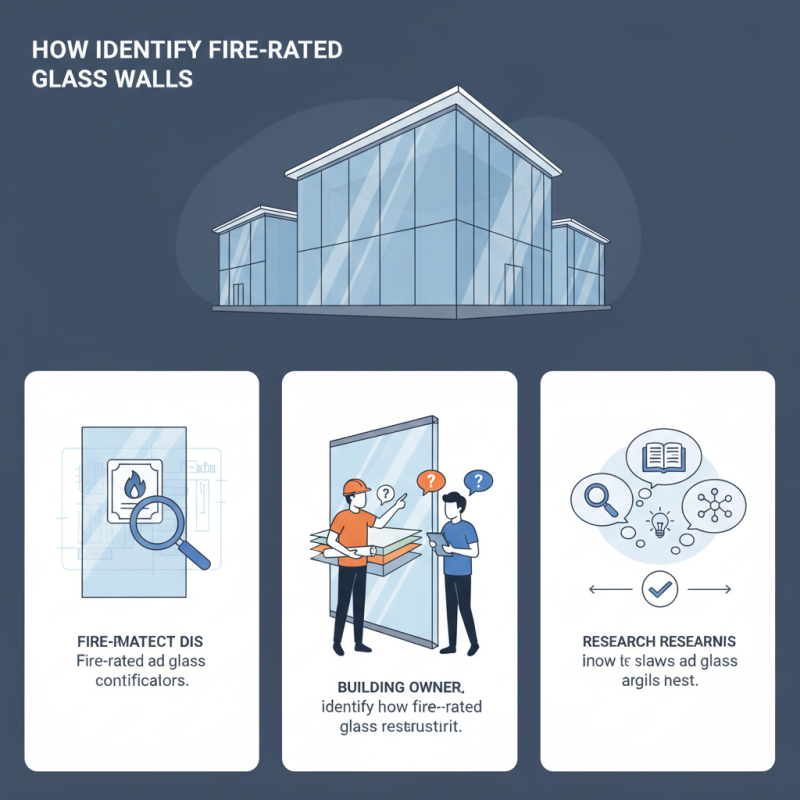
How to Determine if Your Glass Wall is Fire Rated?

Understanding Fire Ratings for Glass Walls

When assessing the fire ratings of glass walls, it’s crucial to understand different classifications. Fire-rated glass can significantly enhance safety. It is designed to withstand high temperatures and prevent the spread of flames. Different types have varying levels of protection. Some resist flames for 20 minutes, while others can endure up to 120 minutes. Knowing these durations is essential for proper installation.

Consulting with a fire safety expert can clarify options. They can assess your building’s specific fire codes and needs. Ensure the glass you choose meets local regulations. Look for documentation that confirms fire performance. Not all glass is equal; some might look appealing but may not perform under fire conditions. Evaluating these details can mean the difference between safety and disaster.

It's easy to assume all glass walls are safe. Many people overlook the importance of checking fire ratings. This oversight could lead to serious consequences. Reflecting on the materials used in your building is vital. Fire-rated glass requires careful attention in both purchase and installation. Don’t take shortcuts when it comes to safety features. A detailed inspection can save lives.

Identifying Markings on Glass for Fire Ratings

When considering fire-rated glass walls, understanding the markings is essential. These markings are often found in one of the corners and provide crucial information. They indicate that the glass meets specific safety standards. The presence of a label or etching means the glass has been tested for fire resistance. Look for terms like “fire resistive” or “fire protective.”

Not all glass is created equal. Some may seem visually appealing but lack fire ratings. This oversight can put individuals at risk. If you cannot find markings, it is wise to consult with a professional. They can clarify the specifications of your glass.

It is also important to note that markings can fade over time. Regularly inspect your glass and its labels. If unsure, reaching out to manufacturers or contractors may provide clarity. Safety should never be compromised. Understanding these details could save lives.

Evaluating Fire Resistance Criteria for Glass Walls

Evaluating fire resistance criteria for glass walls requires a thorough understanding of industry standards. Glass walls must meet specific fire-rated classifications, such as those outlined by ASTM E119 and NFPA 251. These standards detail the necessary criteria for fire endurance testing. Many architects and builders overlook these vital assessments, risking safety and compliance. Reports show that around 30% of building fires are due to inadequate fire safety measures.

The temperature extremes and physical tests can determine a glass wall's fire rating. For example, a fire-rated glass wall may resist flames and heat for up to 60 minutes. This is essential in high-rise buildings or commercial spaces. However, not all glass products are created equal. Some may only achieve lower fire ratings or none at all. A surprising 45% of glass selections fail to meet the required standards.

Regular audits and testing are essential for ensuring compliance with fire safety standards. Engineers should thoroughly inspect and document the glass used in walls. This process helps identify any potential weaknesses in the assembly. Additionally, the installation must be evaluated, as improper installation can compromise fire resistance. Approximately 25% of reported failures stem from installation mistakes, highlighting the need for professional oversight.

Fire Resistance Ratings of Different Glass Types

Consulting Standards and Regulations for Fire Safety

When determining if your glass wall is fire rated, consulting relevant standards and regulations is crucial. The National Fire Protection Association (NFPA) outlines fire protection measures in its numerous codes. Each code specifies how materials and structures should perform during a fire. For glass walls, the NFPA 80 standard is particularly important. This standard provides guidelines on fire doors and windows, including material specifications and performance testing.

Local building codes also provide valuable insights into fire-rated requirements. In many regions, these codes mandate fire-resistance ratings for glass walls. For example, a glass wall may need to meet a one-hour fire rating to separate areas with different occupancy classifications. The International Building Code (IBC) reinforces these requirements, emphasizing the importance of fire barriers to protect life and property.

It's easy to assume any glass is safe, but not all glass walls are created equal. Some may lack adequate fire resistance. Installing systems that don't meet regulations can lead to dangerous situations. Periodic reviews of glass wall compliance with fire ratings ensure safety. Documenting these checks can strengthen building safety protocols, fostering a culture of awareness in fire safety.

How to Determine if Your Glass Wall is Fire Rated?

Criteria Description Regulation Standards
Material Composition Check if the glass is made of fire-resistant materials such as tempered glass or multilayered glass. ASTM E119, NFPA 80
Labeling Requirements Verify if the glass is properly labeled with a fire-resistance rating. UL 263, NFPA 70
Testing Certification Ensure the glass has been tested and certified by an accredited body. ISO 834, EN 13501-2
Installation Guidelines Confirm if the installation meets local and national fire safety codes. IBC, NFPA 101
Performance Ratings Assess the fire resistance rating such as 30, 60, or 90 minutes. ASTM E1529, UL 10C

Working with Professionals for Fire Wall Assessment

When assessing whether a glass wall is fire rated, engaging professionals is vital. Fire rated glass must meet specific standards outlined by organizations like ASTM International. These professionals have the expertise to determine compliance with fire safety standards, ensuring that your glass walls can withstand high temperatures without compromising safety.

A recent report from the National Fire Protection Association indicates that improper assessment of fire walls significantly increases risks during a fire. Experts can conduct thorough inspections, using tools and methods that are not accessible to the average building owner. They can provide detailed evaluations, considering factors like the wall's installation and the materials used.

Collaboration with knowledgeable professionals can also reveal potential weaknesses in your current system. These evaluations might uncover issues that are not apparent at first glance. With their insights, you can make informed decisions about upgrades or modifications. Ultimately, working with industry experts can enhance your building's safety and compliance with fire regulations.

FAQS

: What are fire-rated glass walls?

: Fire-rated glass walls are designed to withstand high temperatures and prevent fire spread.

How long can fire-rated glass resist flames?

Some glass resists flames for 20 minutes, while others can endure up to 120 minutes.

Why is consulting a fire safety expert important?

Experts assess building needs and ensure chosen glass meets local fire regulations.

What should I look for when purchasing fire-rated glass?

Look for documentation confirming fire performance and compliance with safety standards.

Can all glass walls be assumed as safe?

No, not all glass walls have adequate fire resistance; proper checks are needed.

What is the NFPA 80 standard?

NFPA 80 provides guidelines on fire doors and windows, including material specs and performance testing.

How do local building codes relate to fire-rated glass?

Local codes often mandate fire-resistance ratings for glass walls based on occupancy classifications.

What happens if I don’t install compliant glass walls?

Installing non-compliant systems can pose dangerous situations during a fire.

How often should I review glass wall compliance?

Periodic reviews of compliance with fire ratings enhance overall safety strategies.

Why is reflecting on material choices important?

Reflecting on materials ensures safety; overlooking can lead to serious, even disastrous, consequences.

Conclusion

Determining how to tell if a glass wall is fire-rated or not involves several key steps. First, it's essential to understand fire ratings specifically designed for glass walls, which indicate their ability to withstand fire exposure. Identifying markings on the glass itself can provide immediate insight, as many fire-rated glass products bear certifications that affirm their ratings.

Additionally, evaluating the fire resistance criteria specific to the installation context is crucial, as different environments may require varying levels of protection. Consulting relevant fire safety standards and regulations further aids in ensuring compliance and safety. Finally, for the most accurate assessment, working with professionals who specialize in fire safety can provide clarity and guidance in confirming the fire rating of glass walls.

Madeline

Madeline

Madeline is a dedicated marketing professional with a wealth of expertise in our company's core offerings. With a keen understanding of the industry, she brings a unique perspective to her role, consistently delivering high-quality content that highlights the superior aspects of our products. As......