 MGW Glass
MGW Glass
MGW Glass
The question "can curved glass be used for load-bearing structures" is becoming increasingly relevant in modern architecture. As building designs evolve, the demand for innovative materials is higher than ever. Recent reports estimate the global architectural glass market to reach $162 billion by 2025, showcasing a growing trend towards creative use of materials. Architects are exploring the potential of curved glass not just for aesthetics but also for structural integrity.
Curved glass offers unique artistic possibilities. However, its ability to bear loads poses challenges. Standard glass can handle certain stress levels, but curved variations face additional complications, such as uneven weight distribution. Some experimental structures have tested this concept, with data suggesting a load capacity of 20% less than traditional materials used in similar applications. The results prompt a deeper reflection on its practical applications and the engineering required.
While innovative uses of curved glass are inspiring, engineers must tackle issues of safety and durability. Clear standards for load-bearing glass are still evolving. This area requires ongoing research and collaboration between architects and material scientists. As interest in this field grows, so does the responsibility to ensure that designs prioritize both aesthetics and safety. Exploring these questions will pave the way for innovative solutions in architecture.
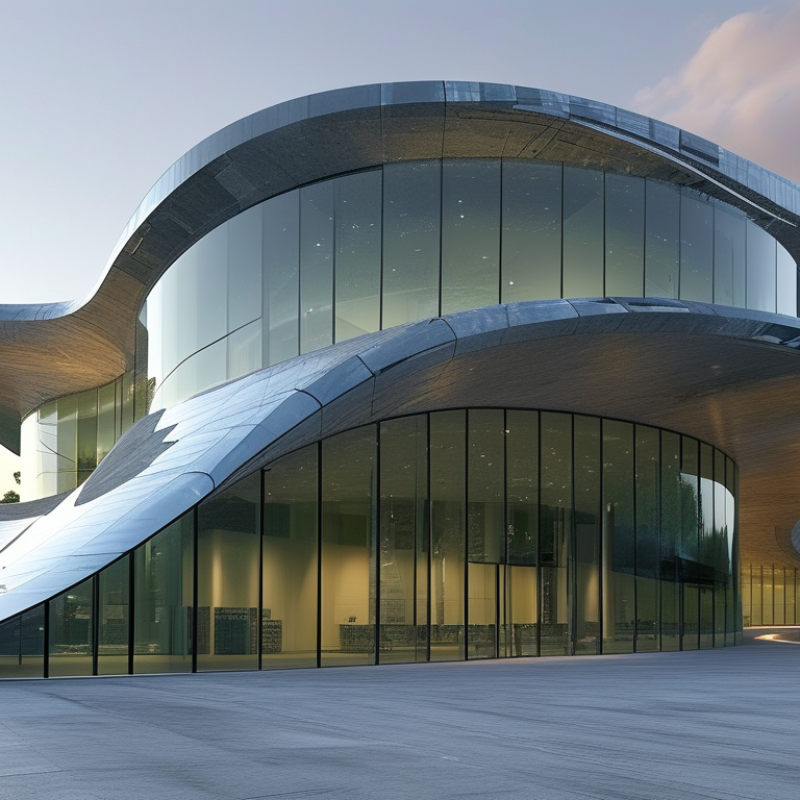
Curved glass has gained attention in the construction industry due to its aesthetic appeal and potential structural benefits. This material is not just a visual statement; it also possesses unique physical properties. Research indicates that curved glass can be designed to withstand significant loads. A study by the American Society of Civil Engineers highlights that properly engineered curved glass can achieve a strength-to-weight ratio comparable to traditional materials.
However, there are challenges. The manufacturing process of curved glass is complex and can lead to inconsistencies. Industry experts note that variations in thickness and quality can affect performance. According to a report by the Glass Association, only specific types of glass can meet load-bearing requirements when curved. The durability of these materials under extreme weather conditions is still under scrutiny.
Additionally, the cost associated with curved glass installation is higher than that of flat glass. This poses a barrier for many projects. While architects are excited about the design possibilities, the practical limitations cannot be ignored. Continuous innovation in production methods is essential for wider adoption of curved glass in load-bearing applications. Balancing aesthetics with functionality remains a critical aspect of modern construction practices.
| Property | Value | Significance in Load Bearing |
|---|---|---|
| Compression Strength | 60 MPa | Essential for supporting heavy loads without cracking. |
| Bending Strength | 30 MPa | Critical for maintaining structural integrity under bending forces. |
| Thermal Resistance | Up to 200°C | Allows for use in environments with temperature fluctuations. |
| Weight | 2.5 kg/m² | Lightweight nature complements load-bearing applications. |
| Impact Resistance | High | Enhances durability and safety in construction. |
| Curvature Radius | Minimum 1.5 m | Defines the flexibility and application in design structures. |
| Transparency | Up to 90% | Allows natural light entry, enhancing aesthetic appeal. |
: Curved glass is used for its unique aesthetic and structural benefits in modern architectural designs.
Yes, when properly engineered, curved glass can achieve a strength-to-weight ratio similar to traditional materials.
The manufacturing process can create inconsistencies in thickness and quality, affecting overall performance.
Its durability under severe weather conditions is still being studied; caution is advised.
Yes, installation costs are higher compared to flat glass, which can be a financial barrier for projects.
Thickness, curvature, and treatment of the glass impact how much load it can handle safely.
A proper support system, including adequate framing and connections, is crucial for load distribution.
Make sure the glass is tempered; this helps improve its overall strength and durability.
Failure to adhere to safety standards can compromise structural integrity and lead to failures.
Curved glass provides design flexibility that flat glass cannot, allowing for creative architectural solutions.
The article "Can Curved Glass Be Used for Load Bearing Structures?" delves into the unique properties of curved glass and its potential applications in construction. By examining the physical characteristics of curved glass, the article highlights its flexibility and aesthetic appeal while also addressing the fundamental load-bearing requirements that materials must meet. Historical precedents in architecture and engineering showcase the successful use of curved glass, leading to a discussion on its advantages, such as reduced weight and enhanced design possibilities, as well as potential drawbacks, including challenges related to strength and safety.
Furthermore, the article explores innovative applications and future research directions that could position curved glass as a viable option for load-bearing structures. By addressing the critical question of whether can curved glass be used for load-bearing structures, the article aims to inspire further exploration and development in the field of construction, ultimately contributing to the evolution of architectural design and structural integrity.
