 MGW Glass
MGW Glass
MGW Glass
Choosing the right energy-efficient glass for commercial buildings is crucial in today’s sustainable architecture. According to the U.S. Department of Energy, buildings account for nearly 40% of energy consumption in the country. Selecting appropriate glazing can significantly reduce this demand. Expert David L. Smith emphasizes, "The right glass can cut heating and cooling costs by up to 30%."
When considering how to choose the right energy-efficient glass for commercial buildings, various factors come into play. Solar heat gain, visible light transmittance, and insulation properties are vital. For instance, low-emissivity (Low-E) glass can prevent unwanted heat loss, improving energy efficiency. However, decision-makers may feel overwhelmed by the multitude of options available. Each project is unique; there is no one-size-fits-all solution.
Moreover, clarity and understanding are key. Misunderstandings about energy performance ratings can lead to poor choices. Building owners must reflect on the trade-offs between cost and long-term savings. The goal is to enhance comfort while minimizing environmental impact.
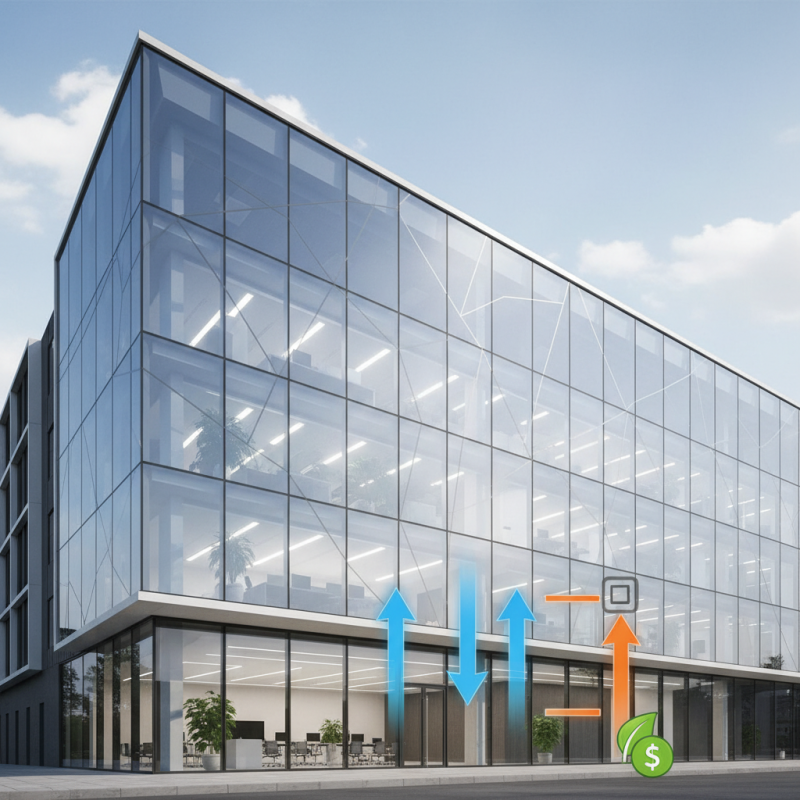
Energy efficiency is critical in commercial buildings. According to the U.S. Department of Energy, commercial buildings account for about 20% of the total energy usage in the United States. Choosing the right glass can significantly reduce energy consumption. Well-selected glass can enhance insulation, reducing heating and cooling costs by up to 30%.
High-performance glass options include low-emissivity (low-E) coatings. These coatings reflect heat while allowing natural light to enter. A study by the National Renewable Energy Laboratory found that buildings using low-E glass can decrease energy use for cooling by nearly 25%. Choosing the right tinting also matters. Lighter tinted glass can reduce glare and maintain indoor comfort without sacrificing visibility.
However, energy efficiency in glass isn't without challenges. Not all buildings can benefit equally from high-performance glass due to various factors like climate and orientation. Older structures may require significant upgrades, which can be costly. Yet, these investments often pay off through reduced utility bills. Balancing initial costs with long-term savings is essential for building owners when selecting glass options.
: Thermal performance is crucial. Look for glass with low U-value for better insulation and heat retention.
Aim for a compromise. Low SHGC glass allows light while reducing heat gain, minimizing cooling costs.
The right glass varies by climate. Some glass types work better in hot areas versus cooler regions.
Focus on U-value and SHGC. They indicate insulation quality and the amount of solar heat allowed in.
Energy-efficient glass can cut energy bills by 10-30%. The initial investment may be higher, though.
Yes, aesthetics matter. The right glass improves both energy efficiency and visual appeal of the building.
Orientation, shading, and design affect energy use. Each building has unique challenges that must be assessed.
No, trends can mislead. Analyze specific needs to make decisions, as perfection in choice is unrealistic.
Consider initial costs versus long-term savings. Each glass option may have limitations requiring careful evaluation.
Higher-quality glass lasts longer. It's essential for ensuring better value over time in energy savings.
Choosing energy-efficient glass for commercial buildings is critical for enhancing energy performance and reducing operating costs. This article explores the importance of energy efficiency in commercial glass, highlighting different types available for various applications. When considering how to choose the right energy-efficient glass for commercial buildings, key factors include the glass’s thermal insulation properties, solar heat gain coefficients, and visual comfort.
Evaluating performance ratings is essential, as they provide insight into the glass's energy-saving capabilities. A cost-benefit analysis can further demonstrate the long-term savings versus initial investments, making it clear that while energy-efficient glass may require a higher upfront cost, the benefits in energy savings and increased comfort can significantly outweigh this initial expense, ultimately leading to more sustainable building practices and environments.
