MGW Glass
In the ever-evolving world of interior design, the choice of materials is crucial. U-channel glass has emerged as a favored option for both interior partitions and facades. Why use U-channel glass for interior partitions and facades? This type of glass not only enhances aesthetic appeal but also offers practical benefits. According to a recent industry report by Grand View Research, the global glass market is expected to reach $213 billion by 2027, indicating a growing demand for innovative applications.
One significant advantage of U-channel glass is its structural integrity. Compared to traditional drywall or solid partitions, U-channel glass provides transparency and openness. This can create a sense of spaciousness in smaller areas. Moreover, it allows natural light to penetrate deeper into interiors, fostering a more pleasant environment. However, glass can be perceived as fragile, and some may question its security. This concern invites reflection on balance between elegance and practicality.
Moreover, the energy efficiency of U-channel glass plays a vital role in sustainable design. Energy Star-rated glass can substantially reduce heating and cooling costs. As architects and designers prioritize eco-friendly solutions, the demand for U-channel glass continues to grow. It stands as an example of how design choices can reflect both aesthetic preferences and environmental considerations, yet it reminds us to weigh costs against benefits thoughtfully.
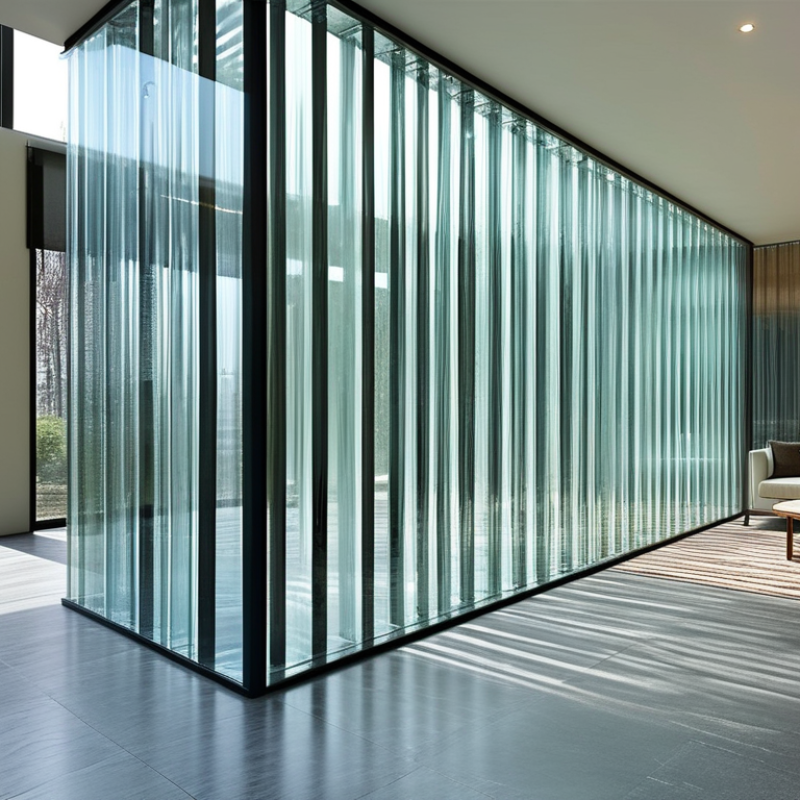
U-channel glass is becoming a popular choice for interior design. Its unique structure enhances both aesthetics and functionality. The smooth edges and sleek appearance provide a modern touch to spaces. Designers appreciate how it divides areas without closing them off. Light passes through beautifully, maintaining an open feel.
This glass type is versatile. It can be used in offices, homes, and commercial spaces. The semi-transparent nature creates privacy while allowing visibility. However, it can be tricky to clean. Fingerprints and dust are noticeable, requiring regular upkeep. It's essential to consider maintenance before choosing this option.
Additionally, U-channel glass can be a challenge with temperature control. It may not insulate as well as solid walls. This could lead to higher energy costs. Weighing these factors is crucial for a successful design choice. Overall, if selected carefully, U-channel glass brings a significant benefit to modern interiors.
U-channel glass has emerged as a popular choice for interior partitions due to its impressive durability and strength. This unique glass structure provides both aesthetic appeal and structural integrity. Its design involves U-shaped channels that enhance stability while allowing light to filter through effectively. This makes it ideal for spaces where illumination is as vital as privacy.
The strength of U-channel glass is notable. It can withstand various stresses without compromising safety. However, application in high-traffic areas may still require consideration of wear and tear. Additionally, while U-channel glass is resilient, the edges can be vulnerable if not properly handled. It’s essential to install it with care to maintain its longevity.
In a bustling environment, the durability of U-channel glass contributes to a serene atmosphere by absorbing sound. Yet, it’s pertinent to assess its performance in extreme conditions. Understanding its limitations, such as potential thermal expansion, is key. This ensures the glass fulfills its role without unexpected issues, making careful planning crucial.
U-channel glass brings a unique aesthetic to modern architecture. Its sleek and contemporary design fits seamlessly in various environments. The minimalist look enhances natural light, creating spacious interiors. According to a recent industry report by Smith Research, U-channel glass usage can increase natural light by up to 30%. This not only improves visual appeal but also promotes energy efficiency in buildings.
The transparency and texture of U-channel glass create visual interest. It can be used in both interior partitions and facades, offering versatility. Many architects appreciate its ability to create open spaces while maintaining privacy. However, the reflective quality can lead to glare, making careful placement essential. The balance between beauty and functionality can be a challenge.
Moreover, the installation process may require precise craftsmanship. While U-channel glass is durable, it can be difficult to handle. Any miscalculations can lead to costly mistakes. Continual training and skilled labor are vital. The aesthetic advantages, alongside strategic planning, can lead to stunning architectural results that meet modern design needs.
U-channel glass has gained popularity in interior design due to its versatility. It can be used in various applications, such as office partitions, shower enclosures, and even facades. Its unique channel shape allows for seamless integration into different environments. Architects appreciate its ability to create modern aesthetic while maintaining functionality.
According to a report by Research and Markets, the global architectural glass market is projected to reach $214 billion by 2028. This reflects a growing trend towards innovative materials in construction. U-channel glass plays a significant role here, providing excellent light transmission while ensuring privacy. Its insulating properties contribute to energy efficiency in buildings, which is increasingly crucial in today's market.
While U-channel glass offers many benefits, it also has limitations. It can be challenging to install without professional expertise. Misalignment during installation may lead to structural weaknesses. Additionally, the glass's surface may require regular cleaning to maintain its visual appeal. These factors must be weighed carefully when considering U-channel glass for a project. Understanding both the advantages and challenges is essential for making informed decisions in interior design.
U-channel glass has gained popularity for interior partitions and facades, primarily due to its energy efficiency. This type of glass provides excellent thermal performance, minimizing heat loss and reducing energy consumption. The design allows for better insulation, which is essential in modern construction. Additionally, U-channel glass can enhance natural lighting. This not only reduces the need for artificial lighting but also creates a visually appealing space.
Sustainability is a growing concern in architecture. Using U-channel glass can contribute to greener buildings. Its durable nature means less frequent replacements, leading to fewer materials used over time. Moreover, U-channel glass can be manufactured from recycled materials, further reducing its carbon footprint. However, it's crucial to consider the environmental impact of manufacturing processes. These processes can sometimes offset the benefits of using recycled content.
Balancing performance and sustainability is vital. While U-channel glass offers energy-efficient solutions, its environmental impact varies based on sourcing and production methods. Architects and builders should evaluate these factors closely. A well-informed decision can lead to more sustainable building practices, ultimately shaping a better future.
: U-channel glass is a type of glass designed with a unique U-shaped structure.
Its modern aesthetic and functionality make it a popular choice for various spaces.
It allows light to pass through while maintaining an open and airy feel.
It offers semi-transparency, providing privacy without completely closing off spaces.
Fingerprints and dust are easily visible, making regular maintenance necessary.
It may not insulate as well as solid walls, potentially increasing energy costs.
It is strong but may require careful handling to avoid wear and tear.
Yes, it can contribute to a more serene atmosphere by absorbing sound.
Proper installation is essential to maintain the glass's longevity and performance.
It may weaken under extreme conditions, such as temperature changes.
U-channel glass has become a popular choice for interior partitions and facades due to its numerous benefits. One reason to ask why use U-channel glass for interior partitions and facades is its exceptional durability and strength, making it suitable for various architectural applications. Additionally, the sleek aesthetic appeal of U-channel glass enhances modern design, allowing for a seamless integration of light and transparency in indoor spaces.
Moreover, the versatility of U-channel glass enables its use in diverse settings, from residential to commercial projects. This type of glass also aligns with sustainability considerations, as it contributes to energy efficiency by maximizing natural light while minimizing the need for artificial lighting. Overall, U-channel glass not only meets the functional demands of partitions and facades but also elevates the aesthetic and environmental aspects of interior design.