MGW Glass
At the upcoming 139th Canton Fair, the spotlight will shine on innovative products like "Greenhouse Diffuse Glass." This material is gaining attention for its ability to optimize light distribution in greenhouses. Dr. Lisa Huang, a renowned expert in horticultural technology, stated, “Greenhouse Diffuse Glass enhances plant growth by providing uniform light, reducing shadow effects.”
The integration of such advanced materials aligns perfectly with the fair's focus on cutting-edge manufacturing. Attendees can expect to explore how "Greenhouse Diffuse Glass" contributes to sustainable agriculture. With a growing emphasis on quality and resource efficiency, this product stands out among the myriad of innovations presented.
However, while the benefits are clear, challenges exist. Not all stakeholders fully grasp the significance of "Greenhouse Diffuse Glass" in improving yields. There remains a gap in knowledge regarding its long-term advantages. As buyers and suppliers convene at the fair, discussions on overcoming these barriers will be crucial for broader adoption.
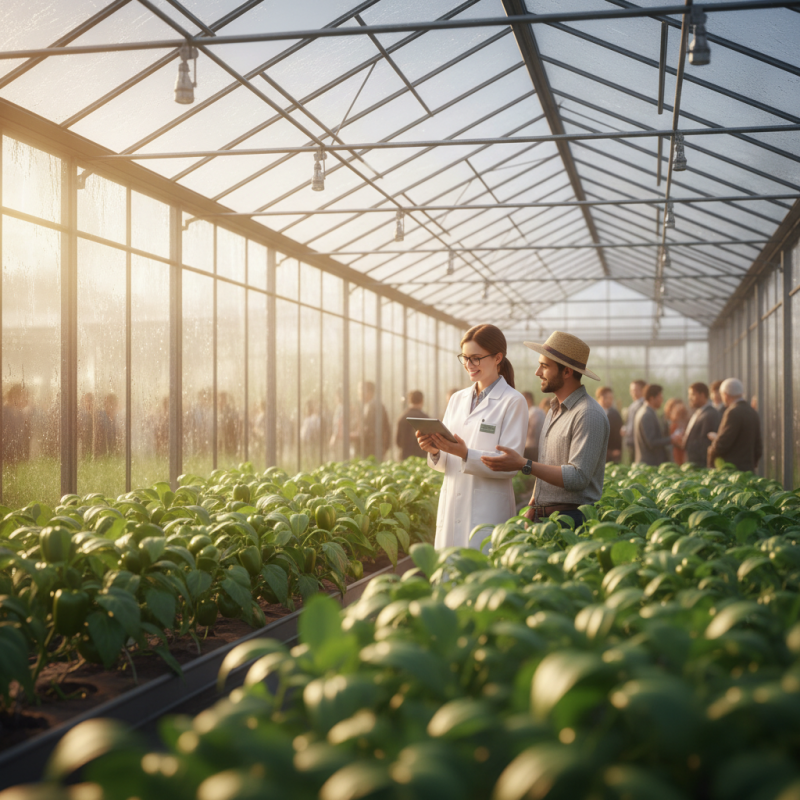
When considering greenhouse construction, diffuse glass stands out for its numerous benefits. Diffuse glass scatters sunlight, ensuring an even light distribution across the entire growing area. This is crucial for plant growth, as uneven light can lead to stunted development or wilting. Studies suggest that using diffuse glass can increase photosynthesis efficiency by up to 25%. This improvement can significantly enhance crop yields, making it a smart investment for greenhouse growers.
In addition to improved light distribution, diffuse glass enhances energy efficiency. By minimizing glare, it reduces the need for artificial lighting during daytime. Reports indicate that greenhouses employing diffuse glass can save up to 30% on lighting energy costs. This not only lowers overhead expenses but also contributes to a more sustainable growing environment. While the initial cost of diffuse glass may be higher than traditional options, the long-term savings often justify the investment.
Tips: To maximize the benefits of diffuse glass, regularly monitor light levels within the greenhouse. Adjust plant spacing to ensure even exposure. Consider seasonal energy shifts, and use shading strategies when necessary. Keep an eye on maintenance needs, as a clear surface will enhance its scattering benefits over time. Remember, optimal conditions lead to healthier plants.
Greenhouse diffuse glass offers numerous advantages for agricultural practices. Its unique surface design scatters sunlight. This scattering effect ensures even light distribution within the greenhouse. As a result, plants receive consistent light, promoting healthier growth. In contrast, standard glass may create hotspots that lead to uneven growth patterns.
One key feature of greenhouse diffuse glass is its ability to minimize shading. Each panel works to diffuse overexposure to direct sunlight. This process reduces the risk of plant stress. When using conventional glass, certain areas may receive too much light. As a result, it can harm delicate plants. Diffuse glass allows for gentle light, which can be more beneficial for various crops.
Another aspect worth considering is energy efficiency. Diffuse glass helps regulate temperatures indoors. By reducing overheating, it also lowers energy costs. However, not all diffused glasses are created equal. It's essential to consider durability and longevity. Choosing the wrong type could lead to frequent replacements. Reflecting on these details can significantly influence overall greenhouse performance.
| Feature | Description | Benefits |
|---|---|---|
| Light Diffusion | Spreads sunlight evenly across the greenhouse. | Promotes uniform plant growth and reduces shade. |
| UV Protection | Blocks harmful UV rays while allowing beneficial light. | Protects plants and reduces damage from UV exposure. |
| Durability | Resistant to impact and harsh weather conditions. | Long-lasting investment with minimal maintenance. |
| Energy Efficiency | Helps in maintaining optimal temperature inside the greenhouse. | Reduces heating and cooling costs. |
| Aesthetic Appeal | Softens the greenhouse appearance with a modern touch. | Enhances the visual impact of the greenhouse structure. |
Greenhouse diffuse glass is gaining attention for its environmental benefits. It plays a vital role in reducing energy consumption. This type of glass minimizes heat loss, which lowers the need for artificial heating. A well-insulated greenhouse creates a more stable environment. Plants thrive better with steady temperatures and moisture levels.
The manufacturing process of diffuse glass can also leave a lighter footprint. It often uses less energy than traditional glass methods. As we face climate change, materials that promote sustainability are essential. However, not all diffuse glass options are created equal. Some may still have hidden environmental costs.
Additionally, the end-of-life disposal of glass is a challenge. Recyclability varies, and landfills often receive non-recyclable glass. This issue requires attention and improvement. Choosing the right product is crucial for those who prioritize eco-friendliness. Evaluating the lifecycle impact of greenhouse diffuse glass can guide smarter decisions in sustainable agriculture.
When it comes to greenhouse construction, the choice of glass plays a vital role. Greenhouse diffuse glass offers unique benefits that traditional glass simply cannot match. This innovative type of glass scatters light evenly throughout the greenhouse. It reduces harsh shadows and promotes better plant growth. In contrast, traditional glass may cause uneven light distribution, leading to stressed plants.
Tips: Consider your plants’ light needs when choosing glass. Some plants thrive on diffuse light, while others may require direct sunlight.
Another advantage of diffuse glass is its energy efficiency. It helps maintain a stable temperature inside the greenhouse. Traditional glass can lead to excessive heat during the day and cold nighttime temperatures. This instability can stress plants, affecting growth and yield.
Tips: Monitor temperature changes regularly. Use fans or heating systems judiciously to ensure optimal conditions.
Durability is also a factor. Greenhouse diffuse glass is often more resistant to weather conditions than traditional glass. It can withstand impacts and resist shattering. However, it’s essential to ensure proper installation to avoid potential issues over time.
Tips: Inspect your greenhouse regularly for any damage. Early detection can save you time and costs.
The 139th Canton Fair is a pivotal platform showcasing innovation. Greenhouse diffuse glass has emerged as a key trend this year. Its ability to distribute light evenly is a game-changer for modern agriculture. Farmers and greenhouse operators are increasingly seeking solutions that enhance crop yield and quality. This type of glass allows for better light penetration, minimizing hotspots and shadows.
Market demands indicate a shift towards sustainable practices. Growers prefer materials that improve energy efficiency while supporting robust plant growth. However, reliability in supply and quality remains a challenge. Not all diffuse glass delivers the promised benefits. Buyers must carefully evaluate options available at the fair. Observing real-world applications of this glass can be beneficial. Interactions with manufacturers can lead to valuable insights.
Adopting greenhouse diffuse glass is not without its complexities. Cost and installation hurdles concern many potential users. Understanding the long-term ROI is crucial. The fair presents a unique opportunity for discussions about these potential pitfalls. Engaging with industry experts can clarify uncertainties. This dialogue can foster a more informed decision-making process. The conversation around greenhouse diffuse glass is just beginning.
: Diffuse glass scatters sunlight evenly throughout the greenhouse. This promotes balanced light for plants.
It increases photosynthesis efficiency by up to 25%. This improvement can lead to healthier plants and higher yields.
It minimizes glare, reducing the need for artificial lighting. Greenhouses can save up to 30% on lighting costs.
The initial cost is often higher than traditional glass. Reflect on whether the long-term savings justify the expense.
Regularly monitor light levels and adjust plant spacing. Seasonal energy shifts may require using shading strategies.
A clear surface enhances light scattering benefits. Neglected maintenance could diminish its effectiveness over time.
Not all diffused glasses are equal. Think about durability and how often replacements may be needed.
Its design reduces excessive exposure to direct sunlight, preventing plant stress and promoting even growth.
Standard glass may create hotspots, leading to uneven growth. This can harm delicate plants significantly.
Yes, it can be beneficial for various crops by providing gentle and consistent light levels.
The article titled "Why Choose Greenhouse Diffuse Glass at the 139th Canton Fair?" highlights the advantages of utilizing Greenhouse Diffuse Glass for modern agricultural practices. It emphasizes the benefits such as improved light distribution and uniform temperature regulation within greenhouses, enhancing plant growth while reducing energy consumption. The key features of this type of glass include its ability to scatter light effectively, which helps to minimize plant stress and prevents overheating.
Furthermore, the environmental impact of Greenhouse Diffuse Glass is discussed, showcasing its contribution to sustainable farming by promoting efficient resource use and supporting eco-friendly practices. A comparative analysis reveals that Greenhouse Diffuse Glass outperforms traditional glass options in terms of durability and energy efficiency. Finally, the article also examines market trends and the growing demand for Greenhouse Diffuse Glass showcased at the Canton Fair, indicating a shift towards innovative solutions in the agricultural sector.
