 MGW Glass
MGW Glass
MGW Glass
Fireproof glass is an essential material in modern construction, known for its ability to resist flames and heat. The question of "how long does the fire protection last in fireproof glass" is crucial for architects and builders. According to the International Fire Safety Standards Committee, fire-rated glass can provide protection for durations ranging from 30 minutes to over 2 hours, depending on the type and application.
Expert Dr. Linda Casey, a leading authority in fire safety engineering, states, "The longevity of fire protection in glass varies, but proper installation and testing are key." This highlights the importance of choosing the right product and understanding its limitations. The industry faces challenges regarding consistency in performance; not all fireproof glass guarantees the same protection.
Furthermore, many older buildings may not meet today's standards. This raises questions about the reliability of existing installations. As regulations evolve, users must stay informed and critically assess whether their fireproof glass meets current safety standards. Understanding the nuances of fire protection duration is vital for both safety and compliance.
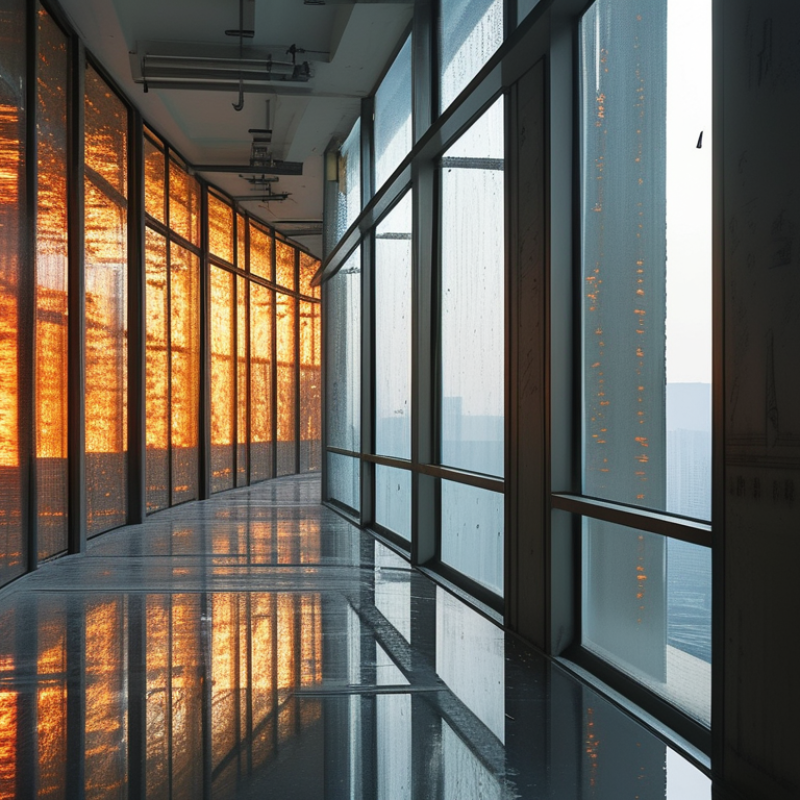
Fireproof glass is a crucial safety component in modern architecture. Its primary purpose is to prevent the spread of fire and smoke. The performance of fireproof glass is measured based on its fire resistance ratings, which are influenced by material composition and thickness. For instance, some types of fire-resistant glass can withstand temperatures exceeding 1,000°C for up to 120 minutes.
Standards set by organizations such as the National Fire Protection Association (NFPA) outline requirements for fireproof glass. According to the NFPA, fire-rated glass should be tested for integrity, insulation, and impact. Various tests determine how long glass holds up during a fire. Notably, the European classification system, EN 13501, also plays a pivotal role in establishing durability criteria for fireproof products.
Despite advances, challenges remain. The production of fire-resistant glass often involves complex processes. This can lead to variability in quality. Not all manufacturers meet standard specifications, which raises concerns about reliability. Therefore, it's essential to work with certified brands when selecting fireproof glass. Continuous improvements and adherence to regulations are necessary to ensure safety in building designs.
: Evaluate the manufacturer's reputation, product specifications, and safety certifications. Quality is crucial for safety.
Thicker glass generally provides better fire resistance. It can withstand higher temperatures longer than thinner options.
Correct installation ensures optimal safety and performance. Poor fitting can lead to compromised fire resistance.
Prolonged exposure to intense heat can weaken the glass. This degradation can reduce effectiveness during a fire.
Humidity and temperature changes can impact durability. Regular checks for damage are essential for safety.
Inspect regularly for cracks or discoloration. Professional assessments can help ensure continued performance and safety.
No, different materials have varying ratings. Understanding these differences is key to making informed choices.
It's widely used in commercial buildings and areas where fire risks are high, like kitchens in residential homes.
Damage can impact its performance. Regular maintenance can help identify issues before they become serious.
Yes, fire protection ratings vary among products. Always check certifications to ensure the glass meets necessary standards.
Fireproof glass is essential for ensuring safety and protection in various construction applications. With specific properties and standards, fireproof glass serves as a critical barrier against fire hazards. The longevity of fire protection in this type of glass is often questioned, leading to the critical inquiry: how long does the fire protection last in fireproof glass? Factors influencing its lifespan include the quality of materials, construction methods, and environmental conditions.
In addition to understanding the durability of fireproof glass, it is important to recognize its applications in both construction and safety features, where it plays a vital role in enhancing fire resistance. Regular maintenance and inspections can further maximize the longevity of fireproof glass, ensuring its effectiveness during critical moments. By being aware of these aspects, users can make informed decisions regarding the selection and upkeep of fireproof glass in their projects.
