 MGW Glass
MGW Glass
MGW Glass
China’s best smart glass is changing how buildings manage sunlight, heat, and visual comfort. Yet the technology is not magic. It is a carefully controlled optical system that responds to changing outdoor conditions.
The central question is: how does electrochromic glass control heat and glare automatically? The glass contains electrochromic layers that move ions when a small electrical voltage is applied. This process changes the glass from clear to tinted, reducing visible brightness and limiting solar heat entering the room. Sensors can measure sunlight, indoor temperature, and glare near windows. A building management system then adjusts the tint gradually, often without interrupting outside views.
The change is subtle.
On a bright afternoon, direct sunlight may create sharp reflections on a desk or computer screen. The glass can darken before the room becomes uncomfortable. During cooler weather, it may remain clearer and allow useful solar warmth inside. Dr. Stephen Selkowitz, a respected building-energy researcher, has explained that dynamic windows can manage solar heat gain and daylight while preserving views. This principle remains central to modern smart-glass design.
However, performance depends on more than the glass itself. Installation quality, sensor placement, climate, and control settings all matter. Electrochromic glass reduces glare and heat; it does not remove them completely. Tinting can also take several minutes, which may feel slow during rapidly changing weather. That limitation deserves attention.
This guide examines the materials, sensors, control logic, energy benefits, and practical limits behind China’s leading smart-glass solutions.
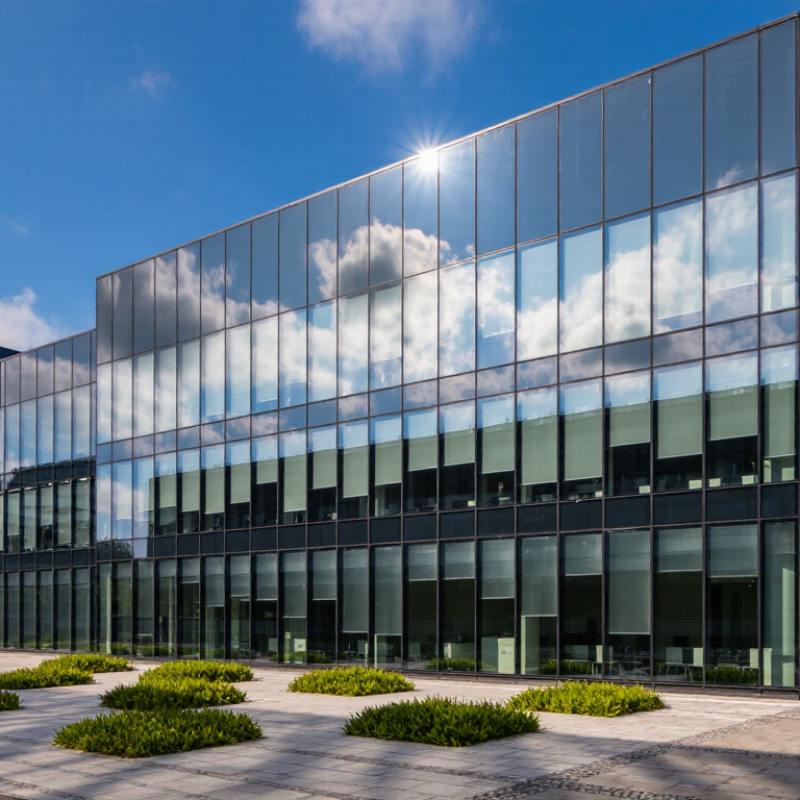
Smart glass is a glazing system that changes how much light passes through a window. Some versions use electrical signals to shift between clear, tinted, and translucent states. Others use heat or sunlight to trigger the change. The term “smart” can sound too ambitious. In practice, performance depends on glass type, window direction, climate, and control settings.
Heat and glare matter because sunlight is not only bright; it also carries energy. A clear south-facing window can warm a desk, fade fabrics, and increase cooling demand. Strong glare may make a screen difficult to read, even when indoor temperatures feel comfortable. Smart glass can reduce visible brightness and solar heat entering a room. However, tinting does not eliminate heat completely. The frame, glass coating, and air leakage still influence results.
A practical evaluation should measure sunlight at different times of day. Check the window at 9 a.m., noon, and late afternoon. Notice the floor temperature, screen reflections, and cooling response. Electrochromic glass usually changes gradually, while some systems switch more quickly but may offer different heat control. Controls also need careful calibration. If the glass darkens too late, glare remains; if it darkens too early, useful daylight may be lost. That trade-off deserves honest review. Even well-designed smart glass cannot replace shading, ventilation, or sensible building orientation.
| Glazing Type | How It Controls Heat | How It Controls Glare | Typical SHGC | Typical Visible Light Transmittance | Best-Suited Applications |
|---|---|---|---|---|---|
| Clear Double Glazing | The insulating air or argon cavity reduces conductive heat transfer, but most solar radiation still enters the space. | Provides little direct glare reduction; glare is mainly managed with blinds, shades, or external louvers. | 0.60–0.75 | 70%–80% | Low-cost projects and façades with limited solar exposure. |
| Low-E Double Glazing | A low-emissivity coating reflects long-wave infrared energy, helping retain indoor heat in winter and reduce unwanted heat transfer in summer. | Usually offers limited glare control unless combined with a solar-control coating or shading system. | 0.25–0.60 | 50%–75% | General commercial and residential buildings requiring improved insulation. |
| Tinted or Solar-Control Glass | Absorbs or reflects part of the sun’s energy before it reaches the interior, lowering solar heat gain. | Reduces brightness and contrast, but the tint is fixed and cannot respond to changing daylight conditions. | 0.25–0.55 | 20%–60% | Hot climates, façades with strong sun exposure, and buildings needing a consistent appearance. |
| Electrochromic Smart Glass | An electrical signal changes the optical state of the glass. Darker states generally reduce solar heat gain and daylight entering the room. | Automatically or manually darkens to reduce direct glare while maintaining a view and allowing useful daylight. | 0.09–0.45 | 3%–60% | Curtain-wall façades, offices, hospitals, airports, schools, and high-glare orientations. |
| Thermochromic Smart Glass | The optical layer changes with temperature, typically becoming more solar-selective as the glass heats up. | Provides passive glare reduction without motors or electrical switching, although the response is temperature-dependent. | Varies by design | Varies by design | Projects seeking passive solar-response features and reduced control complexity. |
| Reflective Smart or Dynamic Glazing | Reflective layers or adjustable optical elements send a portion of solar radiation back outdoors, limiting indoor heat gain. | Can substantially reduce glare, but excessive reflectance may affect exterior appearance and view quality. | 0.15–0.40 | 10%–50% | High-performance façades, sun-exposed elevations, and buildings with strict cooling-load targets. |
Smart glass changes how much light passes through a window. It may become clear, tinted, or translucent. Some systems use electricity, while others react to heat or sunlight.
Tinted glass admits less sunlight and infrared radiation. This can reduce solar heat entering a room. It does not remove heat completely. Frames, coatings, and air leaks still matter.
It can reduce bright reflections near windows. A darker setting may make screens easier to read. However, tinting too late leaves glare behind. Timing matters.
Check the window at 9 a.m., noon, and late afternoon. Look for floor warmth, screen reflections, and cooling changes. One quick visit is not enough.
Yes. A west-facing window may receive intense afternoon sunlight. A south-facing window can warm desks and fade nearby fabrics. North-facing windows usually create different daylight conditions.
It describes how much solar heat passes through glazing. Lower values indicate less solar heat transmission. The best value depends on climate, orientation, and building use.
No. Smart glass works best with shading, ventilation, and sensible orientation. It cannot solve every overheating problem. That assumption is too optimistic.
A badly calibrated sensor may darken the glass too early or too late. Early tinting can waste useful daylight. Late tinting leaves the room bright and warm. Controls need commissioning.
Smart glass is an advanced glazing solution designed to manage changing levels of sunlight, heat, and visual discomfort in buildings. By adjusting its light transmission, it can shift from clearer to darker states, helping control how much daylight enters a room. This makes interiors more comfortable while supporting privacy, reducing excessive brightness, and improving the use of natural light. A key question is: how does electrochromic glass control heat and glare automatically? It uses an electrically controlled tinting process that responds to sunlight, temperature, timers, or integrated building systems.
As the glass darkens, it can reduce solar heat gain and limit harsh reflections on screens, floors, and furniture. In softer daylight, it can remain lighter to preserve views and reduce the need for artificial lighting. When choosing the best smart glass from China, buyers should evaluate tinting speed, visible light performance, solar control, durability, energy efficiency, installation requirements, control compatibility, testing standards, and after-sales support. Careful comparison helps ensure the glass meets the project’s climate, comfort, and design goals.
