 MGW Glass
MGW Glass
MGW Glass
The adoption of solar glass in industrial warehouses is gaining traction as businesses seek sustainable energy solutions. According to a report by the Solar Energy Industries Association, solar installations have increased by over 20% annually. This rise prompts the question: what is the ROI for installing solar glass in industrial warehouses?
Experts in the field, like Dr. Emily Carter, have stated, “Investing in solar glass can significantly reduce energy costs and enhance building efficiency.” Her insights reflect a growing consensus on the financial incentives of this technology. Companies can save up to 30% on energy bills, translating to substantial annual savings.
However, ROI calculations often vary. Factors like installation costs, local energy prices, and available incentives complicate the analysis. Some businesses report long payback periods, which can be daunting. This complexity underscores the need for careful assessment. A clearer understanding of what is the ROI for installing solar glass in industrial warehouses can aid decision-making, showcasing both the benefits and the potential risks of such investments.
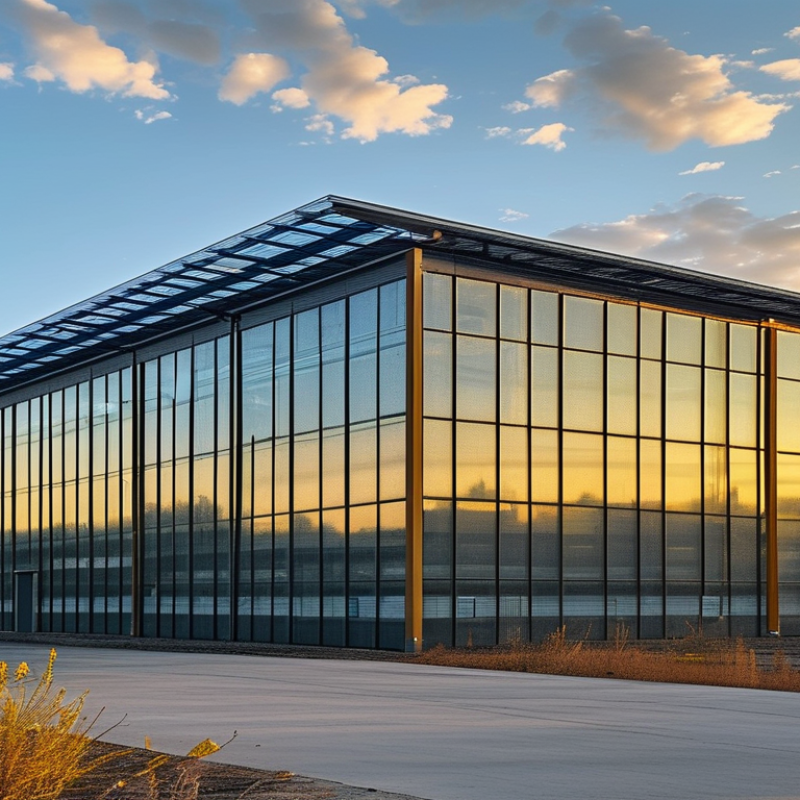
Understanding the return on investment (ROI) for solar glass in industrial warehouses is critical. ROI measures how effectively investment generates profit. According to the National Renewable Energy Laboratory, commercial solar installations yield an average ROI between 20% and 30%. This figure highlights the potential profitability of incorporating solar glass in industrial settings.
Investing in solar glass can lead to significant savings on energy costs. Industrial warehouses consume vast amounts of energy, often relying on non-renewable sources. A report by the U.S. Department of Energy indicated that replacing traditional glass with solar-integrated options can reduce energy costs by up to 40%. This shift not only lowers expenses but also aligns with sustainability goals.
However, calculating ROI is not straightforward. Factors like installation costs, maintenance, and local incentives vary significantly. For instance, incentives can reduce payback periods, yet these can change with government policies. A comprehensive analysis should consider specific operational needs and financial circumstances. This complex evaluation process calls for expert insights and local market understanding to ensure reliable ROI calculations.
: Businesses should compare initial expenses of solar glass with traditional materials to understand upfront investments.
Businesses can save an average of 75% on energy costs by utilizing solar technologies in their facilities.
Solar glass usually lasts over 25 years, providing significant long-term savings.
Regular cleaning and inspection are necessary to ensure the solar glass performs optimally and to maintain savings.
Market fluctuations in energy prices can impact ROI, varying by 10-20% annually, influencing projected savings.
Enhanced natural lighting can improve morale and focus, leading to reduced employee turnover and sickness rates.
Yes, upfront costs may seem high, causing hesitation, yet focusing on total long-term savings is crucial.
No, results can vary. Challenges like weather and installation costs may affect the anticipated ROI.
Companies should assess both direct financial benefits and indirect gains in employee productivity and well-being.
Yes, a life cycle assessment can reveal both environmental impacts and economic benefits of investing in solar glass.
This article delves into the crucial concept of ROI (Return on Investment) specifically for solar glass installations in industrial warehouses. Understanding what is the ROI for installing solar glass in industrial warehouses is essential for businesses considering this sustainable solution. The piece outlines key factors influencing ROI, including energy savings, maintenance costs, and initial investment, while providing a step-by-step guide to accurately calculate these returns.
Moreover, the article emphasizes the long-term benefits of solar glass, such as reduced energy expenses and enhanced property value, illustrated through various case studies showcasing successful outcomes. This comprehensive analysis helps industrial stakeholders make informed decisions about integrating solar glass technology, ultimately fostering a greener and more cost-effective operational strategy.
