MGW Glass MGW Glass

Why BIPV Systems Are the Future of Green Architecture?

Time:2026-06-07 Author:Sophia
0%

The growing significance of BIPV (Building-Integrated Photovoltaics) systems in green architecture cannot be overstated. Reports by the International Renewable Energy Agency (IRENA) show that the global solar energy market is projected to grow by over 20% annually. This surge raises the question: why are BIPV systems becoming a trend in green architecture? BIPV systems uniquely blend renewable energy technology into building designs, transforming structures into power-generating entities.

Moreover, a study from the National Renewable Energy Laboratory (NREL) indicates that buildings account for nearly 40% of global carbon emissions. BIPV serves as a solution, reducing this impact by generating clean energy on-site. These systems not only support sustainability but also enhance aesthetic appeal and property value. However, challenges remain, including higher initial costs and the need for more consumer education about their long-term benefits.

In cities where urban space is limited, BIPV emerges as a pivotal technology. It showcases how innovative design can meet energy needs while preserving environmental integrity. As we continue to explore the intersection of architecture and sustainability, the future of BIPV systems looks increasingly promising. Addressing the hurdles will be crucial for wider adoption and success.
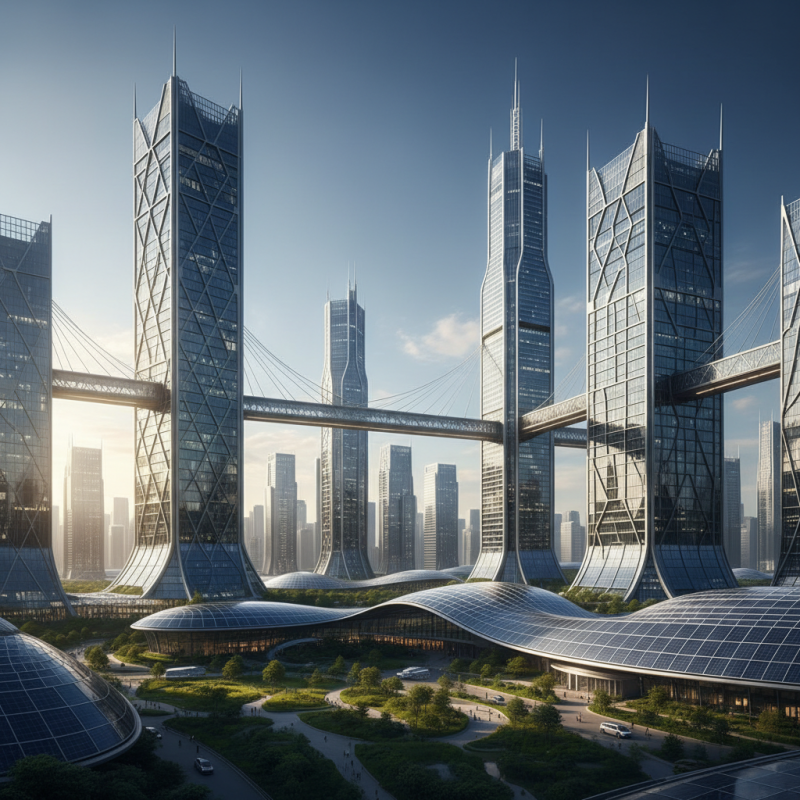
Why BIPV Systems Are the Future of Green Architecture?

The Definition and Functionality of BIPV Systems in Architecture

BIPV, or Building-Integrated Photovoltaics, is an innovative approach in green architecture. It integrates solar cells into building materials. This includes windows, roofs, and facades. According to a report by ResearchAndMarkets, the global BIPV market is expected to grow at a CAGR of 20.3% from 2021 to 2028. This statistic highlights increasing adoption of BIPV systems in various construction projects.

The functionality of BIPV systems extends beyond energy generation. They reduce the overall energy consumption of buildings. A study by the National Renewable Energy Laboratory noted that BIPV systems can account for up to 50% of a building's energy needs. These systems also provide natural lighting and insulation, improving indoor comfort. However, there are challenges. Initial costs can be high, and efficiency varies depending on materials used. These factors require careful consideration during the design phase.

BIPV solutions also take a holistic approach to sustainability. They blend renewable energy generation with aesthetic appeal. Designers face hurdles in balancing efficiency and visual design. Questions around durability and long-term performance remain. Developers must evaluate these aspects to ensure that BIPV meets both environmental and architectural standards. Integration of BIPV is still in its early stages, but its potential impacts are undeniably significant.

The Environmental Benefits of Integrating BIPV in Building Design

Building-integrated photovoltaic (BIPV) systems represent a pivotal shift in green architecture. These structures seamlessly combine solar energy generation with the building envelope, significantly enhancing energy efficiency. A report from the International Energy Agency states that BIPV can provide up to 50% of a building's energy needs, depending on its design and location. This innovative approach not only reduces reliance on fossil fuels but also minimizes the carbon footprint of construction projects.

Integrating BIPV into building designs offers substantial environmental benefits. According to a study by the U.S. Department of Energy, the deployment of BIPV could lead to a reduction of over 50 million tons of CO2 emissions annually by 2040. This is a remarkable opportunity to merge function with sustainability. However, this technology isn't devoid of challenges. Installation costs can be higher compared to traditional systems, and the efficiency may vary based on geographic and climatic conditions. It's essential to address these hurdles to fully realize the potential of BIPV in urban settings.

The versatility of BIPV also allows for innovative architectural designs. These solar solutions can be integrated into roofs, facades, and windows, enabling creativity while promoting energy efficiency. Nonetheless, careful planning is crucial. Designers must consider aspects like shading and orientation to maximize energy output. As we navigate the future of architecture, BIPV systems emerge as a strategic ally in the pursuit of sustainable living.

Economic Advantages of BIPV Technology for Sustainable Construction

Building-integrated photovoltaics (BIPV) represent a significant shift in how we approach sustainable construction. By integrating solar cells into building materials, BIPV systems generate energy while serving as structural components. This innovation creates a dual function that goes beyond traditional solar panels. Thus, architects and builders need to reconsider how buildings are designed and constructed.

The economic advantages of BIPV technology can be compelling. These systems reduce energy costs significantly over time. They can even increase property value by making buildings more energy-efficient. Additionally, BIPV installations may qualify for tax incentives or grants, which can help offset initial costs. However, upfront expenses can still deter some investors. It requires careful consideration of long-term savings versus short-term investment.

Demand for energy-efficient buildings is growing. As traditional energy costs rise, more developers are recognizing BIPV's potential. Many still struggle with price points or installation complexities, leading to hesitation. Addressing these issues is crucial for wider adoption. Overall, BIPV technology can be transformative for green architecture. However, it requires ongoing dialogue among stakeholders to refine and enhance its implementation.

Challenges and Innovations in the Implementation of BIPV Systems

BIPV (Building-Integrated Photovoltaics) systems present exciting opportunities for eco-friendly architecture. However, their implementation faces several challenges. One major issue is the initial cost. Integrating photovoltaic panels into buildings often requires significant investment. This cost can deter architects and builders from adopting BIPV technologies. Moreover, the return on investment may take years to materialize, which can be a tough sell for property developers.

Another obstacle is the technical complexity. BIPV systems need to be designed carefully to maximize efficiency while maintaining aesthetic appeal. This requires specialized knowledge. Many architects lack experience with BIPV integration, leading to potential design flaws. These flaws can result in reduced energy output or increased maintenance needs.

Additionally, regulatory frameworks might not support innovative designs. In many areas, building codes are outdated, making it hard to apply new technologies. Local regulations can restrict how BIPV systems can be installed, hindering their adoption. Despite these challenges, many innovators are constantly working to overcome these hurdles. Improved materials and advanced design methods show promise. Encouraging collaboration among architects, engineers, and regulators may offer solutions that drive the future of BIPV systems forward.

Why BIPV Systems Are the Future of Green Architecture? - Challenges and Innovations in the Implementation of BIPV Systems

Dimension Description Data Value
Efficiency Average energy conversion efficiency of BIPV 15-20%
Life Span Expected operational lifespan of BIPV systems 25-30 years
Initial Cost Typical installation cost per square meter $800 - $1,200
Carbon Reduction Estimated CO2 emissions reduction per year 2000 kg
Market Growth Projected annual growth rate of BIPV market 25% CAGR
Adoption Rate Percentage of new buildings incorporating BIPV 30% by 2030

Future Trends in BIPV Development and Their Impact on Urban Planning

Building-integrated photovoltaics (BIPV) are transforming urban spaces. These systems blend solar technology with building materials. This innovation can enhance aesthetics and energy efficiency. Cities are evolving with BIPV as a central component of sustainable design.

Future trends indicate that BIPV will grow significantly. Urban planners need to integrate these systems into new designs. This can create energy-efficient buildings that contribute to reduced carbon footprints. However, challenges remain. Not every building is suitable for BIPV. Consideration of structural integrity and local climate is essential.

**Tip:** Assess your building’s orientation before installation. Not all roofs support optimal solar gain. Construction costs can be high; evaluating return on investment is crucial. Collaboration among architects, engineers, and policymakers will ensure successful BIPV adoption. Urban environments can become greener and more sustainable with thoughtful planning.

FAQS

: What is BIPV?

: BIPV stands for Building-Integrated Photovoltaics. It integrates solar cells into building materials like roofs and facades.

How does BIPV affect energy consumption?

BIPV can account for up to 50% of a building's energy needs. This dramatically reduces overall energy consumption.

What are some benefits of using BIPV?

BIPV enhances energy efficiency, reduces carbon footprint, and provides natural lighting and insulation for indoor comfort.

Are there challenges to implementing BIPV systems?

Yes, initial costs can be high. Additionally, efficiency varies based on materials and specific climatic conditions.

How does BIPV contribute to sustainability?

BIPV merges energy generation with aesthetics. It reduces reliance on fossil fuels and aims to lower carbon emissions.

What technical knowledge is needed for BIPV design?

Specialized knowledge is required for efficient and visually appealing designs. Lack of experience can lead to design flaws.

How do local regulations affect BIPV adoption?

Outdated building codes can restrict BIPV installations. These regulations may hinder the use of innovative designs.

Is the return on investment for BIPV immediate?

No, returns can take years to materialize. This delayed ROI may deter property developers from investing in BIPV.

What planning is necessary for BIPV systems?

Designers must consider shading, orientation, and material choice. These factors impact energy output and building design.

Can BIPV be innovatively designed?

Yes, BIPV allows for creative architectural solutions in roofs, windows, and facades. However, careful planning is essential.

Conclusion

BIPV (Building-Integrated Photovoltaics) systems are increasingly recognized as a pivotal element of green architecture due to their dual functionality of energy production and integration within building designs. These systems not only enhance the aesthetic value of structures but also contribute significantly to environmental sustainability by reducing carbon footprints and promoting renewable energy use. As concerns around climate change grow, the environmental advantages of BIPV become a compelling reason, underscoring why BIPV systems are becoming a trend in green architecture.

Economically, BIPV technology presents a viable solution for sustainable construction by lowering energy costs and increasing property value, despite some initial installation challenges. Innovations in this field continue to evolve, paving the way for broader adoption and integration of these systems in urban planning. The future trends in BIPV development promise to reshape our cities by creating smarter and more sustainable living environments, solidifying their role in the future of architecture.

Sophia

Sophia

Sophia is a dedicated marketing professional with an exceptional depth of knowledge about her company's products and services. With a keen understanding of market trends and customer needs, she crafts insightful blog posts that not only inform but also engage readers, enriching the company’s online......