MGW Glass
In recent years, the demand for spider glass wall systems has surged dramatically. A recent market report indicates that the architectural glass market is projected to reach $225 billion by 2026, driven by the rise in modern architectural designs. This trend highlights the importance of understanding how to maximize performance and aesthetics in installation. When considering what is the best way to install a spider glass wall system, several factors come into play.
Proper installation is crucial for both safety and functionality. Flawed installation can lead to structural weaknesses or aesthetic issues. Many installers emphasize precision and the use of high-quality materials. Furthermore, industry data suggest that installations that adhere to manufacturer guidelines show a 30% increase in longevity.
However, not all projects achieve these benchmarks. Some installations fall short due to a lack of experience or inadequate planning. Reflecting on past projects can provide valuable lessons. Addressing these challenges will lead to better practices and standards within the industry. For architects and builders, understanding installation methods not only enhances project quality but also sets a precedent for excellence in design.
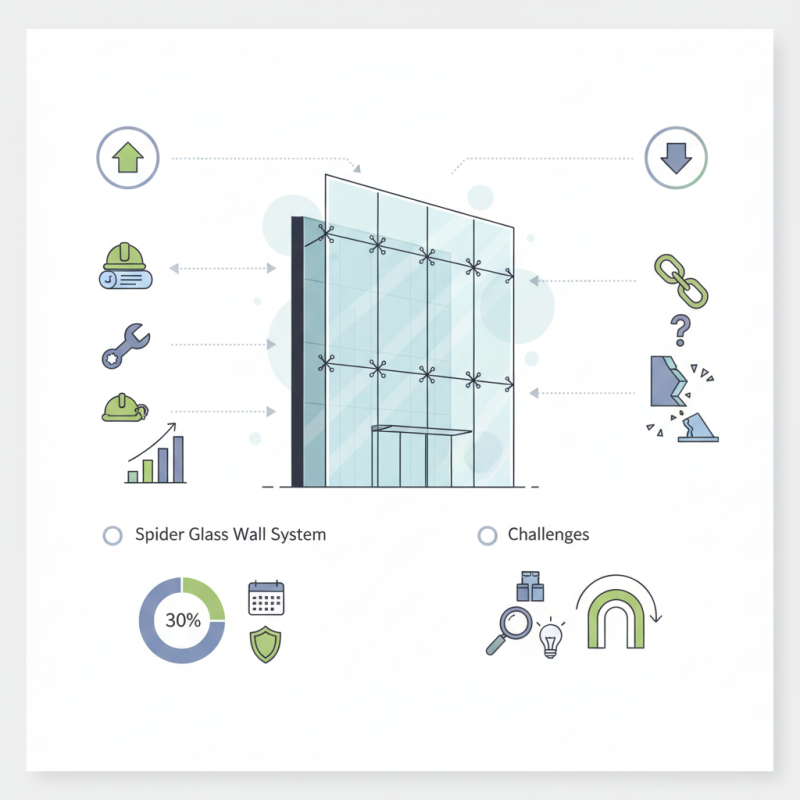
Spider glass wall systems have become increasingly popular in China. They blend aesthetics with functionality. These systems use glass panels supported by spider fittings, creating stunning architectural designs. They are ideal for commercial buildings and upscale residences. The transparency of glass allows natural light to flood spaces, enhancing interior environments.
Installation requires precision and expertise. It is crucial to assess structural integrity and load-bearing capacities. Without proper evaluation, issues may arise. Calibrating the fittings is an intricate process. It ensures safety and stability of the installation. Even minor misalignments can lead to significant problems later.
Finding skilled technicians is essential. Experience matters in this field. A lack of professionalism can lead to costly mistakes. Regular maintenance checks improve longevity. Possible weathering effects on the installation must be monitored. Reflecting on these factors can lead to better practices in the future.
Installing a spider glass wall system requires careful planning and adherence to pre-installation requirements. Proper preparation ensures durability and safety. According to recent industry reports, over 25% of issues in glass installations arise from inadequate pre-installation steps.
Before installation, inspect the structural integrity of the supporting walls. They must bear the weight of the glass and fittings. Any weakness in the framework can lead to serious mishaps. It's crucial to comply with local building regulations. Failing to do so can result in costly modifications and potential safety hazards. Ensuring precise measurements is non-negotiable. An error of just a few millimeters can jeopardize the entire installation.
Tips:
Always double-check your measurements. A small discrepancy can lead to major issues later. Use high-quality seals and fittings to enhance durability. Regular maintenance inspections can prevent future problems. Remember, no installation is perfect. Be open to refining your methods and addressing potential issues early.
Installing a spider glass wall system requires careful planning. Begin by ensuring that your workspace is clean and free of debris. Measure the area where the wall will be installed. Consistency in measurement is crucial; even a small error can lead to misalignment.
Pre-assemble the spider fittings and ensure all parts are present. For best results, use a level to confirm vertical alignment before securing the panels. It’s important to work with a partner. This makes handling the large glass panels easier. Take your time with each step to avoid mistakes that can be costly.
As you install, regularly check for any gaps between the glass and fittings. Adjust as needed before finalizing the installation. Proper sealing is vital to enhance durability. Double-check each connection to ensure stability. Missing a step can lead to future issues, so thoroughness is key in this process.
| Step Number | Installation Step | Description | Estimated Duration |
|---|---|---|---|
| 1 | Prepare Site | Ensure the installation site is clean and free from debris. | 1 hour |
| 2 | Measure & Mark | Accurately measure and mark positions for brackets and mounting points. | 2 hours |
| 3 | Install Brackets | Secure the mounting brackets to the wall as per specifications. | 2 hours |
| 4 | Lift Glass Panels | Carefully lift and position the glass panels onto the brackets. | 3 hours |
| 5 | Seal Edges | Apply sealant around the edges of the glass panels to prevent leaks. | 1 hour |
| 6 | Final Inspection | Conduct a thorough inspection to ensure everything is securely installed. | 30 minutes |
Installing a spider glass wall system can present various challenges. One common issue is alignment during installation. Accurate placement is vital for a seamless look. A misalignment can lead to uneven spacing, affecting the overall aesthetics. According to a recent industry report, nearly 40% of installation failures stem from poor alignment and measurement. Ensuring the use of laser levels can mitigate this risk significantly.
Another challenge often encountered is the sealing of joints. Improper sealing can lead to leaks and water infiltration. This issue is critical, especially in regions with high rainfall. Industry data indicates that robust sealant application can reduce leakage incidents by up to 60%. Training installers on the right application techniques is essential for a successful installation.
Additionally, glass weight management poses a risk during installation. Heavy panels require careful handling to avoid accidents. An estimated 25% of project delays arise from mishandling glass panels. Safety measures such as using lifting equipment can help address this issue. Keeping these challenges in mind can lead to smoother installation processes, ultimately reflecting in improved project timelines and reduced costs.
When installing a spider glass wall system, maintenance is crucial for longevity and performance. Regular cleaning of the glass panels is essential. Use a soft cloth and a gentle glass cleaner to avoid scratches. Don’t forget to inspect the seals and fittings periodically. They can wear out over time and may need replacement.
Tips:
1. Clean your glass panels weekly to prevent grime buildup.
2. Check the structural integrity of the support system every six months.
Environmental factors can impact the system too. High winds and heavy rains may loosen fittings. Address any signs of wear immediately. Always consult a professional if you're uncertain about maintenance needs. Keeping an eye on these details can save you from costly repairs later. Minor issues can lead to bigger problems if ignored.
Think about the aesthetics as well. Smudges or streaks can dull the appearance of your wall. Regular maintenance keeps it looking pristine. It reflects professionalism and care for your space.
: They are architectural systems using glass panels supported by fittings, merging beauty with functionality.
An accurate installation ensures safety and prevents issues later. Misalignments can cause major problems.
Misalignments can create uneven spacing, diminishing overall aesthetics. Nearly 40% of failures arise from this issue.
Regular cleaning and inspections of seals and fittings are necessary. This helps in prolonging system lifespan.
It is recommended to clean them weekly to avoid grime buildup and maintain appearance.
Heavy panels need careful handling to prevent accidents. Improper management can lead to project delays.
Proper sealing is vital to prevent leaks. Training installers on techniques is essential for success.
It's advisable to inspect the support system every six months for any signs of wear or issues.
High winds and heavy rain can loosen fittings, making regular inspections critical for performance.
Regular care prevents smudges and streaks, keeping the system looking professional and visually appealing.
The article "China Best Way to Install Spider Glass Wall System?" provides a comprehensive overview of spider glass wall systems in China, highlighting their aesthetic appeal and structural benefits. An essential focus is on answering the question, "what is the best way to install a spider glass wall system?" This includes a detailed examination of pre-installation requirements, which are crucial for ensuring a successful installation.
The installation process is broken down into clear, step-by-step instructions, addressing common challenges faced during installation and offering practical solutions. Finally, the article emphasizes the importance of regular maintenance for spider glass wall systems to preserve their functionality and appearance. Overall, this resource serves as a valuable guide for anyone looking to install spider glass walls effectively in a Chinese context.
