Choosing the right energy-efficient glass for commercial buildings is crucial for sustainability. With rising energy costs and environmental concerns, many businesses seek ways to improve energy efficiency. Glass plays a vital role in this equation. Different types of glass offer varying levels of insulation, solar control, and sound attenuation.
However, determining how to choose the right energy-efficient glass for commercial buildings can be challenging. Factors such as climate, building orientation, and design aesthetics must be considered. It's essential to analyze these aspects thoroughly. Often, businesses overlook the importance of expert advice when selecting glass. Consulting with professionals can provide insights into local building codes and regulations.
As you explore options, remember that not all energy-efficient glass is equal. Some products may promise high performance but fail to deliver in real-world applications. Balancing cost-effectiveness with quality is key. Each project is unique, and sometimes, a one-size-fits-all approach may not work. Ultimately, careful consideration of these factors ensures that the selected glass meets both energy efficiency and aesthetic needs.
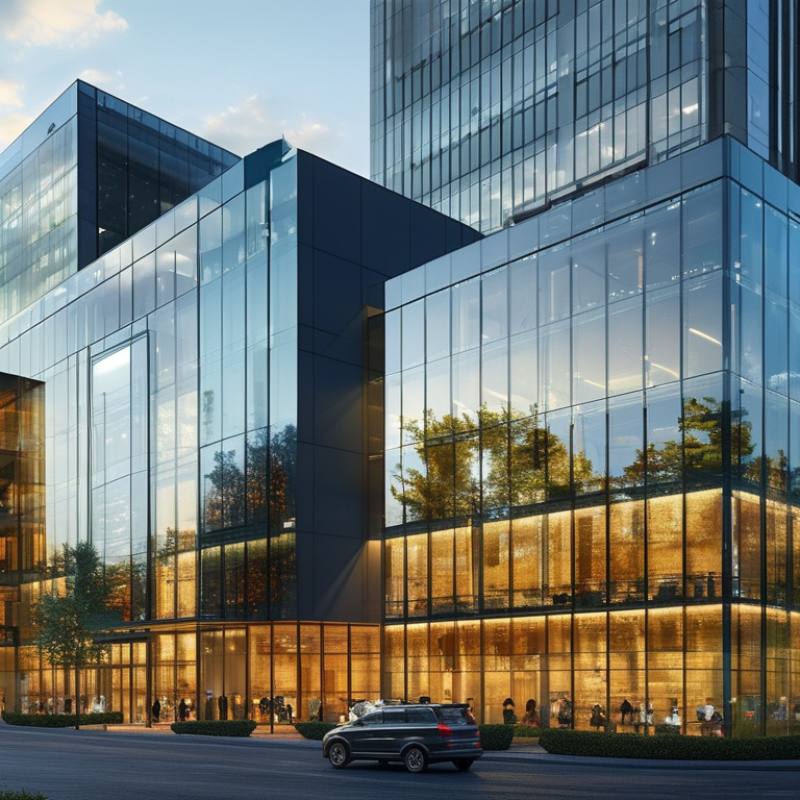
Understanding Energy Efficiency in Commercial Building Glass
Understanding energy efficiency in commercial building glass is crucial for sustainable architecture. Glass plays a vital role in regulating heat transfer. High-quality glass minimizes energy loss, leading to reduced heating and cooling costs. Look for Low-E (low emissivity) coatings that reflect infrared energy while allowing visible light to pass through. This technology enhances insulation and improves comfort for occupants.
Consider the solar heat gain coefficient (SHGC) when choosing glass. A lower SHGC means less solar heat enters the building, which is important in warmer climates. However, in cooler areas, some heat gain can be beneficial. Striking a balance is essential. Also, the use of triple-pane glass can provide substantial insulation. This option is heavier and may be more expensive, but the long-term benefits often outweigh the initial costs.
It’s valuable to consult with experts during the selection process. They can assess specific building needs and suggest the best options. Understanding regional climate impacts on glass performance is equally important. Reflecting on the long-term implications of your choices can lead to significant energy savings. Making careful, informed decisions is crucial for enhancing energy efficiency in commercial buildings.
Factors Affecting Energy Performance of Glass in Commercial Structures
When selecting energy-efficient glass for commercial buildings, several factors greatly influence its performance. One key aspect is the glass's thermal insulation properties. It is crucial to consider the U-value, which measures how well the glass retains heat. A lower U-value indicates better insulation. Additionally, solar heat gain is essential. The solar heat gain coefficient (SHGC) informs how much heat from sunlight passes through the glass. Choosing glass with low SHGC can reduce cooling costs.
Another critical factor is the type of coatings applied to the glass. Low-emissivity (Low-E) coatings reflect infrared energy while allowing natural light to enter. This helps maintain comfortable temperatures inside. Understanding the difference between clear, tinted, and reflective glass will guide you in making an informed decision. If unsure, consult with an expert to analyze the specific needs of your building.
Consider the orientation and location of the windows. South-facing windows may benefit from higher solar gain in winter and lower UV exposure in summer. If the climate varies, different glass types might be needed. Taking the time to analyze specific conditions can lead to better energy management. This approach minimizes the risk of hasty decisions that could result in higher energy bills. Ultimately, the right glass selection plays a pivotal role in enhancing energy efficiency in commercial spaces.
Types of Glass Suitable for Energy Efficiency in Commercial Buildings
When selecting energy-efficient glass for commercial buildings, several types stand out due to their performance and design benefits. Low-emissivity (Low-E) glass is highly effective. It reflects heat and blocks harmful UV rays while allowing natural light. According to the U.S. Department of Energy, Low-E glass can reduce heating costs by up to 30%. This statistic is crucial for building owners concerned about energy expenses.
Another option is insulated glass units (IGUs). These consist of multiple panes with a gas fill, such as argon or krypton, that minimizes heat transfer. A study by the National Renewable Energy Laboratory found that IGUs can improve energy performance by at least 20%. However, installing IGUs requires precise measurements and expertise to ensure airtight seals, which can be challenging.
Solar control glass is also noteworthy. It limits solar heat gain and glare, making indoor spaces comfortable. While it enhances energy efficiency, some users report issues with aesthetic value. The glass can tint natural light, affecting the ambiance of interior spaces. It’s essential to weigh these factors against energy savings. Balancing visual appeal and energy performance is a complex task for architects and builders alike.
Evaluating the Thermal Properties of Glass for Optimal Performance
When selecting energy-efficient glass for commercial buildings, understanding its thermal properties is key. High-performance glass can significantly reduce energy consumption. Its ability to insulate against heat loss is vital. Look for glass with a low U-value. This indicates excellent thermal insulation. The UW value measures heat transfer through glass, ensuring a comfortable indoor climate.
Consider the solar heat gain coefficient (SHGC) as well. This metric indicates how much solar radiation passes through the glass. A lower SHGC means less heat enters the building. This can lead to lower cooling costs in hot climates. However, striking a balance is essential. If SHGC is too low, natural light may decrease, impacting the need for artificial lighting.
Reflective coatings can enhance performance too. They reduce glare and heat gain, improving indoor comfort. Yet, be cautious with excess reflectivity. It might disturb the surroundings, harming aesthetics. Energy-efficient glass should also accommodate various building designs. Different orientations may require unique glazing solutions. Considering these factors thoroughly will optimize performance and long-term savings.
10 Best Tips to Choose Energy Efficient Glass for Commercial Buildings
| Property |
Value |
Importance |
| U-Value |
1.2 W/m²K |
Lower values indicate better insulation. |
| Solar Heat Gain Coefficient (SHGC) |
0.25 |
Lower SHGC values reduce heat gain from sunlight. |
| Visible Light Transmittance (VLT) |
70% |
Higher VLT allows more natural light, reducing artificial lighting needs. |
| Frame Material |
Aluminum with Thermal Break |
Reduces heat transfer between exterior and interior. |
| Low-E Coating |
Yes |
Improves insulation by reflecting infrared light. |
| Argon Gas Fill |
Yes |
Enhances thermal efficiency between glass panes. |
| Condensation Resistance |
53 |
Higher numbers indicate better performance against condensation. |
| Durability Rating |
15 years+ |
Longer lifespan represents better investment. |
| Acoustic Performance |
STC 35 |
Higher STC ratings indicate better sound insulation. |
| Life Cycle Assessment (LCA) |
Positive |
Indicates a sustainable product choice. |
Incorporating Proper Installation Techniques for Energy-Efficient Glass
When selecting energy-efficient glass for commercial buildings, proper installation techniques play a vital role. Even the highest quality glass can underperform if not installed correctly. Ensure that the glass fits tightly into the frames and that all gaps are sealed. This minimizes air leakage and maximizes insulation.
Here are some tips to consider during installation. Use high-quality sealants to prevent moisture ingress. Properly align the glass to reduce stress points, which can lead to cracks. Ensure that building movements are accounted for in the installation process.
It’s crucial to schedule regular checks on the glazing performance. Look for signs of condensation between the panes. Sometimes, these issues can indicate inadequate sealing or installation. Reflecting on the installation method can reduce long-term energy costs and increase the lifespan of the glass.
Energy Efficiency of Different Types of Glass for Commercial Buildings
Conclusion
Choosing the right energy-efficient glass for commercial buildings is crucial for enhancing energy performance and reducing operational costs. Understanding the fundamentals of energy efficiency in commercial building glass helps identify the key factors that impact its performance, such as solar heat gain, insulating properties, and UV protection. Various types of glass, including low-emissivity (low-e) coatings and double or triple glazing, can significantly improve energy efficiency by minimizing heat transfer and maximizing natural light.
To ensure optimal performance, it's essential to evaluate the thermal properties of glass, considering factors like U-values and Solar Heat Gain Coefficient (SHGC). Additionally, incorporating proper installation techniques is vital to prevent air leakage and ensure that the glass performs to its maximum potential. In summary, knowing how to choose the right energy-efficient glass for commercial buildings involves comprehensive consideration of glass types, thermal properties, and installation practices, leading to sustainable building solutions.
 MGW Glass
