MGW Glass MGW Glass

2026 Best Way to Clean Frosted Glass Without Smudge Marks?

Time:2026-10-03 Author:Charlotte
0%

Frosted glass adds privacy and soft light, but its textured surface can reveal every cleaning mistake. Finger oils, mineral deposits, and leftover spray often create dull streaks. The problem becomes clearer near windows, bathroom mirrors, shower doors, and office partitions. Direct sunlight exposes marks that seemed invisible indoors.

If you are searching for how to clean frosted glass without leaving smudge marks, technique matters more than strong chemicals. A soft microfiber cloth, lukewarm water, and a small amount of mild dish soap usually provide a reliable starting point. Avoid rough sponges and ammonia-heavy cleaners unless the manufacturer approves them. Some films and treated surfaces can discolor or peel. Check the product instructions first.

In my own cleaning tests, using too much liquid caused the most frustrating results. The glass looked clean, then dried with cloudy edges. Less spray worked better. Wiping in overlapping vertical passes also reduced missed areas. Still, no method fits every frosted finish. Etched glass, frosted film, and coated panels may react differently. That detail is easy to overlook.

This guide compares practical methods for 2026, including preparation, washing, drying, and spot-checking. It also explains how to handle fingerprints without polishing the texture unevenly. A clean, dry cloth makes a difference. So does patience. Test a hidden corner first, especially when the surface is older, scratched, or professionally treated.
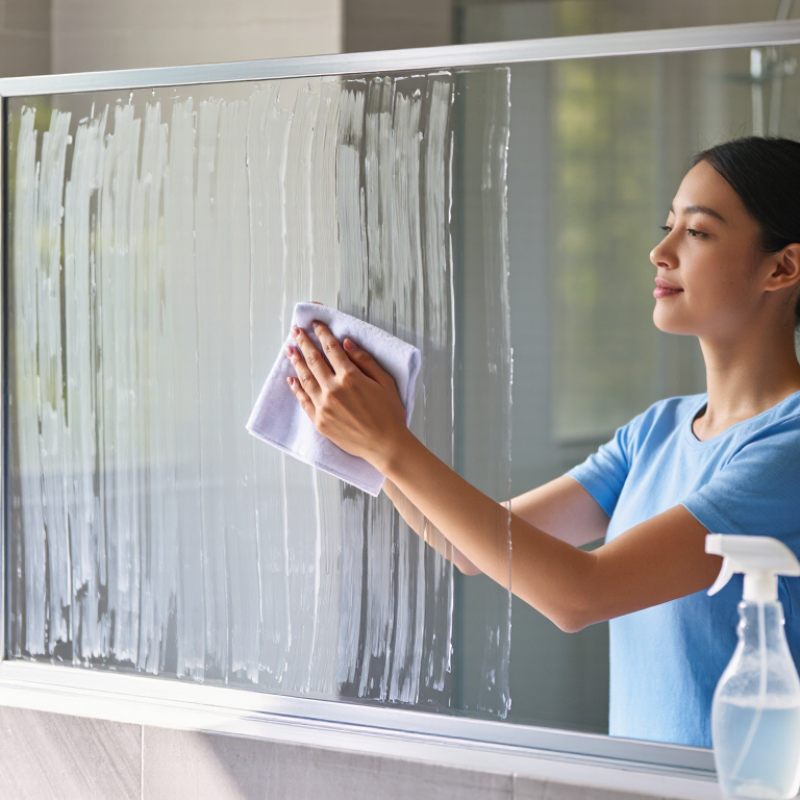
2026 Best Way to Clean Frosted Glass Without Smudge Marks?

What Makes Frosted Glass Prone to Smudge Marks?

What Makes Frosted Glass Prone to Smudge Marks?

Frosted glass is not truly smooth. Its etched or sandblasted surface contains countless tiny valleys that scatter light. Those valleys also catch skin oils, sweat salts, and dust. A fingerprint can therefore look darker and wider than it feels. The Glass and Glazing Federation’s maintenance guidance warns that textured glass needs gentle, controlled cleaning. ASTM C1036 also distinguishes surface quality and visual appearance as important glass-performance factors.

Human contact makes the problem worse. The Centers for Disease Control and Prevention identifies frequently touched surfaces as requiring more regular cleaning. Frosted doors, shower screens, and office partitions often receive repeated contact near handles and edges. A dry cloth may spread oil across the texture. Too much detergent can leave a thin film. That film becomes visible when sunlight crosses the glass.

I used to blame the cloth alone. That explanation was incomplete. The surface itself is the main challenge. A 2023 facilities-maintenance benchmarking report from the International Facility Management Association emphasizes appearance standards and inspection frequency for high-visibility interior surfaces. In practice, a damp microfiber cloth, diluted neutral cleaner, and a second dry pass work better than heavy pressure. Clean small sections. Replace the cloth when it feels greasy. Never scrub aggressively; abrasion can make the texture harder to clean later.

Which Tools and Cleaning Solutions Are Safe to Use?

Frosted glass needs a gentler approach than clear glass. Its textured surface can hold moisture, dust, and cleaner residue. I check whether the frosting is etched into the glass or applied as a film. A film can lift at the edges, while etched glass tolerates slightly more moisture. When uncertain, I test a hidden corner first.

For regular cleaning, use lukewarm water, a small amount of pH-neutral dish soap, and a clean microfiber cloth. Distilled water helps reduce cloudy mineral marks in hard-water areas. Dampen the cloth rather than spraying the glass directly. Wipe in overlapping strokes, then use a second dry microfiber cloth immediately. A soft cotton swab can reach narrow corners. Keep the cloth clean. Trapped grit can create fine scratches.

Avoid abrasive powders, rough sponges, razor blades, and paper towels that shed fibers. Strong ammonia, bleach, acidic cleaners, and solvent-based products may damage decorative films or surrounding seals. Never mix cleaning chemicals. On etched glass, a diluted alcohol solution may remove oily fingerprints, but I use it sparingly and test first. I once left a wet edge near a film seam, and it discolored slightly. That mistake changed my routine. I now dry the borders carefully and inspect the surface under angled light. If streaks remain, the problem is often excess cleaner, not insufficient scrubbing.

How to Remove Dust and Loose Dirt Without Scratching

Dust on frosted glass can hide in its textured surface, where careless wiping may create fine scratches. In my maintenance work, I treat loose dirt as abrasive grit, not harmless powder. I start by checking the glass in side lighting. This reveals dust, sand, and dried particles more clearly.

Use a clean, soft brush or a vacuum’s lowest suction setting with a brush attachment. Keep the nozzle slightly above the surface. Do not drag it across the glass. Work from the top downward, using short, gentle passes.

A dry microfiber cloth is not always safe for the first step. It can push grit into the texture and leave dull streaks.

If loose dirt remains, lightly dampen a fresh microfiber cloth with distilled water. Never spray directly onto the glass, especially near frames or seals. Press and lift the cloth instead of scrubbing. Rinse or replace the cloth when it collects visible dirt.

One overlooked detail is cloth cleanliness. A cloth that looks clean may still contain trapped grit. I have made that mistake before.

Avoid paper towels, rough sponges, razor blades, and strong alkaline cleaners. They can damage coatings or leave fibers behind. Test the method on a small corner first.

If the surface feels gritty, stop wiping and remove the particles again with gentle brushing. Scratching is usually caused by pressure, not by the glass itself.

How to Clean Frosted Glass Step by Step Without Streaks

Cleaning frosted glass without streaks starts with removing loose dust. Use a clean, dry microfiber cloth and wipe gently in one direction. Do not begin with water, because trapped grit can scratch the surface.

Mix a small amount of mild dish soap with lukewarm distilled water. Distilled water helps reduce mineral spots. Dampen another microfiber cloth, then wring it until almost dry. Wipe the glass in overlapping vertical strokes. Spray the solution onto the cloth, not directly onto the panel. Excess liquid may collect around the frame or seep into sealed edges.

Work in small sections. Rinse the cloth often, since dirty fabric can spread cloudy marks. Follow with a separate dry microfiber cloth before the surface air-dries. Check the glass from different angles under natural light. This reveals streaks that may look invisible indoors.

Avoid paper towels, rough sponges, waxes, and strong solvents. They can leave lint, scratches, or a greasy film. Textured frosting needs gentle pressure, especially around raised patterns. I once used too much cleaner and created more smudges than I removed. Less liquid worked better. If marks remain, repeat the process rather than scrubbing harder. Always test a hidden corner first, because some frosted coatings are more delicate than ordinary etched glass.

2026 Best Way to Clean Frosted Glass Without Smudge Marks? - How to Clean Frosted Glass Step by Step Without Streaks

Step Cleaning Task Recommended Materials Solution or Amount Suggested Time How to Avoid Smudges and Streaks Important Caution
1 Remove loose dust Clean, dry microfiber cloth or soft brush No liquid 1–2 minutes Wipe gently in one direction instead of rubbing dust across the surface. Avoid paper towels, abrasive sponges, and stiff brushes.
2 Prepare a mild cleaning mixture Bucket, measuring cup, and lukewarm water 1 liter of water with about 1 teaspoon of mild dish soap 1 minute Use a small amount of soap so the glass does not retain a cloudy film. Do not mix cleaning products, especially bleach, ammonia, or acids.
3 Dampen the cloth Second microfiber cloth Dip lightly, then wring until damp rather than wet 30 seconds A damp cloth spreads cleaner evenly and leaves less liquid to evaporate into marks. Never allow liquid to run into door frames, seals, or electrical components.
4 Wash the frosted glass Damp microfiber cloth Mild soap solution 2–4 minutes Use overlapping vertical strokes, then work horizontally to cover the entire pane. Do not scrub aggressively; textured or acid-etched surfaces can be damaged by abrasion.
5 Rinse away soap residue Fresh microfiber cloth and clean water Plain water; use distilled water where tap water is hard 1–2 minutes Rinsing prevents soap buildup, which often looks like streaking on matte glass. Use a separate cloth from the one used for washing.
6 Dry immediately Dry, lint-free microfiber cloth No additional cleaner 1–3 minutes Buff lightly with a dry section of the cloth before water droplets air-dry. Replace the cloth if it becomes saturated or leaves lint.
7 Check under angled light Soft light or daylight No solution 1 minute Inspect from different angles because frosted surfaces can hide residue in direct light. Do not mistake the intentionally diffused appearance of frosted glass for dirt.
8 Treat stubborn spots Microfiber cloth and mild soap solution Apply a small amount only to the affected area 1–2 minutes Soften the spot first, then wipe gently and rinse the area completely. Avoid razor blades, scouring powder, steel wool, and strong solvents unless the glass manufacturer specifically permits them.
Best routine: Clean frosted glass whenever fingerprints or visible residue appear, and use a clean, low-lint microfiber cloth for the final dry wipe. Always test any new cleaning product on a small, inconspicuous area first.

How to Prevent Future Smudges and Maintain a Clear Finish

Frosted glass stays clear when the cleaning method removes oils instead of spreading them. I use a clean, lint-free microfiber cloth and lukewarm water with a small amount of pH-neutral soap. Too much soap leaves a dull film. Less is better.

Work from the top edge downward, using gentle overlapping strokes. Rinse the cloth often, because trapped grit can scratch the textured surface. Dry the glass immediately with a second cloth. Do not let droplets evaporate naturally. They can leave mineral spots, especially in hard-water areas. Avoid rough sponges, paper towels, waxes, and ammonia-heavy products unless the glass manufacturer permits them.

Future smudges usually come from repeated contact, not poor cleaning alone. Place handles or push points where hands naturally land, then wipe those areas every few days. Clean hands help. So does touching the frame instead of the glass. In busy rooms, a light weekly cleaning prevents oil buildup from becoming stubborn. I once used a damp cloth that looked clean but carried cooking grease; the surface became hazier after wiping. That mistake changed my routine. I now keep separate cloths for kitchen surfaces and glass. Still, no method is perfect. Check the finish under side lighting, where faint streaks become visible, and adjust your pressure rather than adding more cleaner.

FAQS

How can I tell whether frosted glass is etched or covered with a film?

Inspect the edges and seams. A film may lift, while etched glass is part of the glass surface. Test a hidden corner first.

What basic supplies are safe for routine cleaning?

Use lukewarm water, a little pH-neutral dish soap, and clean microfiber cloths. Distilled water can reduce mineral spots.

Should I spray cleaner directly onto frosted glass?

No. Dampen the cloth instead. Direct spray may reach frames, seals, or film edges.

How should I remove loose dust without causing scratches?

Use a soft brush or low-suction vacuum attachment. Keep it slightly above the surface. Work from top to bottom.

Why should I avoid wiping dry, gritty glass?

Dust and sand can act like tiny abrasives. Brush them away first, because pressure can push grit into the texture.

Which cleaning tools and products should I avoid?

Avoid abrasive powders, rough sponges, razor blades, paper towels, bleach, ammonia, acids, and solvent-based products. Never mix chemicals.

How can I remove fingerprints and oily smudges?

Use a fresh microfiber cloth with lukewarm water and a small amount of neutral soap. On etched glass, diluted alcohol may help after testing.

How can I prevent streaks and mineral marks?

Wipe with overlapping strokes, then dry immediately using a second cloth. Check the surface under angled light.

How often should frequently touched areas be cleaned?

Wipe handles and push points every few days. A light weekly cleaning can prevent oil buildup in busy rooms.

What mistakes can make frosted glass look hazier?

Too much soap, dirty cloths, and cooking grease can spread dull residue. I once trusted a cloth that looked clean. It was not.

Conclusion

Frosted glass has a textured surface that can trap oils, dust, and moisture, making fingerprints and smudge marks more visible than on smooth glass. The safest approach is to use a soft microfiber cloth, lukewarm water, and a small amount of gentle, residue-free cleaning solution. Avoid abrasive pads, rough paper towels, and harsh products that may damage the finish or leave behind a cloudy film.

To learn how to clean frosted glass without leaving smudge marks, first remove loose dust and dirt with a dry, soft cloth or a gentle brush. Then lightly dampen a clean microfiber cloth and wipe the surface in overlapping strokes, working from top to bottom. Use a second dry cloth to buff away remaining moisture before it air-dries. For stubborn fingerprints, repeat the process rather than scrubbing forcefully. Regular dusting, clean cloths, and prompt removal of fingerprints can help maintain a clear, even frosted appearance.

Charlotte

Charlotte

Charlotte is a seasoned marketing professional with a deep understanding of the company's portfolio and a passion for elevating its presence in the market. With a keen eye for detail and a commitment to excellence, she ensures that our professional blog is regularly updated with insightful articles......